Histamine H1 Receptor
Histamine H1 receptors are Gα q/11-protein-coupled receptors that mediate allergic responses. These receptors are expressed in a wide variety of tissues including the gastrointestinal tract, CNS, airway and vascular smooth muscle cells and endothelial cells.
Products for Histamine H1 Receptor
- Cat.No. Product Name Information/Activity
-
BCC4530
Histamine 2HCl
Histamine dihydrochloride is an endogenous metabolite.

-
BCC6736
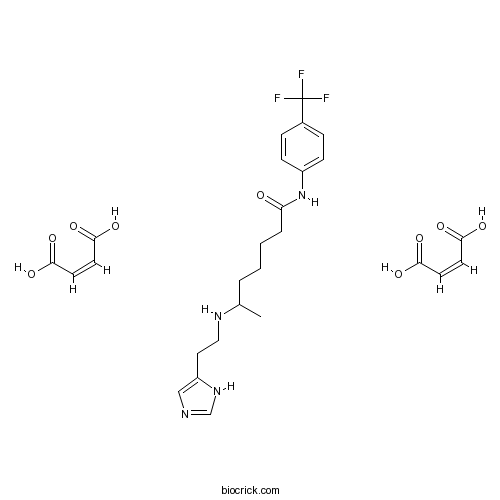
HTMT dimaleate
195867-54-0
-
BCC7379
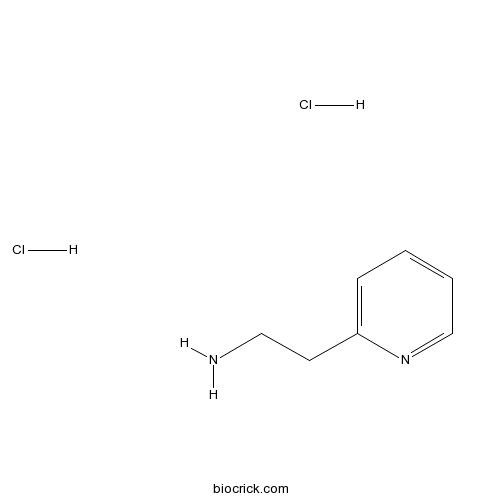
2-Pyridylethylamine dihydrochloride
3343-39-3
-
BCC7691
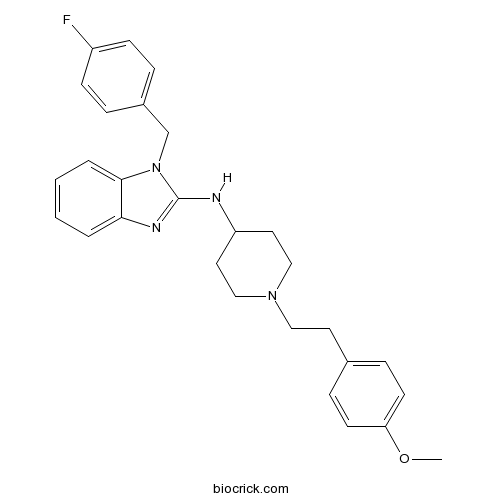
Astemizole
Astemizole (R 43512), a second-generation antihistamine drug to diminish allergic symptoms with a long duration of action, is a histamine H1-receptor antagonist, with an IC50 of 4 nM. Astemizole also shows potent hERG K+ channel blocking activity with an IC50 of 0.9 nM. Astemizole has antipruritic effects.
-
BCC4517
Cetirizine DiHCl
Cetirizine dihydrochloride, a second-generation antihistamine and the carboxylated metabolite of hydroxyzine, is a specific, orally active and long-acting histamine H1-receptor antagonist. Cetirizine dihydrochloride marks antiallergic properties and inhibits eosinophil chemotaxis during the allergic response[1][2][3].

-
BCC4528
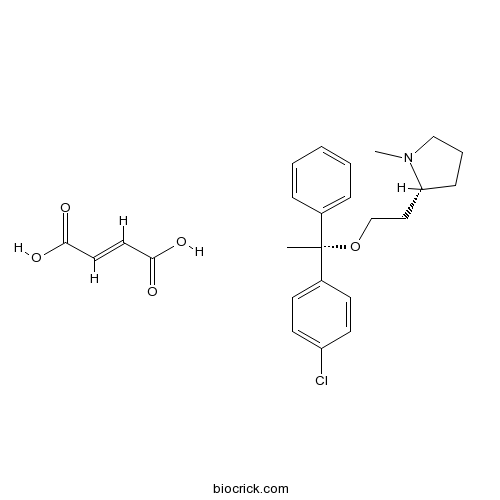
Clemastine Fumarate
Clemastine (fumarate) (HS-592 (fumarate)) is a selective histamine H1 receptor antagonist with IC50 of 3 nM.
-
BCC1486
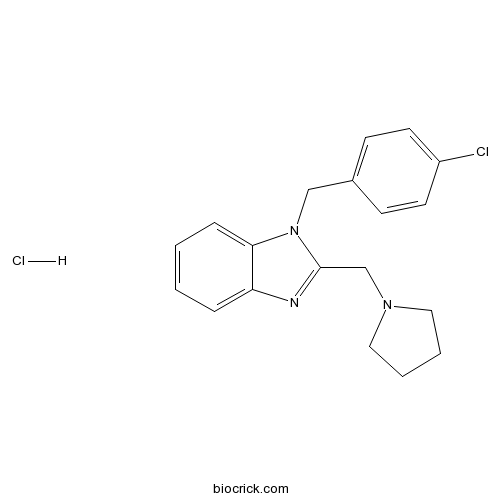
Clemizole hydrochloride
Clemizole hydrochloride is an H1 histamine receptor antagonist, is found to substantially inhibit HCV replication. The IC50 of Clemizole for RNA binding by NS4B is 24±1 nM, whereas its EC50 for viral replication is 8 µM.
-
BCC4540
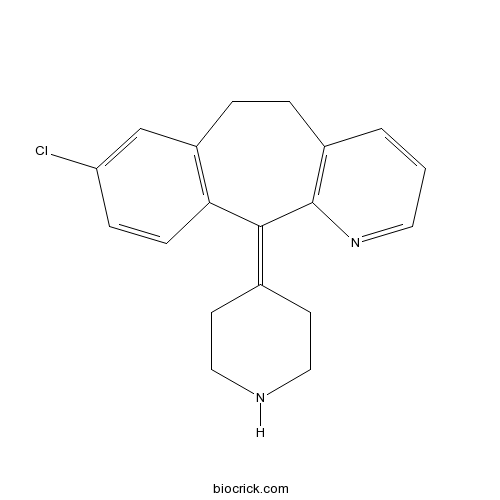
Desloratadine
Desloratadine(Sch34117) is a potent antagonist for human histamine H1 receptor used to treat allergies.
-
BCC7061
(S)-(+)-Dimethindene maleate
136152-65-3

-
BCC4542
Fexofenadine HCl
Fexofenadine hydrochloride (MDL-16455 hydrochloride), a H1R antagonist, is an anti-allergic agent used in seasonal allergic rhinitis and chronic idiopathic urticarial (person aged ≥16 years).