
Natural Products from Coix lacryma-jobi
Natural Products Isolated from Coix lacryma-jobi
BioCrick provides high-purity natural products and bioactive compounds isolated and purified from natural sources for scientific research.
- Natural product compounds selected from diverse chemical and biological sources.
- Broad structural diversity and coverage of biological activities.
- Product activity information can be supported by published literature, patents and research reports.
- Natural products can be selected according to source, target, activity and disease research interests.
- Compounds should be stored according to the product specifications after receipt.
Natural Products from Coix lacryma-jobi
2 natural product s associated with Coix lacryma-jobi
| Catalog No. | Product Name | CAS Number | COA |
|---|---|---|---|
| BCN3181 |
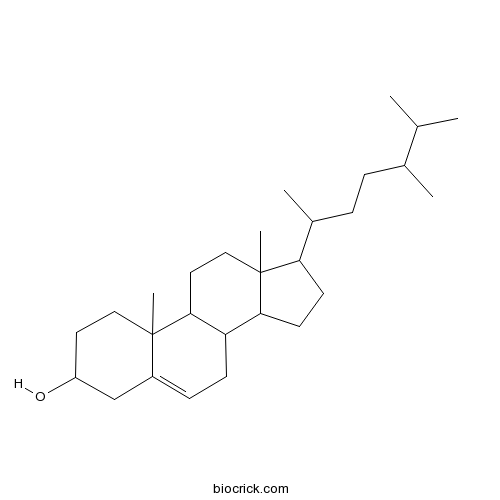
Campesterol
|
474-62-4 | COA |
| BCN8541 |
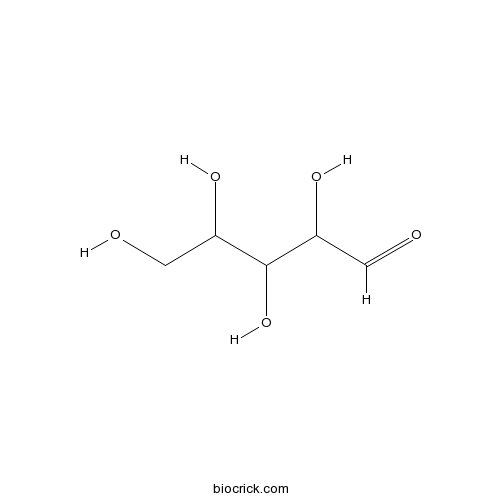
DL-Arabinose
|
147-81-9 | COA |
References
Kanglaite inhibits EMT caused by TNF-α via NF-κΒ inhibition in colorectal cancer cells.[Pubmed: 29467927]
Tumor necrosis factor-alpha is a critical pro-inflammatory cytokine produced by macrophages and was once considered an anti-tumor agent. However, a low dose of tumor necrosis factor-alpha can cause epithelial mesenchymal transition, angiogenesis and metastasis. NF-κΒ contributes to epithelial mesenchymal transition induced by tumor necrosis factor-alpha. Kanglaite, an extract from the Coix lacryma-jobi (adlay) seed, is an NF-κΒ inhibitor. The aim of this study was to investigate whether Kanglaite could inhibit epithelial mesenchymal transition caused by tumor necrosis factor-alpha using four colorectal cancer cell lines, HCT106, HCT116, LoVo and CT26. Our results showed that tumor necrosis factor-alpha -mediated activation of NF-κΒ, caused changes in epithelial mesenchymal transition -related protein expression, and increased migration and invasion in all four cell lines. However, these effects were inhibited by Kanglaite when used in combination with tumor necrosis factor-alpha. In a subcutaneous tumor model of CT26, tumor necrosis factor-alpha enhanced the tumorigenic ability of the cells, and again this was inhibited by Kanglaite. However, treatment with Kanglaite alone caused almost no inhibition of epithelial mesenchymal transition -mediated tumor growth, when cells were pretreated with tumor necrosis factor-alpha prior to injection. These results suggest that Kanglaite inhibits tumor necrosis factor-alpha -mediated epithelial mesenchymal transition in colorectal cancer cell lines via inhibition of NF-κΒ.