
Ca2+-ATPase
Ca2+-ATPases function to maintain a low cytoplasmic concentration of Ca2+ ions. They are high affinity, low capacitance transporters and complement the actions of the low affinity, high capacitance Na+/Ca2+ exchanger. Ca2+-ATPases are P-type ATPases.
Products for Ca2+-ATPase
- Cat.No. Product Name Information/Activity
-
BCN5814
Artemisinin
Artemisinin (Qinghaosu), a sesquiterpene lactone, is an anti-malarial drug isolated from the aerial parts of Artemisia annua L. plants. Artemisinin inhibits AKT signaling pathway by decreasing pAKT in a dose-dependent manner. Artemisinin reduces cancer cell proliferation, migration, invasion, tumorigenesis and metastasis and has neuroprotective effects.

-
BCC6982
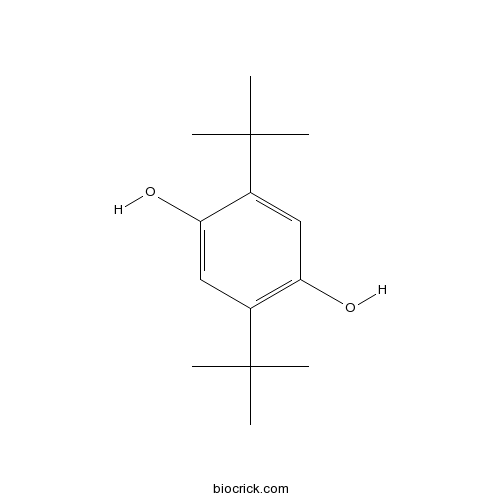
BHQ
Inhibitor of SERCA ATPase
-
BCC6981
Cyclopiazonic acid
Cyclopiazonic acid (CPA), a neurotoxic secondary metabolite (SM) made by A. flavus, is a nanomolar inhibitor of endoplasmic reticulum calcium ATPase (Ca2+ATPase; SERCA) and a potent inducer of cell death in plants.

-
BCC6952
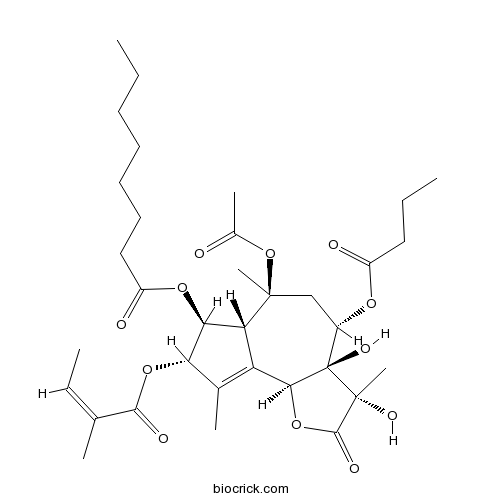
Thapsigargin
Thapsigargin is an inhibitor of microsomal Ca2+-ATPase. Thapsigargin is a well characterized Endoplasmic Reticulum (ER) stress inducing agent.
-
BCC2098
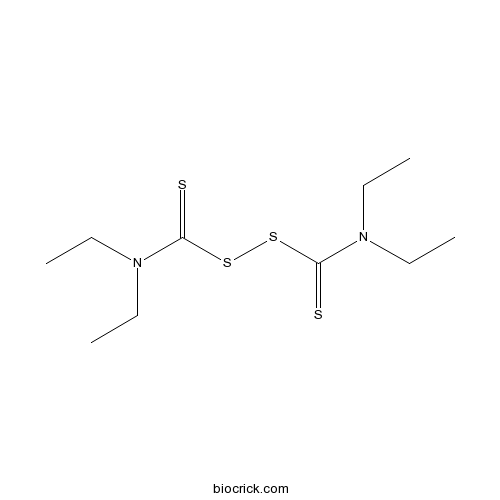
Disulfiram
Disulfiram (Tetraethylthiuram disulfide) is a specific inhibitor of aldehyde-dehydrogenase (ALDH1), used for the treatment of chronic alcoholism by producing an acute sensitivity to alcohol. Disulfiram inhibits gasdermin D (GSDMD) pore formation in liposomes and inflammasome-mediated pyroptosis and IL-1β secretion in human and mouse cells[1-4].
-
BCC7008
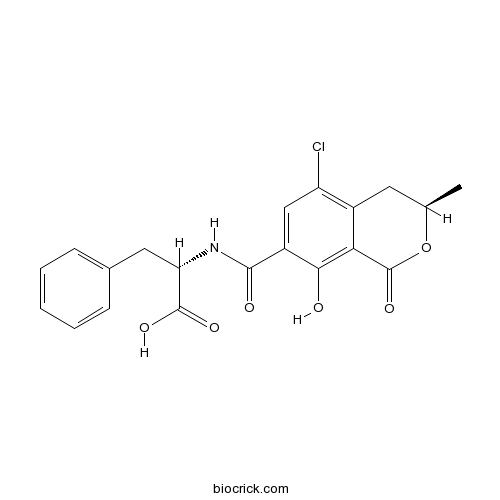
Ochratoxin A
303-47-9
-
BCC7235
Paxilline
Paxilline is an indole alkaloid mycotoxin from Penicillium paxilli, acts as a potent BK channels inhibitor by an almost exclusively closed-channel block mechanism. Paxilline also inhibits the sarco/endoplasmic reticulum Ca2+ ATPase (SERCA) with IC50s between 5 μM and 50 μM for differing isoforms. Paxilline possesses significant anticonvulsant activity.