Epilepsy Research
Epilepsy is a group of neurological conditions consisting of recurrent, usually unprovoked epileptic seizures. Epileptic seizures have recently been defined as "a transient occurrence of signs and/or symptoms due to abnormal, excessive or synchronous neuronal activity in the brain". Epilepsy is one of the most common disorders of the brain, with one in 10 people suffering at least one seizure in their lifetime. There are over 40 different types of epilepsy, each of which presents with its own unique combination of seizure type, typical age of onset, EEG findings, treatment, and prognosis.
Epilepsy Research Products Targets
- NHE (3)
- Monocarboxylate Transporter (3)
- VEGFR (16)
- FGFR (5)
- Voltage-gated Sodium (NaV) Channel (30)
- Voltage-gated Potassium (KV) Channel (38)
- Voltage-gated Calcium Channel (CaV) (38)
- Others (13)
- Epithelial Sodium Channel (3)
- STIM-Orai Channel (4)
- Ryanodine Receptor (6)
- Glutamate (Metabotropic) Group III Receptor (26)
- Glutamate (Metabotropic) Group II Receptor (33)
- Glutamate (Metabotropic) Group I Receptor (54)
- AMPA Receptor (45)
- GABAA-ρ Receptor (8)
- GABAA Receptor (66)
- NMDA Receptor (87)
- Kainate Receptor (22)
- IP3 Receptor (2)
- Gap Channel (7)
- Trk Receptor (13)
- Acid-Sensing Ion Channel (3)
- Calcium-Activated Potassium (KCa) Channel (19)
- Inward Rectifier Potassium (Kir) Channel (21)
- Sodium and Potassium ATPase (3)
- KCC2 (1)
- H+-ATPase (3)
- H+,K+-ATPase (4)
- Chloride Channel (17)
- NCX (5)
- Ca2+-ATPase (7)
- NKCC (2)
- Cytokine (15)
Products for Epilepsy Research
- Cat.No. Product Name Information/Activity
-
BCC7060
DCEBIO
DCEBIO, a derivative of 1-EBIO, is an extremely potent activator of Cl- secretion in T84 colonic cells. DCEBIO stimulates Cl- secretion via the activation of hIK1 K+ channels and the activation of an apical membrane Cl- conductance.

-
BCC6313
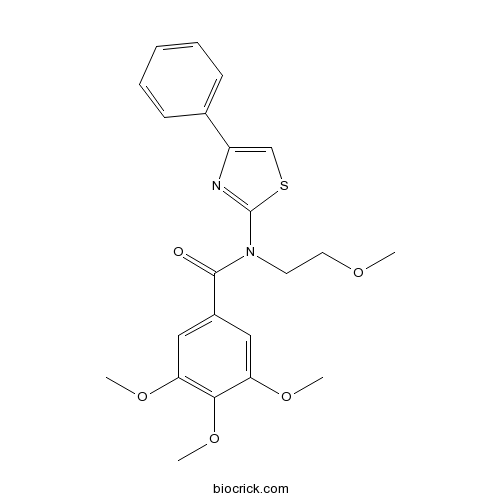
Eact
Eact is a selective and potent activator of TMEM16A, directly activates the TRPV1 channels in sensory nociceptors and produces itch, acute nociception and thermal hypersensitivity.
-
BCC4634
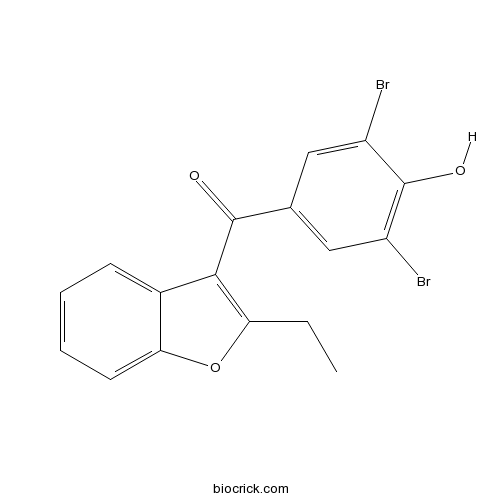
Benzbromarone
Benzbromarone is a highly effective and well tolerated non-competitive inhibitor of xanthine oxidase, used as an uricosuric agent, used in the treatment of gout.
-
BCC6314
CaCCinh-A01
CaCCinh-A01 is an inhibitor of both TMEM16A and calcium-activated chloride channel (CaCC) with IC50s of 2.1 and 10 μM, respectively.

-
BCC4419
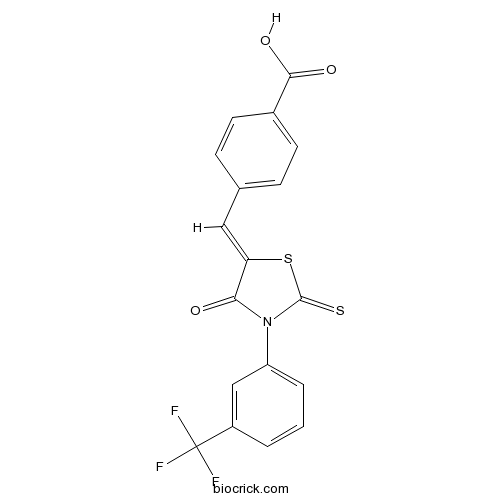
CFTRinh-172
CFTR(inh)-172 is a potent and selective blocker of the CFTR chloride channel; reversibly inhibits CFTR short-circuit current in less than 2 minutes with a Ki of 300 nM.
-
BCC7055
Chromanol 293B
163163-23-3

-
BCC7105
DCPIB
DCPIB is a selective, reversible and potent inhibitor of volume-regulated anion channels (VRAC), voltage-dependently activates potassium channels TREK1 and TRAAK, inhibits TRESK, TASK1 and TASK3 (IC50s, 0.14, 0.95, 50.72 μM, respectively). DCPIB is also a selective blocker of swelling-induced chloride current (ICl,swell), with an IC50 of 4.1 μM in CPAE cells.

-
BCC7942
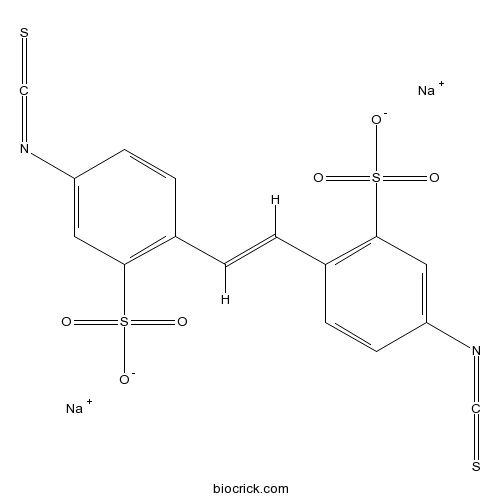
DIDS
Chloride channel blocker; TRPV1 modulator; RAD51 recombinase inhibitor
-
BCC6326
GaTx2
194665-85-5

-
BCC4784
Glyburide
Glibenclamide is a selective inhibitor of ATP-sensitive K+ channel.