Memory, Learning and Cognition
Cognition is the term used to define the process of thoughts, including memory, awareness, reasoning and perception. Cognitive enhancement describes the improvement of the information processing systems of the mind and the extension of its main capacities, which can be undertaken simply by learning, especially during early development.
Memory, Learning and Cognition Products Targets
- Voltage-gated Calcium Channel (CaV) (38)
- Others (13)
- D4 Receptor (12)
- 5-HT7 Receptor (11)
- 5-HT6 Receptor (14)
- 5-ht5 Receptor (2)
- 5-HT4 Receptor (17)
- NOP Receptor (21)
- Mu-Opioid Receptors (15)
- Kappa Opioid Receptors (14)
- Glutamate (Metabotropic) Group III Receptor (26)
- Glutamate (Metabotropic) Group II Receptor (33)
- Glutamate (Metabotropic) Group I Receptor (54)
- AMPA Receptor (45)
- GABAA-ρ Receptor (8)
- GABAA Receptor (66)
- GPR55 (8)
- CB2 Receptor (6)
- CB1 Receptor (17)
- Nicotinic (α7) Receptor (25)
- Nicotinic (α4β2) Receptor (14)
- Protein Kinase C (29)
- Calmodulin-Dependent Kinase (8)
- D3 Receptor (12)
- NMDA Receptor (87)
- Kainate Receptor (22)
- D2 Receptor (14)
- D1 and D5 Receptor (16)
- Amyloid beta Peptide (28)
- Histamine H1 Receptor (17)
- M5 Receptor (2)
- M4 Receptor (3)
- M3 Receptor (4)
- M2 Receptor (5)
- M1 Receptor (8)
- Delta opioid receptor (16)
- Protein serine and threonine phosphatase (16)
- Histone Deacetylase (19)
- Phosphodiesterase (34)
Products for Memory, Learning and Cognition - Page 13
- Cat.No. Product Name Information/Activity
-
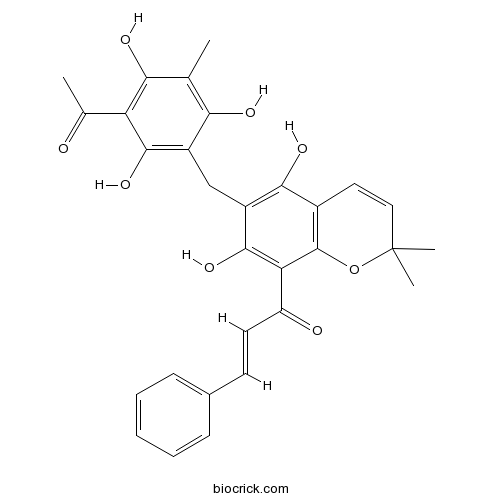
BCC7127
Rottlerin
Rottlerin, a natural product purified from Mallotus Philippinensis, is a specific PKC inhibitor, with IC50 values for PKCδ of 3-6 μM, PKCα,β,γ of 30-42 μM, PKCε,η,ζ of 80-100 μM. Rottlerin acts as a direct mitochondrial uncoupler, and stimulates autophagy by targeting a signaling cascade upstream of mTORC1. Rottlerin induces apoptosis via caspase 3 activation.
-
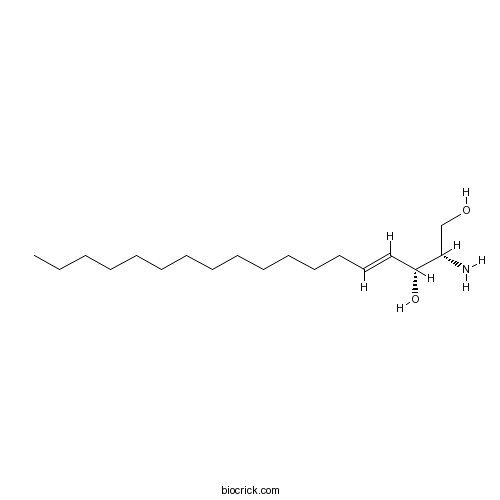
BCC6729
D-erythro-Sphingosine (synthetic)
D-erythro-Sphingosine (Erythrosphingosine) is a very potent activator of p32-kinase with an EC50 of 8 μM, and inhibits protein kinase C (PKC). D-erythro-Sphingosine (Erythrosphingosine) is also a PP2A activator.
-
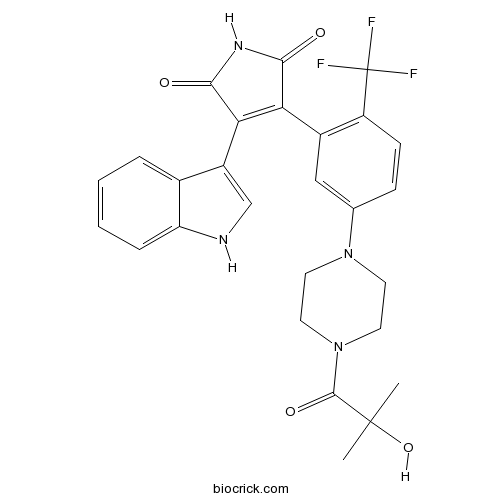
BCC2443
TCS 21311
TCS 21311 (NIBR3049) is a potent, highly selective JAK3 inhibitor with an IC50 of 8 nM, it displays >100-fold selectivity over JAK1, JAK2 and TYK2. TCS 21311 (NIBR3049) inhibits PKCα, PKCθ, and GSK3β with IC50s of 13, 68, and 3 nM, respectively.
-
BCC4003
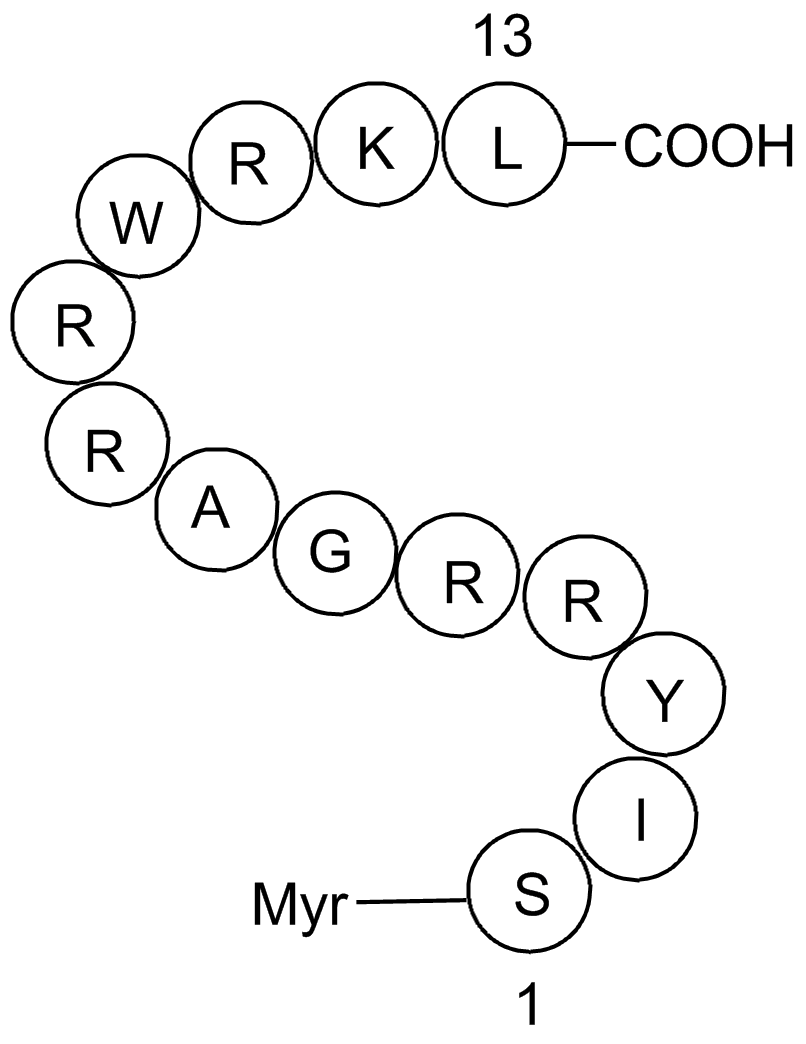
ZIP
Cell-permeable inhibitor of atypical PKC isozyme PKM<span class='symbol'>ζ</span>
-
BCC7343
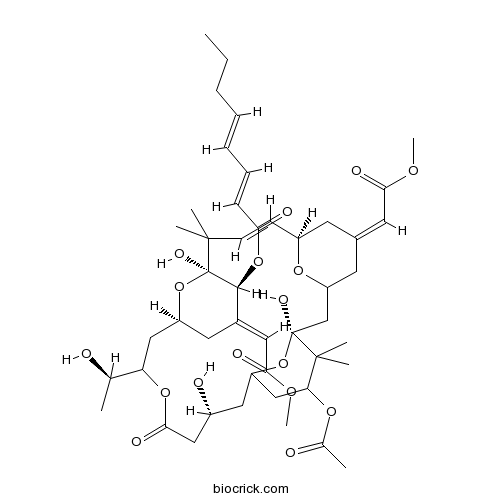
Bryostatin 1
Bryostatin 1 is a natural macrolide isolated from the bryozoan Bugula neritina and is a potent and central nervous system (CNS)-permeable PKC modulator. Bryostatin 1 binds to the isolated C1 domain of Munc13-1 and the full-length Munc13-1 protein with Kis of 8.07 nM and 0.45 nM, respectively. Bryostatin 1 has anti-cancer, anti-inflammatory, neuroprotective, anti-HIV-1 infection properties.
-
BCC5619
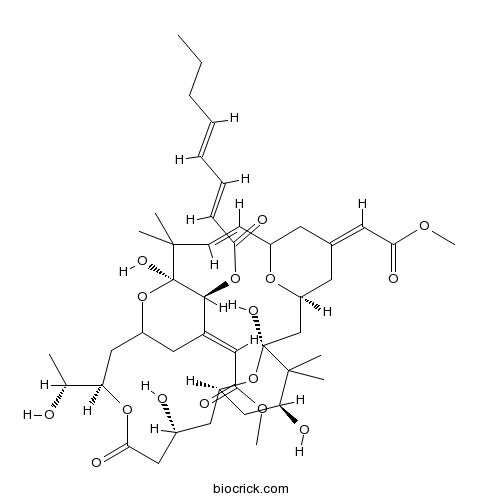
Bryostatin 2
87745-28-6
-
BCC5620
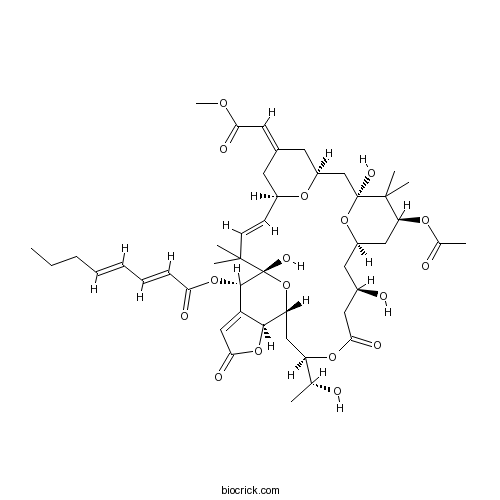
Bryostatin 3
143370-84-7
-
BCC7564
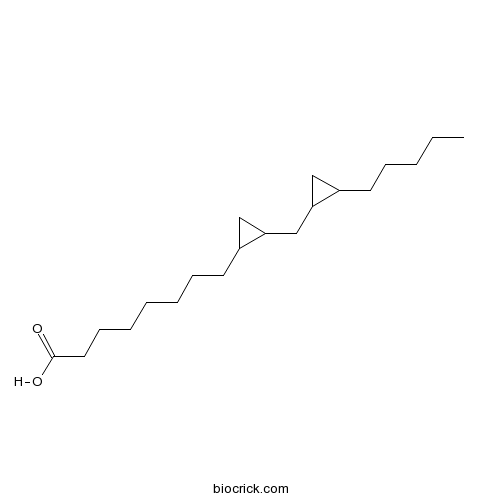
FR 236924
DCP-LA (FR236924), a linoleic acid derivative, selectively and directly activates PKCε.
-
BCN2961
Ingenol 3-Angelate
Ingenol Mebutate is an active ingredient in Euphorbia peplus, acts as a potent PKC modulator, with Kis of 0.3, 0.105, 0.162, 0.376, and 0.171 nM for PKC-α, PKC-β, PKC-γ, PKC-δ, and PKC-ε, respectively, and has antiinflammatory and antitumor activity.

-
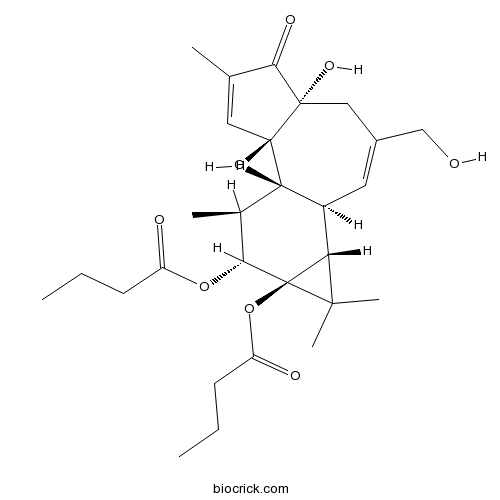
BCC7870
Phorbol 12,13-dibutyrate
Phorbol 12,13-dibutyrate (Phorbol dibutyrate) is a PKC activator and a potent skin tumor promoter.