
NorbelladineCAS# 6053-00-5 |
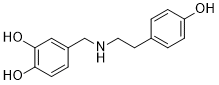
| Cas No. | 6053-00-5 | SDF | File under preparation. |
| PubChem ID | N/A | Appearance | Powder |
| Formula | C15H17NO3 | M.Wt | 259.3 |
| Type of Compound | N/A | Storage | Desiccate at -20°C |
| Solubility | Soluble in Chloroform,Dichloromethane,Ethyl Acetate,DMSO,Acetone,etc. | ||
| General tips | For obtaining a higher solubility , please warm the tube at 37 ℃ and shake it in the ultrasonic bath for a while.Stock solution can be stored below -20℃ for several months. We recommend that you prepare and use the solution on the same day. However, if the test schedule requires, the stock solutions can be prepared in advance, and the stock solution must be sealed and stored below -20℃. In general, the stock solution can be kept for several months. Before use, we recommend that you leave the vial at room temperature for at least an hour before opening it. |
||
| About Packaging | 1. The packaging of the product may be reversed during transportation, cause the high purity compounds to adhere to the neck or cap of the vial.Take the vail out of its packaging and shake gently until the compounds fall to the bottom of the vial. 2. For liquid products, please centrifuge at 500xg to gather the liquid to the bottom of the vial. 3. Try to avoid loss or contamination during the experiment. |
||
| Shipping Condition | Packaging according to customer requirements(5mg, 10mg, 20mg and more). Ship via FedEx, DHL, UPS, EMS or other couriers with RT, or blue ice upon request. | ||
Quality Control & MSDS
Package In Stock

Number of papers citing our products


Norbelladine Dilution Calculator
Norbelladine Molarity Calculator
| 1 mg | 5 mg | 10 mg | 20 mg | 25 mg | |
| 1 mM | 3.8565 mL | 19.2827 mL | 38.5654 mL | 77.1307 mL | 96.4134 mL |
| 5 mM | 0.7713 mL | 3.8565 mL | 7.7131 mL | 15.4261 mL | 19.2827 mL |
| 10 mM | 0.3857 mL | 1.9283 mL | 3.8565 mL | 7.7131 mL | 9.6413 mL |
| 50 mM | 0.0771 mL | 0.3857 mL | 0.7713 mL | 1.5426 mL | 1.9283 mL |
| 100 mM | 0.0386 mL | 0.1928 mL | 0.3857 mL | 0.7713 mL | 0.9641 mL |
| * Note: If you are in the process of experiment, it's necessary to make the dilution ratios of the samples. The dilution data above is only for reference. Normally, it's can get a better solubility within lower of Concentrations. | |||||
- 2',4',6'-Trihydroxy-3,4-dimethoxydihydrochalcone
Catalog No.:BCX2759
CAS No.:29287-31-8
- 6-Isopentenyl apigenin trimethyl ether
Catalog No.:BCX2758
CAS No.:109605-85-8
- 3-Hydroxyphloretin
Catalog No.:BCX2757
CAS No.:57765-66-9
- 6'-Hydroxy-3,4,2',3',4'-pentamethoxychalcone
Catalog No.:BCX2756
CAS No.:65602-54-2
- Oxyberberrubine
Catalog No.:BCX2755
CAS No.:29580-82-3
- Senegasaponin B
Catalog No.:BCX2754
CAS No.:167933-49-5
- Onjisaponin Vg
Catalog No.:BCX2753
CAS No.:1078708-70-9
- Onjisaponin Fg
Catalog No.:BCX2752
CAS No.:1009314-47-9
- Isomogroside VI
Catalog No.:BCX2751
CAS No.:2496376-70-4
- 7,4'-dihydroxy-3'-methoxyflavanone
Catalog No.:BCX2750
CAS No.:13192-07-9
- (11β,16α)-9,21-Dichloro-17-[(2-furanylcarbonyl)oxy]-11-hydroxy-16-methylpregna-1,4-diene-3,6,20-trione
Catalog No.:BCX2749
CAS No.:1305334-30-8
- 3-Sulfotaurolithocholic acid disodium salt
Catalog No.:BCX2748
CAS No.:64936-83-0
- Olean-12-ene-3β,28-diol diacetate
Catalog No.:BCX2761
CAS No.:1896-77-1
- 4'-Demethyldehydropodophyllotoxin
Catalog No.:BCX2762
CAS No.:117669-31-5
- Idesolidine
Catalog No.:BCX2763
CAS No.:911697-92-2
- 10,13-Bissidechainpaclitaxel
Catalog No.:BCX2764
CAS No.:2157462-42-3
- 2-Debenzoylpaclitaxel 2-Pentanoate
Catalog No.:BCX2765
CAS No.:213767-22-7
- IsocephaloMannine
Catalog No.:BCX2766
CAS No.:173101-54-7
- 19-Hydroxypaclitaxel
Catalog No.:BCX2767
CAS No.:409319-62-6
- 7-Acetylpaclitaxel
Catalog No.:BCX2768
CAS No.:92950-39-5
- 7-epi-Cephalomannine
Catalog No.:BCX2769
CAS No.:150547-36-7
- N-Debenzoyl-N-cinnamoylpaclitaxel
Catalog No.:BCX2770
CAS No.:219783-77-4
- N-Debenzoyl-N-phenylacetylpaclitaxel
Catalog No.:BCX2771
CAS No.:173101-56-9
- N-Debenzoyl-N-[(3E)-hex-3-enoyl]paclitaxel
Catalog No.:BCX2772
CAS No.:502626-06-4
Amaryllidaceae Alkaloids and Isoquinoline Alkaloids: A Perspective on Historical Approaches to Pathway Elucidation.[Pubmed:42739321]
Plants (Basel). 2026 Aug 22;15(17):2553.
Alkaloid biosynthesis is a central topic in plant specialized metabolism because many alkaloids have ecological, pharmacological, and biotechnological relevance. Isoquinoline alkaloids (IAs) and Amaryllidaceae alkaloids (AAs) are both connected to aromatic amino acid metabolism, but they differ in taxonomic distribution, scaffold-forming chemistry, pathway resolution, and biotechnological development. This review compares the historical and methodological trajectories that have shaped IA and AA pathway elucidation, from compound isolation, radiotracer experiments, and biochemical inference to transcriptomics, metabolomics, functional enzymology, isotope-guided active-tissue identification, regulatory studies, and heterologous pathway reconstruction. In IAs, especially benzylisoquinoline alkaloids, broad genomic and transcriptomic resources have supported candidate gene discovery and functional characterization of several branches, including morphinan, protoberberine, benzophenanthridine, and aporphine-related pathways. In contrast, AA biosynthesis has advanced more recently through function-driven approaches that clarified key steps such as N4OMT-mediated 4'-O-methylation, NBS/NR-mediated Norbelladine formation, CYP96T-dependent regioselective oxidative coupling, and transient reconstruction of major scaffold-forming branches. Remaining gaps include the unresolved enzymatic formation of 3,4-dihydroxybenzaldehyde in AAs and incomplete functional validation across less-studied IA scaffold classes. By integrating biochemical logic, omics-guided discovery, enzyme evolution, tissue specificity, regulation, and synthetic biology, this review identifies priorities for future alkaloid pathway discovery and sustainable production.
Alkaloids from In Vitro Cultured Rhodophiala pratensis Display Neuroprotective Effects in Murine Microglial Cell Models of Inflammation.[Pubmed:42075388]
Plants (Basel). 2026 Apr 12;15(8):1186.
Neuroinflammation is determinant in the progression of neurodegenerative diseases. One of the main mechanisms underlying this process involves the persistent activation of glial cells. Persistent activation of glial cells induces proinflammatory transcription factors and the release of cytokines, chemokines, and reactive oxygen species that exacerbate cellular dysfunction. This neurotoxic environment promotes neuronal death, while the products of cellular damage feed back into glial activation, establishing a self-sustaining pathogenic cycle that drives neurodegeneration. Alkaloids present in Amaryllidaceae plants support the use of this resource in folk medicine, displaying potent effects as acetylcholinesterase inhibitors and allosteric modulators of nicotinic receptors (nAChR). In this study, a murine microglial cell (IMG) model of LPS-induced inflammation was used to evaluate the involvement of alpha7 and alpha4beta2 nAChRs in glioprotection and neuroprotection of SH-SY5Y cells against 6-hydroxydopamine (OHDA). GC-MS analysis revealed differences in the alkaloid profile between in vitro cultures with fructose and wild-type Rhodophiala pratensis. Homolycorine-type, Norbelladine-type and crinine-type alkaloids produced in vitro reduced LPS-induced inflammation (5 microg/mL), possibly via alpha7 and alpha4beta2 nAChRs, and showed a protective effect against OHDA-induced oxidative stress (1-3 microg/mL) and inhibited AChE and BuChE (24-78 microg/mL).
Elucidating the enzyme network driving Amaryllidaceae alkaloids biosynthesis in Leucojum aestivum.[Pubmed:40035234]
Plant Biotechnol J. 2025 Jun;23(6):1988-2005.
Amaryllidaceae alkaloids (AAs) are diverse bioactive metabolites with significant pharmaceutical potential, derived from 4'-O-methylNorbelladine (4'OM). The biosynthesis of these compounds involves the condensation of tyramine and 3,4-dihydroxybenzaldehyde by Norbelladine synthase (NBS) and/or noroxomaritidine/norcraugsodine reductase (NR), followed by O-methylation. Cytochrome P450 enzymes, particularly the CYP96T family, introduce further structural diversity through C-C couplings, resulting in lycorine, galanthamine and crinine cores. Despite their importance, the exact biosynthetic pathways remain poorly defined. In this study, we describe key enzymes from Leucojum aestivum (La), providing crucial insight into AA biosynthesis. Transient expression in Nicotiana benthamiana demonstrated that LaNBS and LaNRII catalyse the conversion of tyramine and 3,4-dihydroxybenzaldehyde to Norbelladine, which is subsequently O-methylated by a Norbelladine-4'-O-methyltransferase (LaN4'OMT) in planta. Co-agroinfiltration of LaNBS, LaNRII, LaN4'OMT and LaCYP96T1 resulted in the production of various phenol-coupled products, with lycorine as the predominant compound, alongside haemanthamine, crinine/vittatine and norgalanthamine. This study identifies LaCYP96T1 and LaCYP96T2 as the first monocot enzymes capable of catalysing all three regioselective C-C phenol couplings and also highlights the substrate promiscuity of LaNRII. The findings not only elucidate critical steps in AA biosynthesis but also open new avenues for biotechnological application in producing valuable alkaloids, offering potential for novel drug development.
Multi-Omics Analysis Reveals Molecular Responses of Alkaloid Content Variations in Lycoris aurea Across Different Locations.[Pubmed:39373541]
Plant Cell Environ. 2025 Feb;48(2):953-964.
Lycoris aurea, celebrated for its visually striking flowers and significant medicinal value due to the presence of alkaloids such as lycorine and galanthamine, has intricate yet poorly understood regulatory mechanisms. This study provides a detailed examination of the transcriptomic, metabolomic and ecological dynamics of L. aurea, aiming to elucidate the underlying molecular mechanisms of alkaloid biosynthesis. Our comparative analysis across different ecological settings highlighted key genes involved in alkaloid biosynthesis, such as genes encoding aldehyde dehydrogenase and Norbelladine 4'-O-methyltransferase, which were distinctively increased in the high alkaloids-producing group. We identified a total of 6871 differentially expressed genes and 915 metabolites involved in pathways like terpenoid backbone biosynthesis, phenylalanine, tyrosine and tryptophan biosynthesis. Protein interaction network analysis revealed significant upregulation of photosynthesis, photosystem and photosynthetic membrane pathways in the alkaloids-producing region. Furthermore, our research delineated the interactions among soil microbial communities, genes and plant and soil biochemical properties, noting that bacterial populations correlate with soil properties that favour the activation of metabolic pathways essential for alkaloid production. Collectively, this study advances our understanding of the genetic and metabolic alkaloid biosynthesis pathways in L. aurea, shedding light on the complex interactions that govern alkaloid production.
Synthesis, Characterization, and Biological Evaluation of N-Methyl Derivatives of Norbelladine.[Pubmed:39339437]
Molecules. 2024 Sep 19;29(18):4442.
Norbelladine derivatives have garnered attention in recent years due to their diverse biological activities and pivotal role in the biosynthetic pathway of Amaryllidaceae alkaloids. This study reports the synthesis and biological evaluation of four O,N-methylated derivatives of Norbelladine. These derivatives were synthesized through a three-step process: forming imine intermediates from benzaldehydes with tyramine, hydrogenating them to secondary amines, and N-methylating these amines. The products were purified and characterized by (1)H and (13)C NMR spectroscopy. Their biological activities were assessed by evaluating their ability to inhibit Alzheimer's disease-related enzymes acetylcholinesterase and butyrylcholinesterase. Additionally, the cytotoxic activity of the novel derivatives was tested against cancer cell lines derived from hepatocarcinoma (Huh7), adenocarcinoma (HCT-8), and acute myeloid leukemia (THP-1) cells, and their antiviral properties against a human coronavirus (HCoV-OC43), a flavivirus (dengue virus), and a lentivirus (pseudotyped HIV-1). Docking analysis was performed to understand the impact of the N-methylation on their pharmacological relevance. The results indicate that while N-methylation does not significantly affect antiviral activity, it enhances butyrylcholinesterase inhibition for N-methylNorbelladine and 4'-O,N-dimethylNorbelladine. Overall, this work enhances our understanding of Norbelladine derivatives, provides new tools for Alzheimer's disease research, and lays the groundwork for future pharmaceutical developments.
Kinetic and in silico structural characterization of norbelladine O-methyltransferase of Amaryllidaceae alkaloids biosynthesis.[Pubmed:39122011]
J Biol Chem. 2024 Sep;300(9):107649.
Amaryllidaceae alkaloids are a diverse group of alkaloids exclusively reported from the Amaryllidaceae plant family. In planta, their biosynthesis is still not fully characterized; however, a labeling study established 4'-O-methylNorbelladine as the key intermediate compound of the pathway. Previous reports have characterized O-methyltransferases from several Amaryllidaceae species. Nevertheless, the formation of the different O-methylNorbelladine derivatives (3'-O-methylNorbelladine, 4'-O-methylNorbelladine, and 3'4'-O-dimethylNorbelladine), the role, and the preferred substrates of O-methyltransferases are not clearly understood. In this study, we performed the biochemical characterization of an O-methyltransferase candidate from Narcissus papyraceus (NpOMT) in vitro and in vivo, following biotransformation of Norbelladine in Nicotiana benthamiana having transient expression of NpOMT. Docking analysis was further used to investigate substrate preferences, as well as key interacting residues of NpOMT. Our study shows that NpOMT methylates Norbelladine preferentially at the 4'-OH position in vitro and in planta. Interestingly, NpOMT also catalyzed the synthesis of 3',4'-O-dimethylNorbelladine from Norbelladine and 4'-O-methylNorbelladine during in vitro enzymatic assay. Furthermore, we show that NpOMT methylates 3,4-dihydroxybenzylaldehyde and caffeic acid in a nonregiospecific manner to produce meta/para monomethylated products. This study reveals a novel catalytic potential of an Amaryllidaceae O-methyltransferase and its ability to regioselectively methylate Norbelladine in the heterologous host N. benthamiana.
Substrate Flexibilities of Norbelladine Synthase and Noroxomaritidine/Norcraugsodine Reductase for Hydroxylated and/or Methoxylated Aldehydes.[Pubmed:38811194]
Chem Pharm Bull (Tokyo). 2024;72(5):507-511.
Amaryllidaceae alkaloids are structurally diverse natural products with a wide range biological properties, and based on the partial identification of the biosynthetic enzymes, Norbelladine would be a common intermediate in the biosynthetic pathways. Previous studies suggested that Norbelladine synthase (NBS) catalyzed the condensation reaction of 3,4-dihydroxybenzaldehyde and tyramine to form norcraugsodine, and subsequently, noroxomaritidine/norcraugsodine reductase (NR) catalyzed the nicotinamide adenine dinucleotide phosphate (NADPH)-dependent reduction of norcraugsodine to generate Norbelladine. However, recent studies have highlighted possible alternative Amaryllidaceae alkaloid biosynthetic pathways via the formation of isovanillin and vanillin from the 4-O- and 3-O-methylation reactions of 3,4-dihydroxybenzaldehyde, respectively. Herein, we focused on NpsNBS and NpsNR, which were initially identified from Narcissus pseudonarcissus, and explored their substrate recognition tolerance by performing condensation reactions of tyramine with various benzaldehyde derivatives, to shed light on the Amaryllidaceae alkaloid biosynthetic pathway from the viewpoint of the enzymatic properties. The assays revealed that both NpsNBS and NpsNR lacked the abilities to produce 4'-O- and 3'-O-methylNorbelladine from isovanillin and vanillin with tyramine, respectively. These observations thus suggested that Amaryllidaceae alkaloids are biosynthesized from Norbelladine, formed through the condensation/reduction reaction of 3,4-dihydroxybenzaldehyde with tyramine.
Characterization of norbelladine synthase and noroxomaritidine/norcraugsodine reductase reveals a novel catalytic route for the biosynthesis of Amaryllidaceae alkaloids including the Alzheimer's drug galanthamine.[Pubmed:37711303]
Front Plant Sci. 2023 Aug 30;14:1231809.
Amaryllidaceae alkaloids (AAs) are a large group of plant specialized metabolites with diverse pharmacological properties. Norbelladine is the entry compound in AAs biosynthesis and is produced from the condensation of tyramine and 3,4-dihydroxybenzaldehyde (3,4-DHBA). There are two reported enzymes capable of catalyzing this reaction in-vitro, both with low yield. The first one, Norbelladine synthase (NBS), was shown to condense tyramine and 3,4-DHBA, while noroxomaritidine/norcraugsodine reductase (NR), catalyzes a reduction reaction to produce Norbelladine. To clarify the mechanisms involved in this controversial step, both NBS and NR homologs were identified from the transcriptome of Narcissus papyraceus and Leucojum aestivum, cloned and expressed in Escherichia coli. Enzymatic assays performed with tyramine and 3,4-DHBA with each enzyme separately or combined, suggested that NBS and NR function together for the condensation of tyramine and 3,4-DHBA into norcraugsodine and further reduction into Norbelladine. Using molecular homology modeling and docking studies, we predicted models for the binding of tyramine and 3,4-DHBA to NBS, and of the intermediate norcraugsodine to NR. Moreover, we show that NBS and NR physically interact in yeast and in-planta, that both localize to the cytoplasm and nucleus and are expressed at high levels in bulbs, confirming their colocalization and co-expression thus their ability to work together in the same catalytic route. Finally, their co-expression in yeast led to the production of Norbelladine. In all, our study establishes that both NBS and NR participate in the biosynthesis of Norbelladine by catalyzing the first key steps associated in the biosynthesis of the Alzheimer's drug galanthamine.
Chemical Synthesis and Biological Activities of Amaryllidaceae Alkaloid Norbelladine Derivatives and Precursors.[Pubmed:36080382]
Molecules. 2022 Aug 31;27(17):5621.
Amaryllidaceae alkaloids (AAs) are a structurally diverse family of alkaloids recognized for their many therapeutic properties, such as antiviral, anti-cholinesterase, and anticancer properties. Norbelladine and its derivatives, whose biological properties are poorly studied, are key intermediates required for the biosynthesis of all ~650 reported AAs. To gain insight into their therapeutic potential, we synthesized a series of O-methylated Norbelladine-type alkaloids and evaluated their cytotoxic effects on two types of cancer cell lines, their antiviral effects against the dengue virus (DENV) and the human immunodeficiency virus 1 (HIV-1), and their anti-Alzheimer's disease (anti-cholinesterase and -prolyl oligopeptidase) properties. In monocytic leukemia cells, norcraugsodine was highly cytotoxic (CC50 = 27.0 muM), while Norbelladine was the most cytotoxic to hepatocarcinoma cells (CC50 = 72.6 muM). HIV-1 infection was impaired only at cytotoxic concentrations of the compounds. The 3,4-dihydroxybenzaldehyde (selectivity index (SI) = 7.2), 3',4'-O-dimethylNorbelladine (SI = 4.8), 4'-O-methylNorbelladine (SI > 4.9), 3'-O-methylNorbelladine (SI > 4.5), and norcraugsodine (SI = 3.2) reduced the number of DENV-infected cells with EC50 values ranging from 24.1 to 44.9 muM. The O-methylation of norcraugsodine abolished its anti-DENV potential. Norbelladine and its O-methylated forms also displayed butyrylcholinesterase-inhibition properties (IC50 values ranging from 26.1 to 91.6 muM). Altogether, the results provided hints of the structure-activity relationship of Norbelladine-type alkaloids, which is important knowledge for the development of new inhibitors of DENV and butyrylcholinesterase.
Transcriptome analysis of Leucojum aestivum and identification of genes involved in norbelladine biosynthesis.[Pubmed:34981205]
Planta. 2022 Jan 3;255(2):30.
Transcriptome analysis of Leucojum aestivum led to the identification of 50 key genes associated with Amaryllidaceae alkaloid biosynthesis including Norbelladine synthase which localized in the cytosol and catalyzed Norbelladine formation. The Amaryllidaceae alkaloids (AAs) are a large group of plant specialized metabolites, which are known for their biological activities. Although the general chemical reactions in the AA biosynthetic pathway have been proposed, the genes and enzymes of the pathway remain largely unstudied. All AAs are synthesized from a common precursor, Norbelladine, by the condensation of tyramine and 3,4-dihydroxybenzaldehyde. The enzyme Norbelladine synthase (NBS) which catalyzes the condensation reaction has only been characterized at a molecular level from one species, and the subcellular localizations have not been explored. Hence, the intracellular compartments wherein the AAs are biosynthesized remain unknown. In this study, a first comprehensive transcriptomic analysis of summer snowflake (Leucojum aestivum) was done to identify key genes associated with AA biosynthesis. Fifty orthologous genes were identified and deposited into GenBank. In addition, we identified and further characterized NBS from the transcriptome of L. aestivum and previously reported Narcissus papyraceus. Phylogenetic analysis showed that LaNBS, NpNBS1 and NpNBS2 shared high amino acid identity. The heterologous expression of LaNBS produced a recombinant protein with NBS activity. Bioinformatic prediction and C-terminal GFP tagging in transiently transformed Nicotiana benthamiana showed that LaNBS, NpNBS1 and NpNBS2 were likely localized to the cytosol which suggests that the AA biosynthesis starts in the cytosol. This study provides an Amaryllidaceae transcriptome that will be very helpful to identify genes for characterization studies in AA metabolism in planta or using heterologous systems. In addition, our study will facilitate the bioengineering of AA biosynthetic pathway in plants or in microorganisms.
Transcriptomic and Metabolomic Analyses Reveals That Exogenous Methyl Jasmonate Regulates Galanthamine Biosynthesis in Lycoris longituba Seedlings.[Pubmed:34659286]
Front Plant Sci. 2021 Sep 30;12:713795.
The Amaryllidaceae alkaloid galanthamine (Gal) in Lycoris longituba is a secondary metabolite that has been used to treat Alzheimer's disease. Plant secondary metabolism is affected by methyl jasmonate (MeJA) exposure, although the regulatory mechanisms of MeJA on L. longituba seedlings remains largely unknown. In the present study, 75, 150, and 300 muM MeJA were used as treatments on L. longituba seedlings for 7, 14, 21, and 28 days, while 0 muM MeJA was used as the control (MJ-0). The effect of exogenous MeJA on Gal synthesis in L. longituba was then investigated using transcriptomic sequencing and metabolite profiling via GC-MS and LC-MS analysis. Galanthamine (Gal), lycorine (Lyc), and lycoramine (Lycm) abundances were 2. 71-, 2. 01-, and 2.85-fold higher in 75 muM MeJA (MJ-75) treatment plants compared to MJ-0 treatment plants after 7 days of cultivation. Transcriptomic analysis further showed that MJ-75 treatment significantly induced the expression of Norbelladine synthase (NBS) and Norbelladine 4'-O-methyltransferase (OMT), which are involved in the Gal biosynthesis pathway. In addition, increased expression was observed in MJ-75 treatment plants for genes in the JA synthesis and JA signaling pathways including those of allene oxide cyclase (AOC), 12-oxo-phytodienoic acid reductase (OPR), jasmonic acid amino acid synthase (JAR), and transcription factor MYC. The L. longituba tyrosine decarboxylase (LlTYDC) enzyme was identified and proposed to be involved in the Gal biosynthetic pathway. Metabolomics results demonstrated that the accumulation of Amaryllidaceae alkaloids, and especially alkaloids in the Gal biosynthesis pathway, could be induced by MJ-75 treatment. Interestingly, metabolites in the JA synthesis pathway were also affected by MeJA treatment. Overall, this multi-omics study suggests that both the JA synthesis/JA signaling and Gal biosynthesis pathways were affected by exogenous MeJA treatment. This comprehensive study of gene expression and metabolite contents can help us better understand the molecular mechanisms underlying MeJA-mediated Gal biosynthesis in L. longituba.
Amaryllidaceae Alkaloids of Norbelladine-Type as Inspiration for Development of Highly Selective Butyrylcholinesterase Inhibitors: Synthesis, Biological Activity Evaluation, and Docking Studies.[Pubmed:34361074]
Int J Mol Sci. 2021 Aug 2;22(15):8308.
Alzheimer's disease (AD) is a multifactorial neurodegenerative condition of the central nervous system (CNS) that is currently treated by cholinesterase inhibitors and the N-methyl-d-aspartate receptor antagonist, memantine. Emerging evidence strongly supports the relevance of targeting butyrylcholinesterase (BuChE) in the more advanced stages of AD. Within this study, we have generated a pilot series of compounds (1-20) structurally inspired from belladine-type Amaryllidaceae alkaloids, namely carltonine A and B, and evaluated their acetylcholinesterase (AChE) and BuChE inhibition properties. Some of the compounds exhibited intriguing inhibition activity for human BuChE (hBuChE), with a preference for BuChE over AChE. Seven compounds were found to possess a hBuChE inhibition profile, with IC(50) values below 1 microM. The most potent one, compound 6, showed nanomolar range activity with an IC(50) value of 72 nM and an excellent selectivity pattern over AChE, reaching a selectivity index of almost 1400. Compound 6 was further studied by enzyme kinetics, along with in-silico techniques, to reveal the mode of inhibition. The prediction of CNS availability estimates that all the compounds in this survey can pass through the blood-brain barrier (BBB), as disclosed by the BBB score.
Transcriptome Analysis of Different Tissues Reveals Key Genes Associated With Galanthamine Biosynthesis in Lycoris longituba.[Pubmed:33042169]
Front Plant Sci. 2020 Sep 16;11:519752.
L ycoris longituba is a traditional medicinal plant containing the bioactive compound galanthamine (Gal), a type of Amaryllidaceae alkaloid and can be used to treat Alzheimer's disease. However, research on its genome or transcriptome and associated genes in the biosynthetic pathway is incomplete. In this study, we estimated the nuclear genome size of this species to be 29.33 Gb by flow cytometry. Then, RNA sequencing of the leaves, roots, and bulbs of L. longituba was carried out. After de novo assembly, 474,589 all-transcripts and 333,440 all-unigenes were finally generated. In addition, the differentially expressed genes (DEGs) were identified, and genes involved in the galanthamine metabolic pathway encoding tyrosine decarboxylase (TYDC), phenylalanine ammonia-lyase (PAL), cinnamate 4-hydroxylase (C4H), p-coumarate 3-hydroxylase (C3H), Norbelladine synthase (NBS), Norbelladine 4'-O-methyltransferase (OMT), and noroxomaritidine synthase (CYP96T1) were detected and validated by real-time quantitative PCR analysis. One candidate gene, Lycoris longituba O-Methyltransferase (LlOMT), was identified in the proposed galanthamine biosynthetic pathway. Sequence analysis showed that LlOMT is a class I OMT. LlOMT is localized in the cytoplasm, and biochemical analysis indicated that the recombinant LlOMT catalyzes Norbelladine to generate 4'-O-methylNorbelladine. The protoplast transformation result showed that the overexpression of LlOMT could increase the Gal content. Our results indicate that LlOMT may play a role in galanthamine biosynthesis in L. longituba. This work provides a useful resource for the metabolic engineering of Amaryllidaceae alkaloids.

Calcutta University

University of Minnesota

University of Maryland School of Medicine

University of Illinois at Chicago

The Ohio State University

University of Zurich

Harvard University

Colorado State University

Auburn University

Yale University

Worcester Polytechnic Institute

Washington State University

Stanford University

University of Leipzig

Universidade da Beira Interior

The Institute of Cancer Research

Heidelberg University

University of Amsterdam

University of Auckland

TsingHua University

The University of Michigan

Miami University

DRURY University

Jilin University

Fudan University

Wuhan University

Sun Yat-sen University

Universite de Paris

Deemed University

Auckland University

The University of Tokyo

Korea University



