Cancer Metabolism
Genetic alterations and epigenetic modifications of cancer cells result in cellular metabolic pathways that are different in comparison to normal cells. Due to the inherent genetic instability of cancer cells, tumors are heterogeneous with a myriad microenvironments and multiple altered metabolic pathways, which could provide useful cancer therapeutic targets.
Cancer Metabolism Products Targets
- Ribonucleotide Reductase (2)
- PFKFB3 (3)
- Oxidative Phosphorylation (6)
- NHE (3)
- MTH1 (1)
- Monocarboxylate Transporter (3)
- Monoacylglycerol Lipase (6)
- Lactate Dehydrogenase A (1)
- HMG-CoA Reductase (8)
- Hexokinases (1)
- Glutaminase (1)
- Glucose Transporter (2)
- Fatty Acid Synthase (3)
- Dihydrofolate Reductase (2)
- Carbonic Anhydrase (2)
- ATP Citrate Lyase (3)
Products for Cancer Metabolism - Page 5
- Cat.No. Product Name Information/Activity
-
BCC5659
FCCP
FCCP is an uncoupler of oxidative phosphorylation in mitochondria. FCCP induces activation of PINK1 leading to Parkin Ser65 phosphorylation.

-
BCC4471
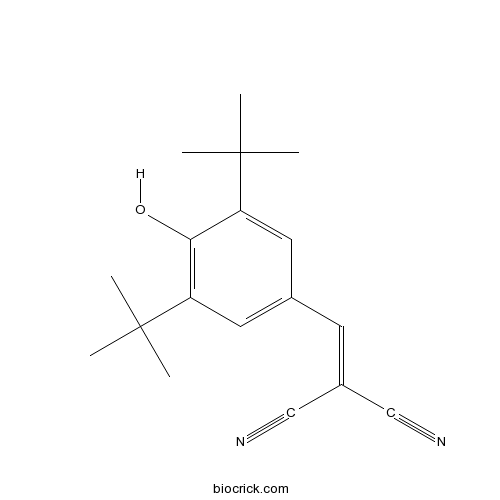
Tyrphostin 9
Tyrphostin A9, a PDGFR inhibitor, is a potent inducer of mitochondrial fission. Tyrphostin A9 emerged as the most potent and selective of 51 tyrosine kinase inhibitors tested against the TNF-induced respiratory burst. Tyrphostin A9 has anti-influenza virus activities.
-
BCC5616
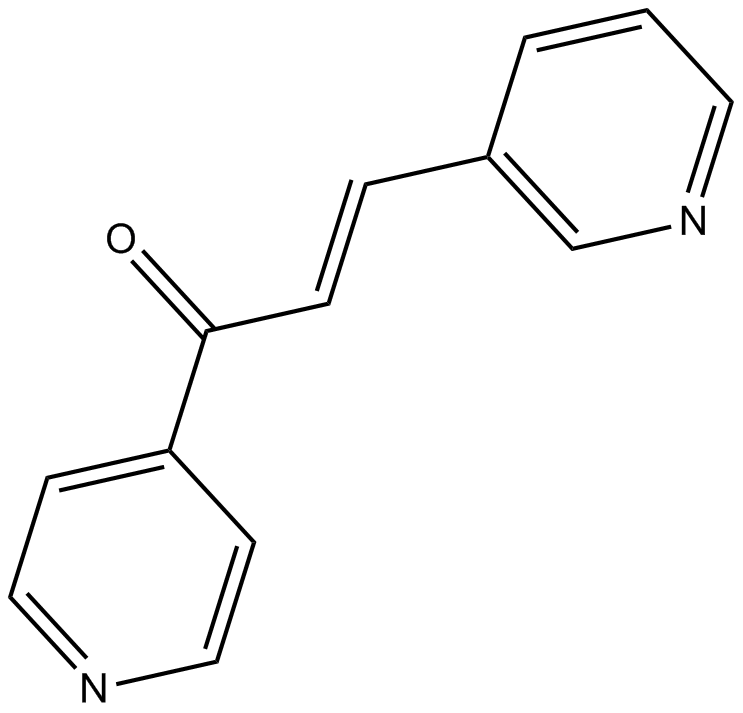
3PO
13309-08-5
-
BCC5280
PFK-015
PFK-015 is an effective inhibitor of PFKFB3 with IC50 of 110 nM (recombinant PFKFB3) and inhibits PFKFB3 activity in cancer cells with IC50 of 20 nM.

-
BCC8001
YZ9
6093-71-6

-
BCC1173
Cladribine
Cladribine is an adenosine deaminase inhibitor used to treat hairy cell leukemia and multiple sclerosis.

-
BCC1076
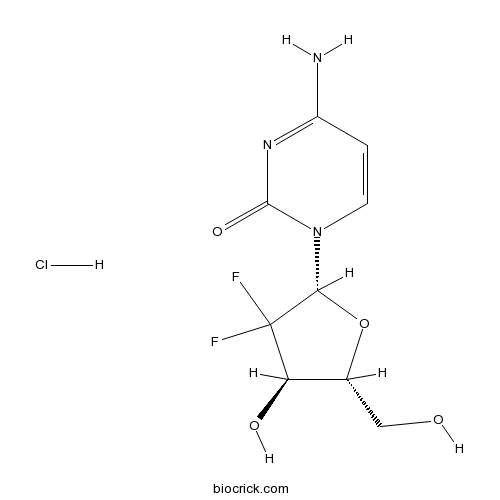
Gemcitabine HCl
Gemcitabine Hydrochloride (LY 188011 hydrochloride) is a DNA synthesis inhibitor which inhibits the growth of BxPC-3, Mia Paca-2, PANC-1, PL-45 and AsPC-1 cells with IC50s of 37.6, 42.9, 92.7, 89.3 and 131.4 nM, respectively.