Cardiovascular Research
The cardiovascular, or circulatory, system is a closed elastic circuit consisting of the heart, blood vessels (arteries, capillaries and veins) and the blood. The primary function is to pump oxygenated blood to the tissues throughout the body and reabsorb waste carbon dioxide for its removal. This function is performed by the use of pulmonary and systemic circulation.
Cardiovascular Research Products Areas
Products for Cardiovascular Research - Page 50
- Cat.No. Product Name Information/Activity
-
BCC5677
ICI 154,129
83420-94-4

-
BCC5675
ICI 174,864
89352-67-0

-
BCC5683
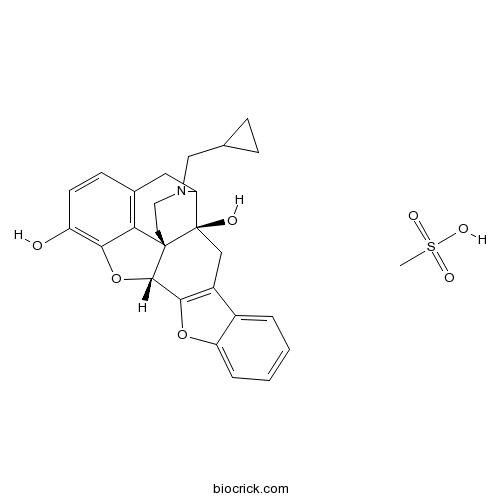
Naltriben mesylate
122517-78-6
-
BCC7054
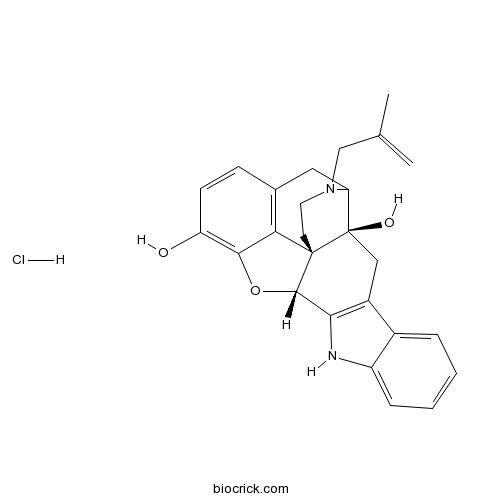
SDM25N hydrochloride
342884-71-3
-
BCC3606
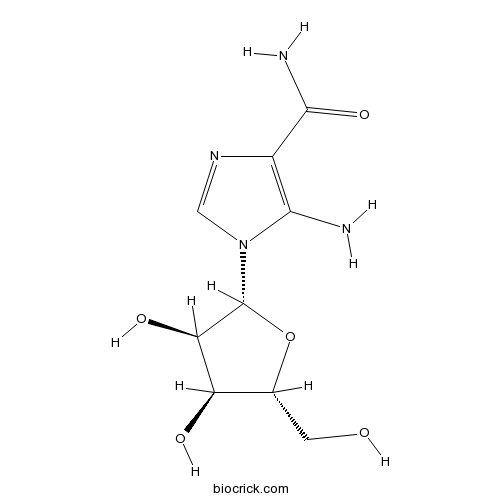
AICAR
AICAR (Acadesine) is an adenosine analog and a AMPK activator. AICAR regulates the glucose and lipid metabolism, and inhibits proinflammatory cytokines and iNOS production. AICAR is also an autophagy and mitophagy inhibitor.
-
BCC1130
5-Azacytidine
5-Azacytidine (Azacitidine; 5-AzaC; Ladakamycin) is a nucleoside analogue of cytidine that specifically inhibits DNA methylation. 5-Azacytidine is incorporated into DNA to covalently trap DNA methyltransferases and contributes to reverse epigenetic changes. 5-Azacytidine induces cell autophagy.

-
BCC7790
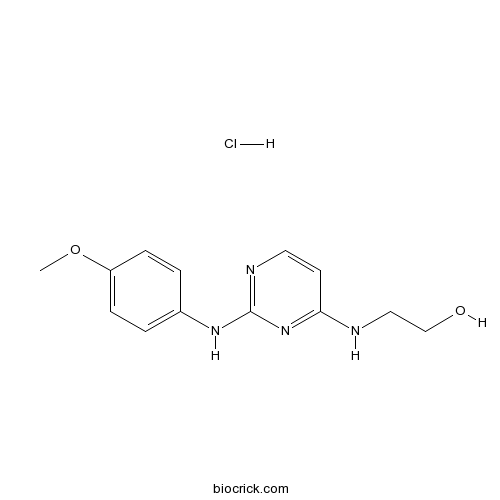
Cardiogenol C hydrochloride
Cardiogenol C hydrochloride is a potent cell-permeable pyrimidine inducer which prompts the differentiation of ESCs into cardiomyocytes (EC50=100 nM). Cardiogenol C hydrochloride also acts cardiomyogenic on already lineage-committed progenitor cell types with a limited degree of plasticity. Cardiogenol C hydrochloride is a useful cardiomyogenic agent and can be used as a tool to improve cardiac repair by cell transplantation therapy in animal models.
-
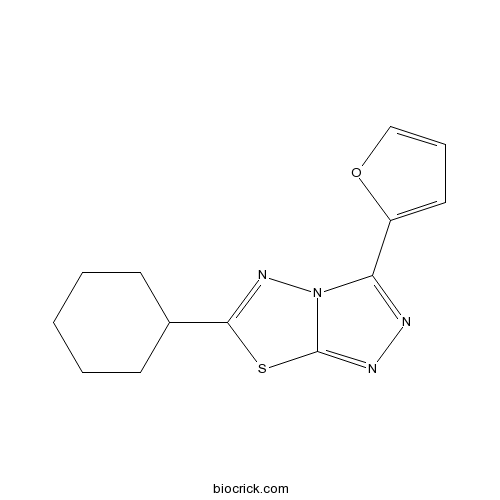
BCC6199
Cardionogen 1
577696-37-8
-
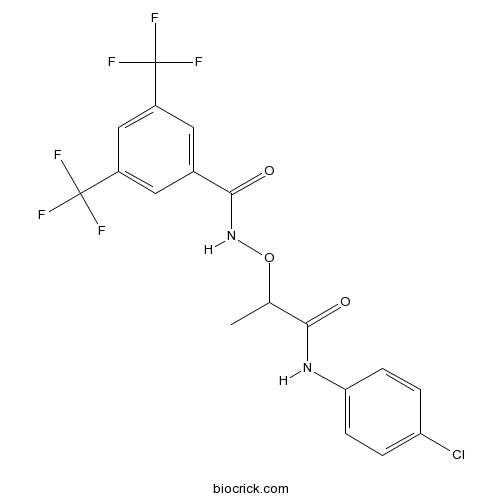
BCC5581
CCG-1423
CCG-1423 is a novel inhibitor of RhoA/C-mediated gene transcription that is capable of inhibiting invasion of PC-3 prostate cancer cells in a Matrigel model of metastasis.
-
BCC3896
CH 223191
CH-223191 is a potent and specific antagonist of aryl hydrocarbon receptor (AhR). CH-223191 inhibits TCDD-mediated nuclear translocation and DNA binding of AhR, and inhibits TCDD-induced luciferase activity with an IC50 of 0.03 μM.