Ischemia-Reperfusion Injury Research
Ischemia/Reperfusion (I/R) injury is defined as the cellular damage that results from a period of ischemia that is followed by the reestablishment of the blood supply to the infarcted tissue.Myocardial ischemia, also known as cardiac ischemia, is defined as the deprivation of oxygen and nutrients to the heart. This phenomenon occurs during a myocardial infarction, when an occlusive thrombus within a coronary artery prevents blood supply to the myocardium, but can also occur during cardiac surgery as a result of pharmacological intervention to temporarily stop the heart. Reperfusion restores blood supply to ischemic tissue, but this is paradoxically associated with further tissue damage.
Ischemia-Reperfusion Injury Research Products Targets
- Adenosine A2B Receptor (7)
- Adenosine A2A Receptor (11)
- Oxidative Phosphorylation (6)
- NHE (3)
- p53 (20)
- Inhibitor of Apoptosis (3)
- Caspase (9)
- Bcl-2 Family (13)
- Apoptosis Inducing (36)
- 14.3.3 Protein (1)
- Voltage-gated Sodium (NaV) Channel (30)
- Voltage-gated Potassium (KV) Channel (38)
- Others (7)
- Calcium-Sensing Receptor (4)
- Calcium Binding Protein Modulator (18)
- Epithelial Sodium Channel (3)
- Calpain (7)
- Adenosine A3 Receptor (8)
- Adenosine A1 Receptor (12)
- ASK1 (2)
- Acid-Sensing Ion Channel (3)
- Calcium-Activated Potassium (KCa) Channel (19)
- Calcium-Sensitive Protease Modulator (12)
- Inward Rectifier Potassium (Kir) Channel (21)
- NCX (5)
- Mitochondrial Permeability Transition Pore (3)
- Mitochondrial Calcium Uniporter (1)
- Ca2+-ATPase (7)
Products for Ischemia-Reperfusion Injury Research
- Cat.No. Product Name Information/Activity
-
BCN5814
Artemisinin
Artemisinin (Qinghaosu), a sesquiterpene lactone, is an anti-malarial drug isolated from the aerial parts of Artemisia annua L. plants. Artemisinin inhibits AKT signaling pathway by decreasing pAKT in a dose-dependent manner. Artemisinin reduces cancer cell proliferation, migration, invasion, tumorigenesis and metastasis and has neuroprotective effects.

-
BCC6982
BHQ
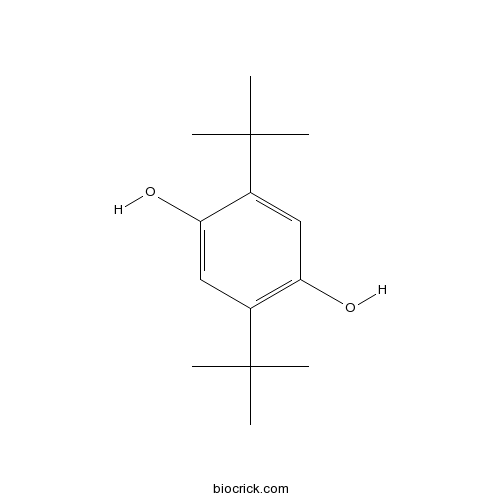
Inhibitor of SERCA ATPase
-
BCC6981
Cyclopiazonic acid
Cyclopiazonic acid (CPA), a neurotoxic secondary metabolite (SM) made by A. flavus, is a nanomolar inhibitor of endoplasmic reticulum calcium ATPase (Ca2+ATPase; SERCA) and a potent inducer of cell death in plants.

-
BCC6952
Thapsigargin
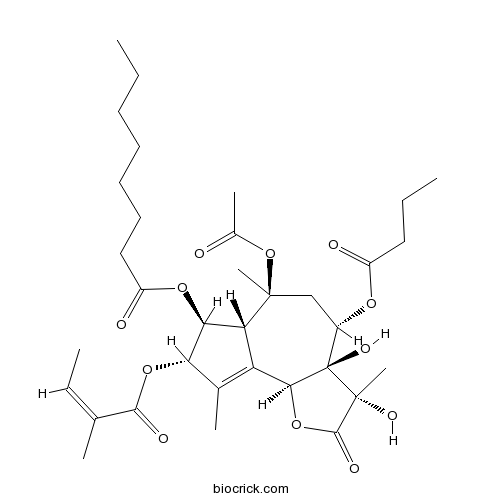
Thapsigargin is an inhibitor of microsomal Ca2+-ATPase. Thapsigargin is a well characterized Endoplasmic Reticulum (ER) stress inducing agent.
-
BCC2098
Disulfiram
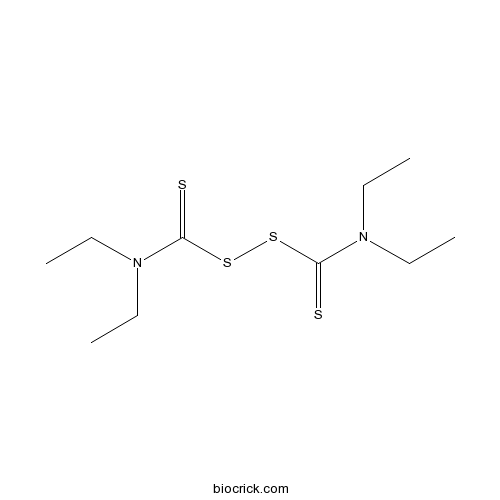
Disulfiram (Tetraethylthiuram disulfide) is a specific inhibitor of aldehyde-dehydrogenase (ALDH1), used for the treatment of chronic alcoholism by producing an acute sensitivity to alcohol. Disulfiram inhibits gasdermin D (GSDMD) pore formation in liposomes and inflammasome-mediated pyroptosis and IL-1β secretion in human and mouse cells[1-4].
-
BCC7008
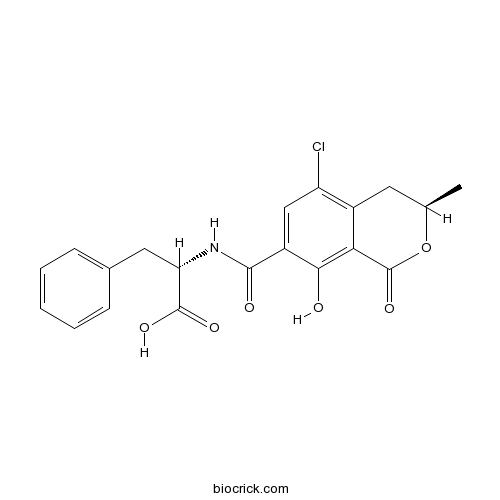
Ochratoxin A
303-47-9
-
BCC7235
Paxilline
Paxilline is an indole alkaloid mycotoxin from Penicillium paxilli, acts as a potent BK channels inhibitor by an almost exclusively closed-channel block mechanism. Paxilline also inhibits the sarco/endoplasmic reticulum Ca2+ ATPase (SERCA) with IC50s between 5 μM and 50 μM for differing isoforms. Paxilline possesses significant anticonvulsant activity.

-
BCN5653
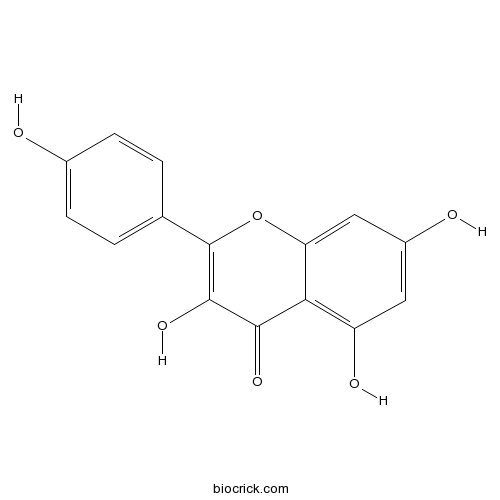
Kaempferol
Kaempferol inhibits estrogen receptor α expression in breast cancer cells and induces apoptosis in glioblastoma cells and lung cancer cells by activation of MEK-MAPK.
-
BCC4773
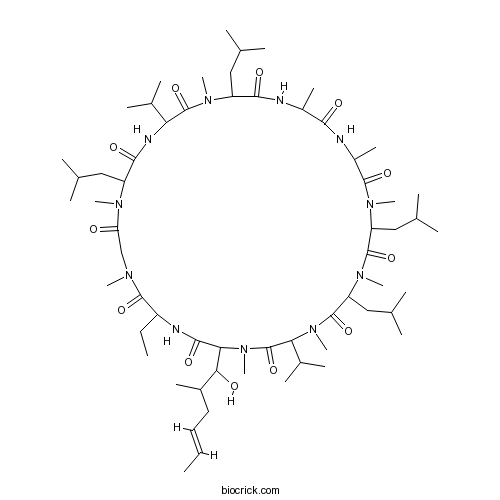
Cyclosporin A
Cyclosporin A is an immunosuppressant which binds to the cyclophilin and inhibits phosphatase activity of calcineurin with an IC50 of 5 nM. Cyclosporin A also inhibits CD11a/CD18 adhesion.
-
BCC5288
TRO 19622
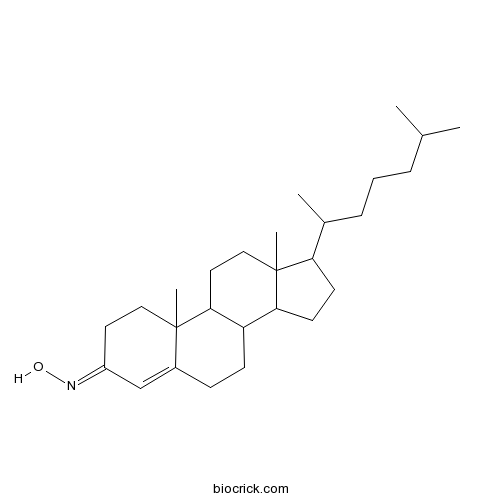
Olesoxime (TRO 19622) is a mitochondrial-targeted neuroprotective compound with mean EC50 value for increasing cell survival is 3.2±0.2 µM.