Ischemia-Reperfusion Injury Research
Ischemia/Reperfusion (I/R) injury is defined as the cellular damage that results from a period of ischemia that is followed by the reestablishment of the blood supply to the infarcted tissue.Myocardial ischemia, also known as cardiac ischemia, is defined as the deprivation of oxygen and nutrients to the heart. This phenomenon occurs during a myocardial infarction, when an occlusive thrombus within a coronary artery prevents blood supply to the myocardium, but can also occur during cardiac surgery as a result of pharmacological intervention to temporarily stop the heart. Reperfusion restores blood supply to ischemic tissue, but this is paradoxically associated with further tissue damage.
Ischemia-Reperfusion Injury Research Products Targets
- Adenosine A2B Receptor (7)
- Adenosine A2A Receptor (11)
- Oxidative Phosphorylation (6)
- NHE (3)
- p53 (20)
- Inhibitor of Apoptosis (3)
- Caspase (9)
- Bcl-2 Family (13)
- Apoptosis Inducing (36)
- 14.3.3 Protein (1)
- Voltage-gated Sodium (NaV) Channel (30)
- Voltage-gated Potassium (KV) Channel (38)
- Others (7)
- Calcium-Sensing Receptor (4)
- Calcium Binding Protein Modulator (18)
- Epithelial Sodium Channel (3)
- Calpain (7)
- Adenosine A3 Receptor (8)
- Adenosine A1 Receptor (12)
- ASK1 (2)
- Acid-Sensing Ion Channel (3)
- Calcium-Activated Potassium (KCa) Channel (19)
- Calcium-Sensitive Protease Modulator (12)
- Inward Rectifier Potassium (Kir) Channel (21)
- NCX (5)
- Mitochondrial Permeability Transition Pore (3)
- Mitochondrial Calcium Uniporter (1)
- Ca2+-ATPase (7)
Products for Ischemia-Reperfusion Injury Research - Page 9
- Cat.No. Product Name Information/Activity
-
BCN2318
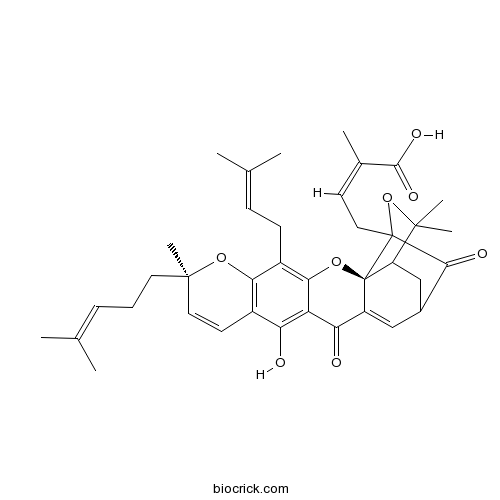
Gambogic acid
Gambogic Acid (Beta-Guttiferrin) is derived from the gamboges resin of the tree Garcinia hanburyi. Gambogic Acid (Beta-Guttiferrin) inhibits Bcl-XL, Bcl-2, Bcl-W, Bcl-B, Bfl-1 and Mcl-1 with IC50s of 1.47 μM, 1.21 μM, 2.02 μM, 0.66 μM, 1.06 μM and 0.79 μM.
-
BCC2228
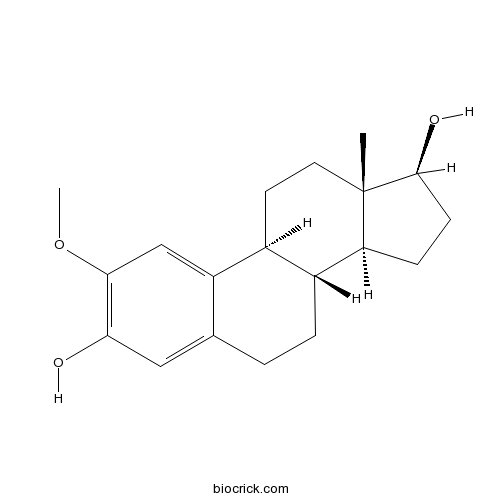
2-Methoxyestradiol (2-MeOE2)
2-Methoxyestradiol (2-ME2), an orally active endogenous metabolite of 17β-estradiol (E2), is an apoptosis inducer and an angiogenesis inhibitor with potent antineoplastic activity. 2-Methoxyestradiol also destablize microtubules.
-
BCC2388
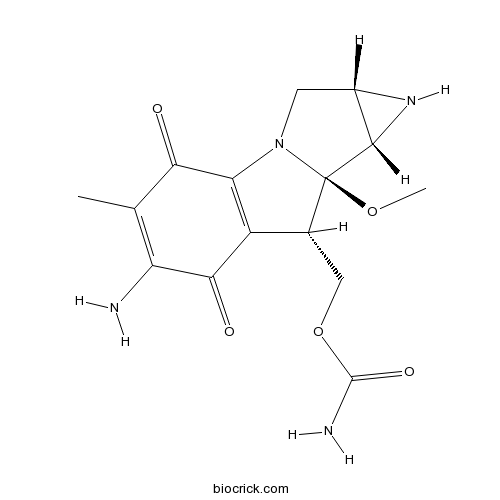
Mitomycin C
Rivaroxaban (BAY 59-7939) is a highly potent,selective and direct Factor Xa (FXa) inhibitor, achieving a strong gain in anti-FXa potency (IC50 0.7 nM; Ki 0.4 nM).
-
BCC8040
MPC 6827 hydrochloride
Verubulin hydrochloride (MPC-6827 hydrochloride) is a blood brain barrier permeable microtubule-disrupting agent, with potent and broad-spectrum in vitro and in vivo cytotoxic activities. Verubulin hydrochloride (MPC-6827 hydrochloride) exhibits potent anticancer activity in human MX-1 breast and other mouse xenograft cancer models. Verubulin hydrochloride (MPC 6827 hydrochloride) is a promising candidate for the treatment of multiple cancer types.

-
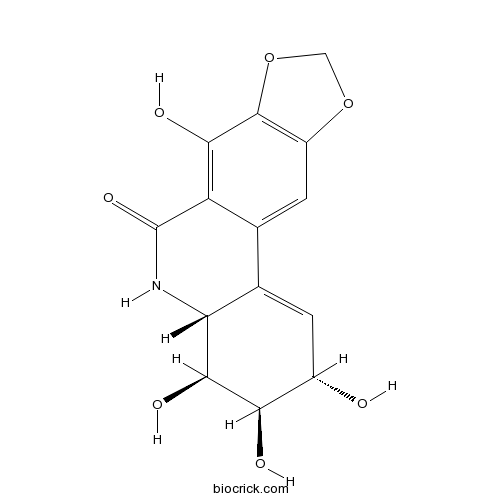
BCN4732
Narciclasine
Narciclasine is a plant growth modulator. Narciclasine modulates the Rho/Rho kinase/LIM kinase/cofilin signaling pathway, greatly increasing GTPase RhoA activity as well as inducing actin stress fiber formation in a RhoA-dependent manner.
-
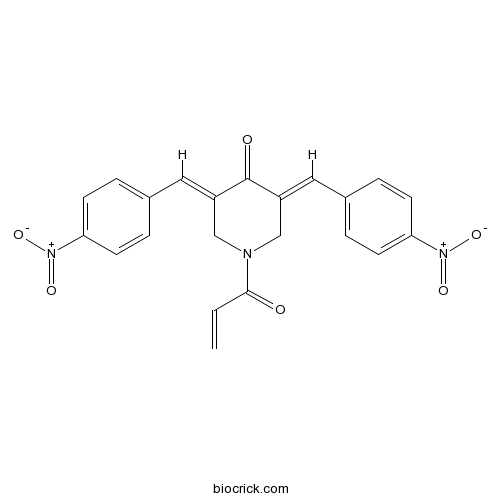
BCC2389
NSC 687852 (b-AP15)
b-AP15 is a specific inhibitor of the deubiquitinating enzymes UCHL5 and Usp14.
-
BCN5616
Oleanolic acid
Oleanolic acid (Caryophyllin) is a natural compound from plants with anti-tumor activities.

-
BCC2390
Oncrasin 1
Oncrasin-1 is a potent and effective anticancer inhibitor that kills various human lung cancer cells with K-Ras mutations at low or submicromolar concentrations; also led to abnormal aggregation of PKCι in nucleus of sensitive cells but not in resistant cells.

-
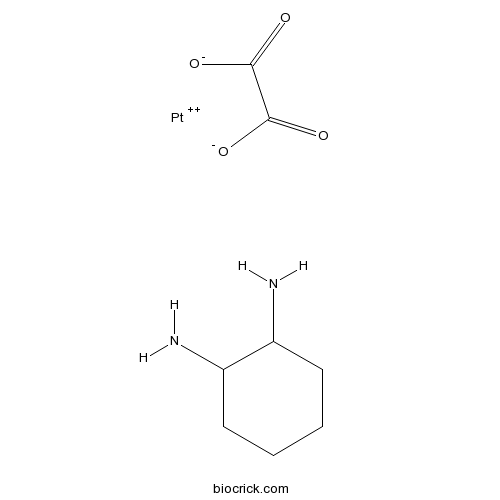
BCC3932
Oxaliplatin
Oxaliplatin is a DNA synthesis inhibitor. Oxaliplatin causes DNA crosslinking damage, prevents DNA replication and transcription and causes cell death. Oxaliplatin time-dependently inhibits human melanoma cell lines C32 and G361 with IC50 values of 0.98 μM and 0.14 μM, respectively. Oxaliplatin induces cell autophagy.
-
BCC2148
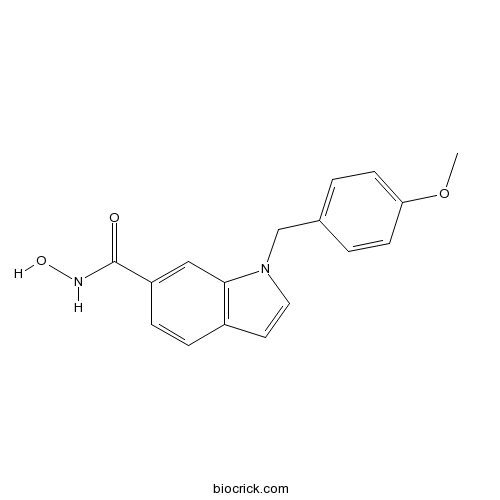
PCI-34051
PCI-34051 is a potent and selective HDAC8 inhibitor with IC50 of 10 nM, with >200-fold selectivity over the other HDAC isoforms.