
Ischemia-Reperfusion Injury Research
Ischemia/Reperfusion (I/R) injury is defined as the cellular damage that results from a period of ischemia that is followed by the reestablishment of the blood supply to the infarcted tissue.Myocardial ischemia, also known as cardiac ischemia, is defined as the deprivation of oxygen and nutrients to the heart. This phenomenon occurs during a myocardial infarction, when an occlusive thrombus within a coronary artery prevents blood supply to the myocardium, but can also occur during cardiac surgery as a result of pharmacological intervention to temporarily stop the heart. Reperfusion restores blood supply to ischemic tissue, but this is paradoxically associated with further tissue damage.
Ischemia-Reperfusion Injury Research Products Targets
- Adenosine A2B Receptor (7)
- Adenosine A2A Receptor (11)
- Oxidative Phosphorylation (6)
- NHE (3)
- p53 (20)
- Inhibitor of Apoptosis (3)
- Caspase (9)
- Bcl-2 Family (13)
- Apoptosis Inducing (36)
- 14.3.3 Protein (1)
- Voltage-gated Sodium (NaV) Channel (30)
- Voltage-gated Potassium (KV) Channel (38)
- Others (7)
- Calcium-Sensing Receptor (4)
- Calcium Binding Protein Modulator (18)
- Epithelial Sodium Channel (3)
- Calpain (7)
- Adenosine A3 Receptor (8)
- Adenosine A1 Receptor (12)
- ASK1 (2)
- Acid-Sensing Ion Channel (3)
- Calcium-Activated Potassium (KCa) Channel (19)
- Calcium-Sensitive Protease Modulator (12)
- Inward Rectifier Potassium (Kir) Channel (21)
- NCX (5)
- Mitochondrial Permeability Transition Pore (3)
- Mitochondrial Calcium Uniporter (1)
- Ca2+-ATPase (7)
Products for Ischemia-Reperfusion Injury Research - Page 13
- Cat.No. Product Name Information/Activity
-
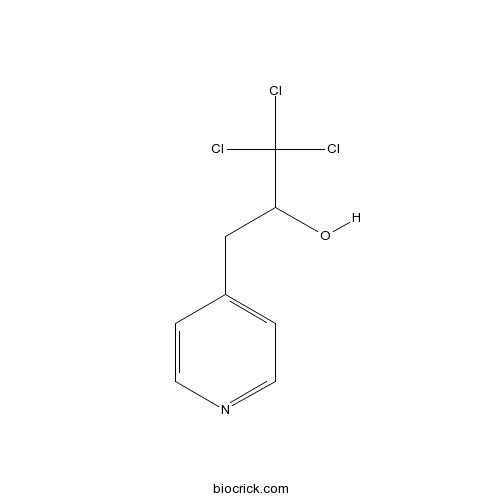
BCC2360
PETCM
PETCM is an activator of caspase-3 and acts as an cytochrome c (cyto c)-dependent manner. PETCM promotes Apaf-1 oligomerization and induces cell apoptosis in HeLa cells.
-
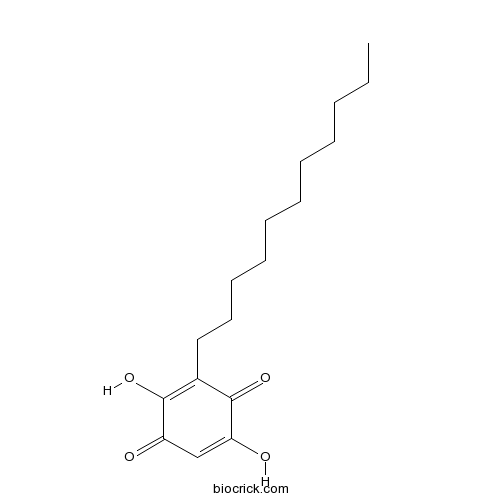
BCN2678
Embelin
Embelin is a cell-permeable benzoquinone compound that exhibits antitumor properties.
-
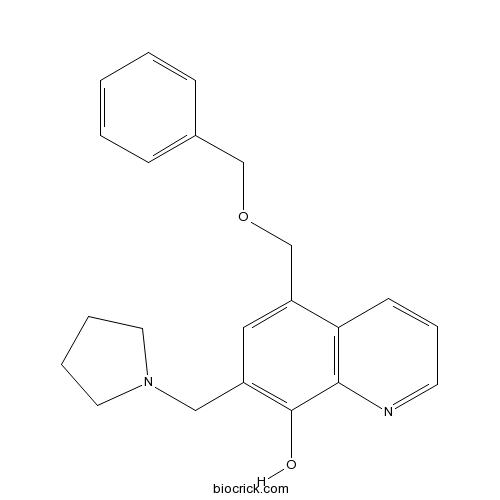
BCC8042
UC 112
UC-112 is a novel potent IAP(Inhibitor of apoptosis) inhibitor; potently inhibit cell growth in two human melanoma (A375 and M14) and two human prostate (PC-3 and DU145) cancer cell lines(IC50=0.7-3.4 uM).
-
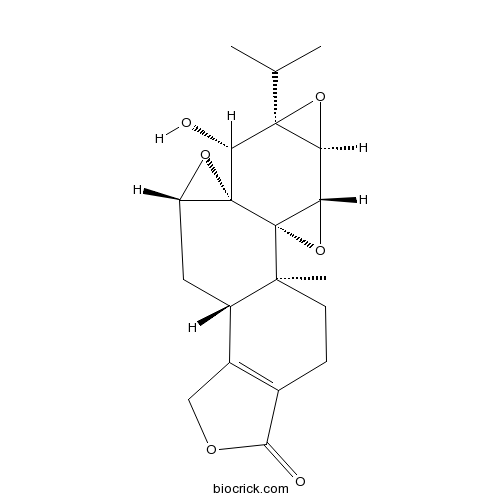
BCN5984
Triptolide
Triptolide is a diterpenoid triepoxide extracted from the root of Tripterygium wilfordii with immunosuppressive, anti-inflammatory and antiproliferative effects. Triptolide is a NF-κB activation inhibitor.
-
BCC2241
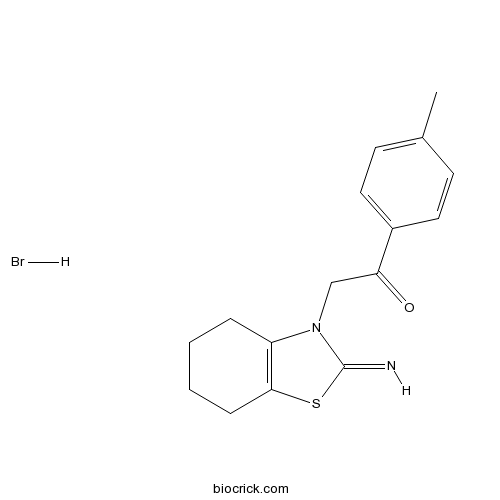
Pifithrin-α (PFTα)
Pifithrin-α hydrobromide is a p53 inhibitor which blocks its transcriptional activity and prevents cells from apoptosis. Pifithrin-α hydrobromide is also an aryl hydrocarbon receptor (AhR) agonist.
-
BCC2407
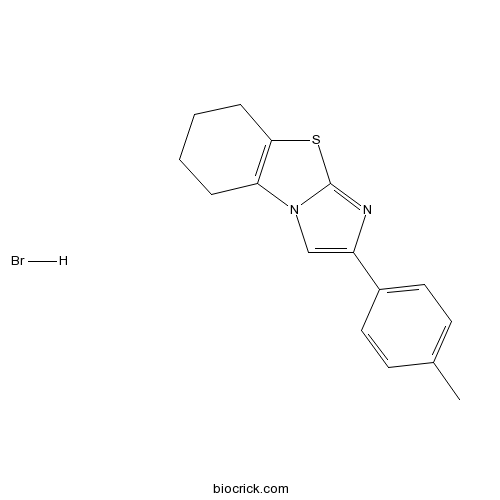
Cyclic Pifithrin-α hydrobromide
Pifithrin-β hydrobromide (PFT β hydrobromide) is a potent p53 inhibitor with an IC50 of 23 μM.
-
BCC2412
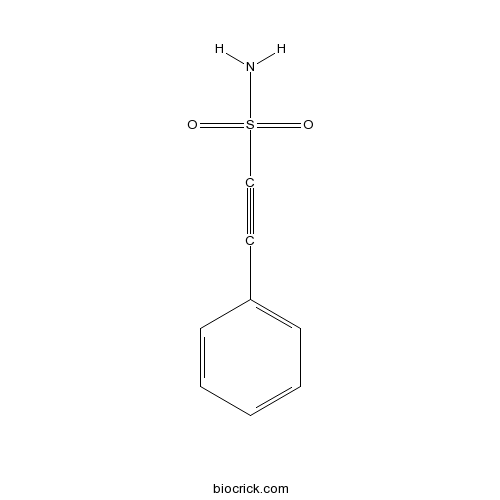
Pifithrin-μ
Pifithrin-μ is an inhibitor of p53 and HSP70, with antitumor and neuroprotective activity.
-
BCC2408
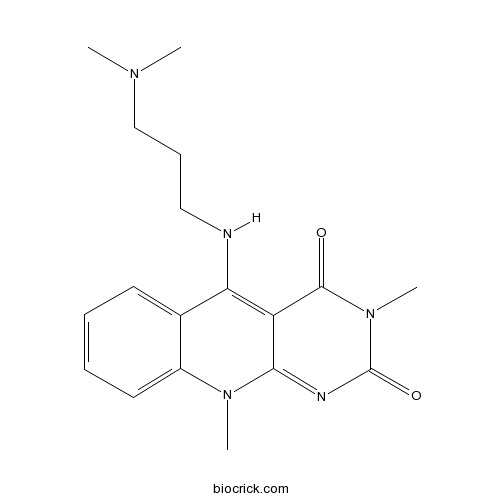
HLI 373
Hdm2 inhibitor; activates p53-dependent transcription
-
BCC2410
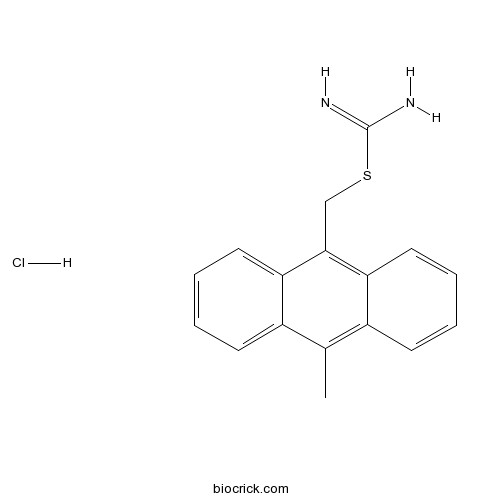
NSC 146109 hydrochloride
NSC 146109 hydrochloride is a small-molecule p53 activator that target MDMX and could be of value in treating breast cancer. NSC 146109 hydrochloride is a pseudourea derivative, promotes breast cancer cells to undergo apoptosis through activating p53 and inducing expression of proapoptotic genes[1].
-
BCC2242
NSC 319726
NSC319726 (ZMC1) is a mutant p53R175 reactivator; inhibits growth of fibroblasts expressing the p53R175 mutation (IC50 = 8 nM); shows no inhibition for p53 wild-type cells.