Antioxidant
An antioxidant is a molecule that inhibits the oxidation of other molecules. Oxidation is a chemical reaction that can produce free radicals, leading to chain reactions that may damage cells. Antioxidants such as thiols or ascorbic acid (vitamin C) terminate these chain reactions. The term "antioxidant" is mainly used for two different groups of substances: industrial chemicals which are added to products to prevent oxidation, and natural chemicals found in foods and body tissue which are said to have beneficial health effects.
Products for Antioxidant - Page 2
- Cat.No. Product Name Information/Activity
-
BCN5600
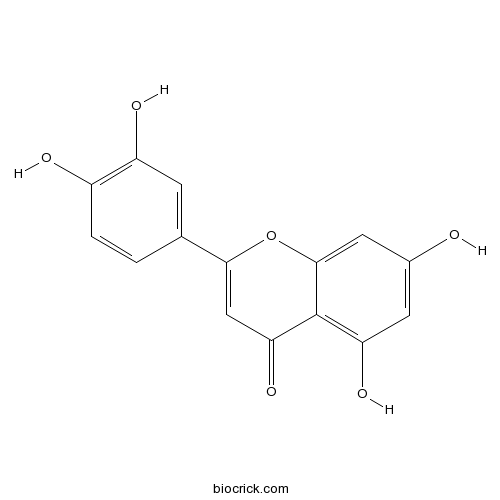
Luteolin
Luteolin (Luteolol) is a flavanoid with anti-inflammatory, anti-cancer properties, including the induction of apoptosis and cell cycle arrest, and the inhibition of metastasis and angiogenesis, in several cancer cell lines, including human non-small lung cancer cells.
-
BCC7005
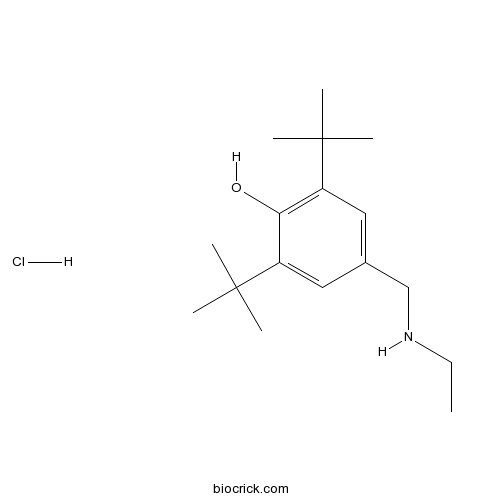
LY 231617
141545-89-3
-
BCC7941
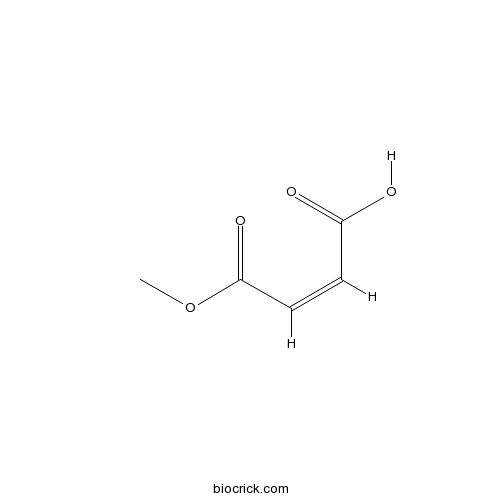
MMF
Monomethyl fumarate, an active metabolite of Dimethyl fumarate (DMF), is a potent GPR109A agonist. Monomethyl fumarate has the potential for multiple neuroprotective pathways and other models of retinal disease.
-
BCC4955
NXY-059
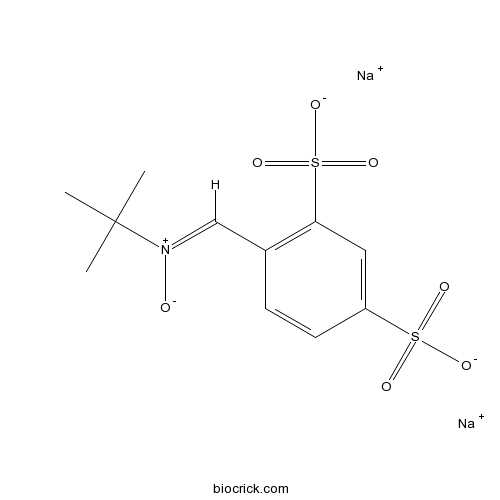
Disufenton sodium (NXY-059) is the disulfonyl derivative of the neuroprotective spin trap phenylbutynitrone(PBN), both NXY-059, its parent PBN and their hydrolysis/oxidation product MNT are very powerful scavengers of free radicals.
-
BCC4833
Probucol
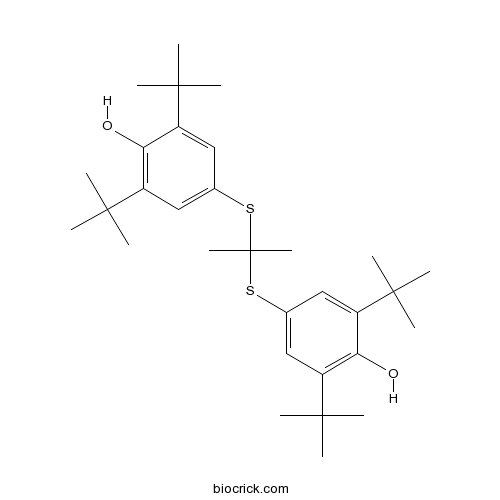
Probucol (DH-581) is an anti-hyperlipidemic drug by lowering the level of cholesterol in the bloodstream by increasing the rate of LDL catabolism.
-
BCN5607
Resveratrol
Resveratrol (trans-Resveratrol; SRT501), a natural polyphenolic phytoalexin that possesses anti-oxidant, anti-inflammatory, cardioprotective, and anti-cancer properties. Resveratrol (SRT 501) has a wide spectrum of targets including mTOR, JAK, β-amyloid, Adenylyl cyclase, IKKβ, DNA polymerase. Resveratrol also is a specific SIRT1 activator. Resveratrol is a potent pregnane X receptor (PXR) inhibitor.

-
BCC6481
Sanguinarine chloride
Sanguinarine chloride, a benzophenanthridine alkaloid derived from the root of Sanguinaria Canadensis, can stimulate apoptosis via activating the production of reactive oxygen species (ROS). Sanguinarine-induced apoptosis is associated with the activation of JNK and NF-κB.

-
BCN5763
Tanshinone IIA
Tanshinone IIA (Tan IIA) is one of the main fat-soluble compositions in the root of red-rooted salvia. Tanshinone IIA may suppress angiogenesis by targeting the protein kinase domains of VEGF/VEGFR2.

-
BCC4862
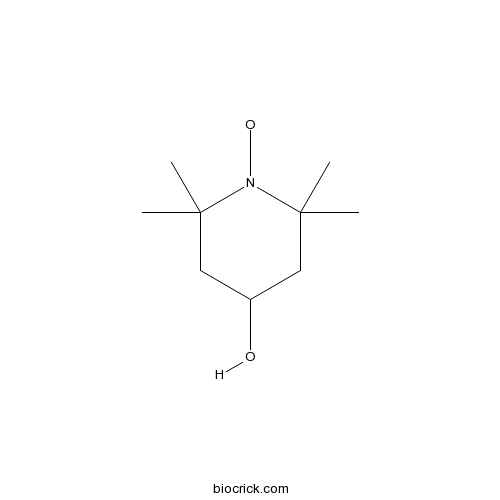
Tempol
Tempol is a general superoxide dismutase (SOD)-mimetic drug that efficiently neutralizes reactive oxygen species (ROS).