Alzheimer's Disease Research
Alzheimer's disease (AD), the most common type of dementia, is an irreversible and progressive neurodegenerative disorder causing cognitive and functional impairment. It is characterized by formation of protein aggregates and progressive loss of neurons in the central nervous system (CNS). The symptoms of AD include short-term memory loss, confusion, irritability, aggression and mood swings, progressing to long-term memory deficit, withdrawal from social interactions and subsequently a loss in higher central functioning.
Alzheimer's Disease Research Products Targets
- Others (23)
- Cyclooxygenase (24)
- Complement (2)
- AMPA Receptor (45)
- Nicotinic (α7) Receptor (25)
- Nicotinic (α4β2) Receptor (14)
- NMDA Receptor (87)
- Kainate Receptor (22)
- Microtubule (19)
- DYRK (3)
- Cholinesterase (10)
- Autophagy (44)
- Antioxidant (19)
- Amyloid beta Peptide (28)
- Estrogen and Related Receptor (33)
- Glycogen Synthase Kinase 3 (20)
- gamma-Secretase (9)
Products for Alzheimer's Disease Research
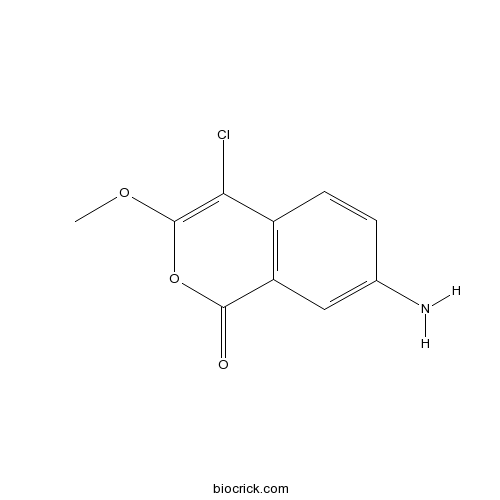
- Cat.No. Product Name Information/Activity
-
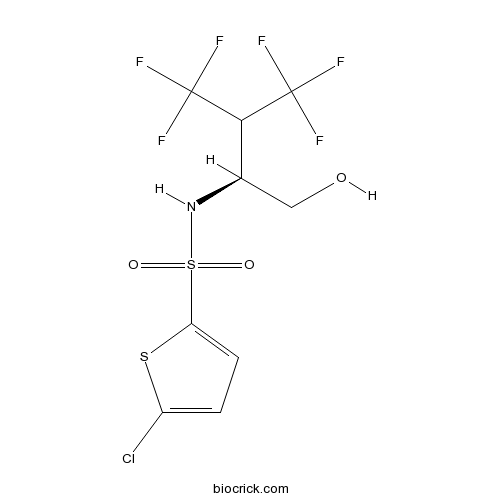
BCC2346
Begacestat
Begacestat (GSI-953) is a selective thiophene sulfonamide inhibitor of amyloid precursor protein gamma-secretase (IC50Aβ40=15 nM) for the treatment of Alzheimer's disease.
-
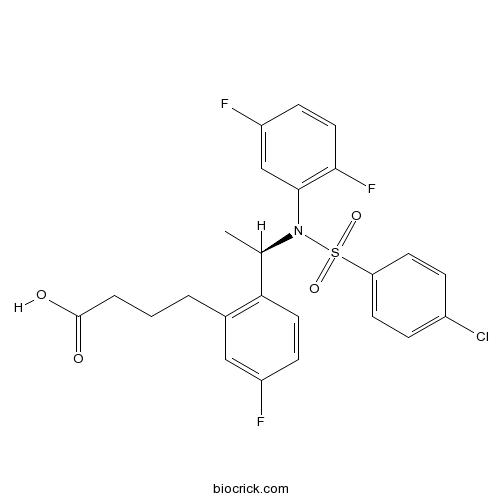
BCC2340
BMS 299897
BMS 299897 is a sulfonamide γ-secretase inhibitor with an IC50 of 7 nM for Aβ production inhibition in HEK293 cells stably overexpressing amyloid precursor protein (APP).
-
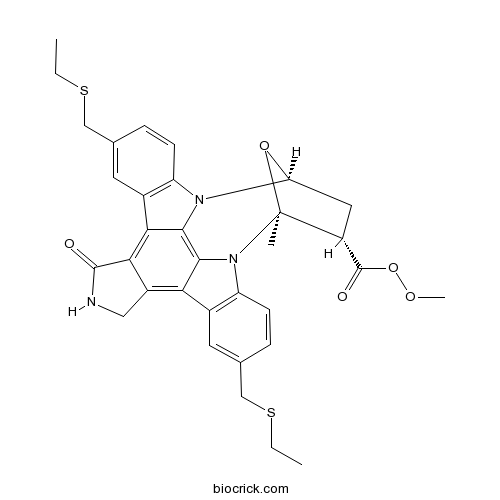
BCC7982
CEP 1347
156177-65-0
-
BCC7667
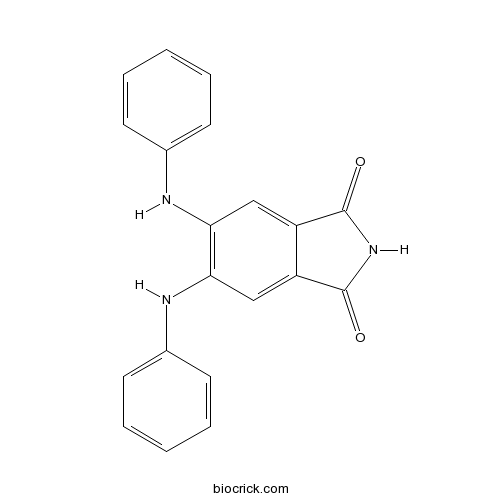
CGP 52411
CGP52411 (DAPH) is a high selective, potent, orally active and ATP-competitive EGFR inhibitor with an IC50 of 0.3 μM. CGP52411 blocks the toxic influx of Ca2+ ions into neuronal cells, and dramatic inhibits and reverses the formation of β-amyloid (Aβ42) fibril aggregates associated with Alzheimer's disease.
-
BCC7363
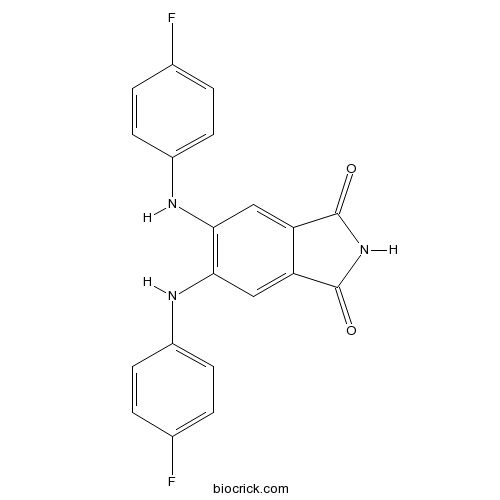
CGP 53353
145915-60-2
-
BCC2341
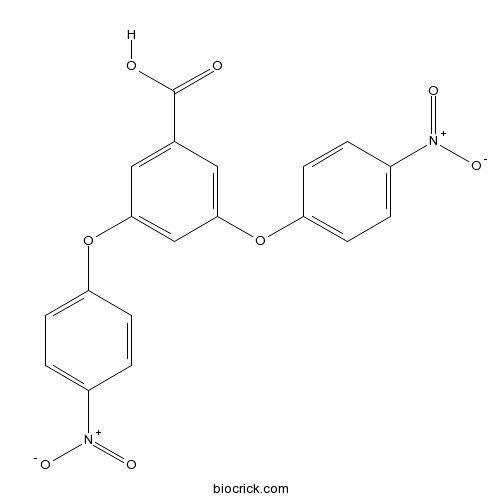
Compound W
173550-33-9
-
BCC3618
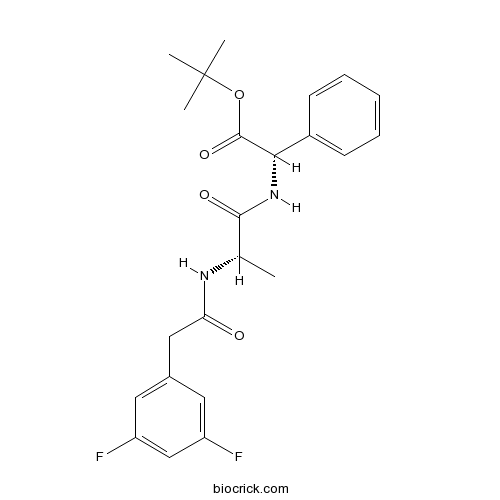
DAPT (GSI-IX)
DAPT (GSI-IX) is a potent and orally active γ-secretase inhibitor with IC50s of 115 nM and 200 nM for total amyloid-β (Aβ) and Aβ42, respectively. DAPT inhibits the activation of Notch 1 signaling and induces cell differentiation. DAPT also induces autophagy and apoptosis. DAPT has neuroprotection activity and has the potential for autoimmune and lymphoproliferative diseases, degenerative disease and cancers treatment.
-
BCN6326
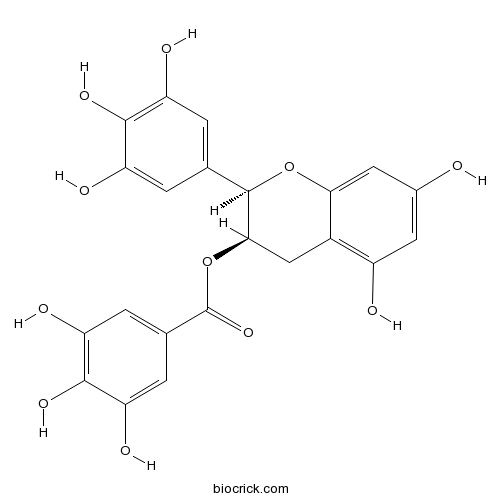
(-)-Epigallocatechin gallate
(-)-Epigallocatechin Gallate is a tea flavonoid with potent antioxidant, antiinflammatory, and anticarcinogenic properties. (-)-Epigallocatechin Gallate is reported to inhibit EGFR signaling and thereby exert anticancer effects. (-)-Epigallocatechin Gallate (EGCG) is a glutamate dehydrogenase 1/2 (GDH1/2, GLUD1/2) inhibitor. Epigallocatechin-3-gallate induces oxidative phosphorylation by activating cytochrome c oxidase.
-
BCC2342
Flurizan
Tarenflurbil ((R)-Flurbiprofen) is the R-enantiomer of the racemate NSAID Flurbiprofen, Tarenflurbil ((R)-Flurbiprofen) inhibits the binding of [3H]9-cis-RA to RXRα LBD with IC50 of 75 μM.

-
BCC2343
JLK 6
62252-26-0