Alzheimer's Disease Research
Alzheimer's disease (AD), the most common type of dementia, is an irreversible and progressive neurodegenerative disorder causing cognitive and functional impairment. It is characterized by formation of protein aggregates and progressive loss of neurons in the central nervous system (CNS). The symptoms of AD include short-term memory loss, confusion, irritability, aggression and mood swings, progressing to long-term memory deficit, withdrawal from social interactions and subsequently a loss in higher central functioning.
Alzheimer's Disease Research Products Targets
- Others (23)
- Cyclooxygenase (24)
- Complement (2)
- AMPA Receptor (45)
- Nicotinic (α7) Receptor (25)
- Nicotinic (α4β2) Receptor (14)
- NMDA Receptor (87)
- Kainate Receptor (22)
- Microtubule (19)
- DYRK (3)
- Cholinesterase (10)
- Autophagy (44)
- Antioxidant (19)
- Amyloid beta Peptide (28)
- Estrogen and Related Receptor (33)
- Glycogen Synthase Kinase 3 (20)
- gamma-Secretase (9)
Products for Alzheimer's Disease Research - Page 5
- Cat.No. Product Name Information/Activity
-
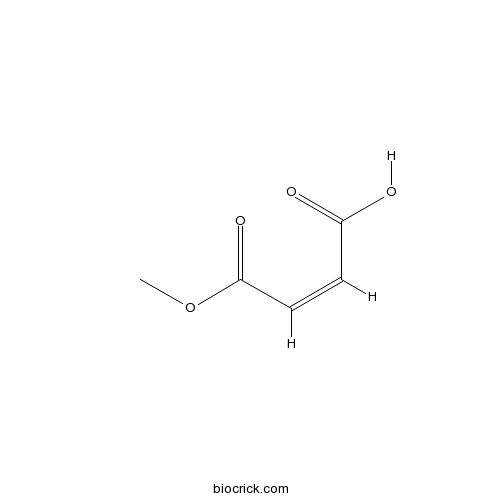
BCC7941
MMF
Monomethyl fumarate, an active metabolite of Dimethyl fumarate (DMF), is a potent GPR109A agonist. Monomethyl fumarate has the potential for multiple neuroprotective pathways and other models of retinal disease.
-
BCC4955
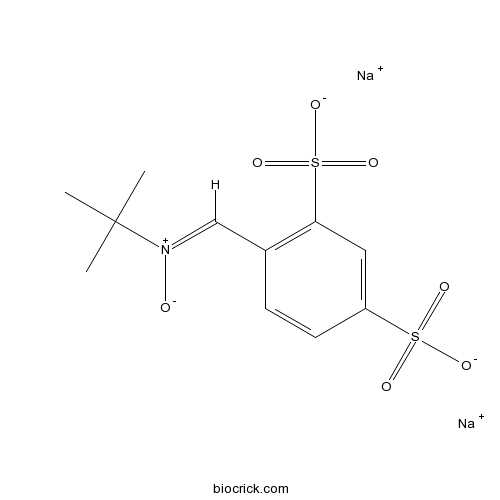
NXY-059
Disufenton sodium (NXY-059) is the disulfonyl derivative of the neuroprotective spin trap phenylbutynitrone(PBN), both NXY-059, its parent PBN and their hydrolysis/oxidation product MNT are very powerful scavengers of free radicals.
-
BCC4833
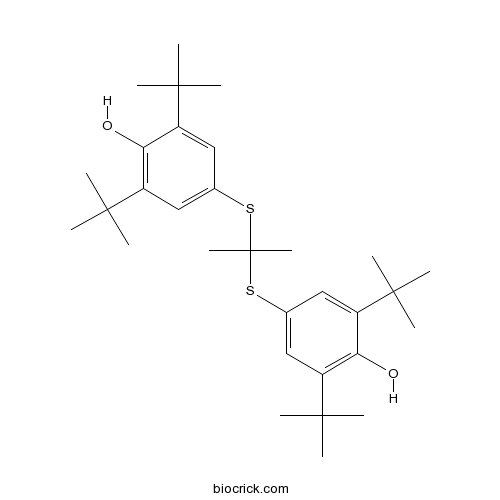
Probucol
Probucol (DH-581) is an anti-hyperlipidemic drug by lowering the level of cholesterol in the bloodstream by increasing the rate of LDL catabolism.
-
BCN5607
Resveratrol
Resveratrol (trans-Resveratrol; SRT501), a natural polyphenolic phytoalexin that possesses anti-oxidant, anti-inflammatory, cardioprotective, and anti-cancer properties. Resveratrol (SRT 501) has a wide spectrum of targets including mTOR, JAK, β-amyloid, Adenylyl cyclase, IKKβ, DNA polymerase. Resveratrol also is a specific SIRT1 activator. Resveratrol is a potent pregnane X receptor (PXR) inhibitor.

-
BCC6481
Sanguinarine chloride
Sanguinarine chloride, a benzophenanthridine alkaloid derived from the root of Sanguinaria Canadensis, can stimulate apoptosis via activating the production of reactive oxygen species (ROS). Sanguinarine-induced apoptosis is associated with the activation of JNK and NF-κB.

-
BCC4862
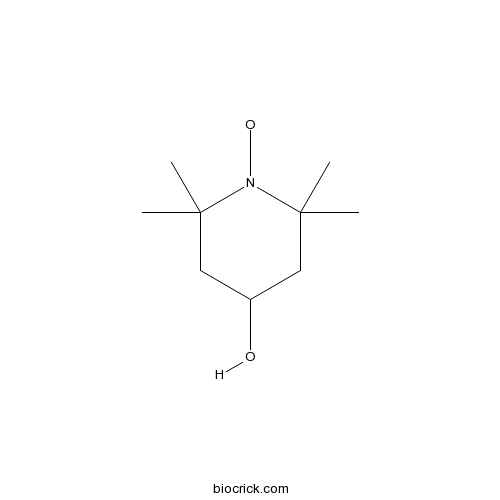
Tempol
Tempol is a general superoxide dismutase (SOD)-mimetic drug that efficiently neutralizes reactive oxygen species (ROS).
-
BCC3914
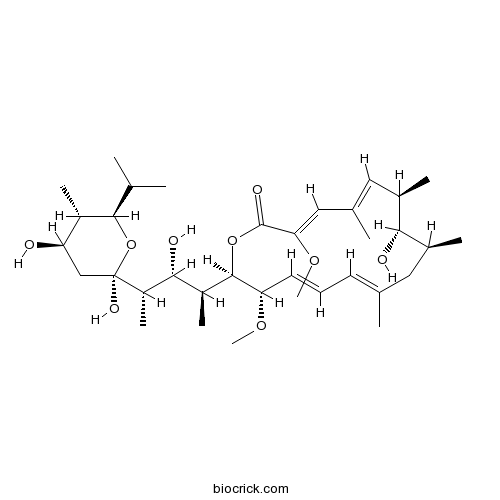
Bafilomycin A1
Bafilomycin A1, a macrolide antibiotic isolated from the Streptomyces species, is a specific inhibitor of vacuolar-type H+ ATPase (V-ATPase). Bafilomycin A1 inhibits autophagy and induces apoptosis.
-
BCC3918
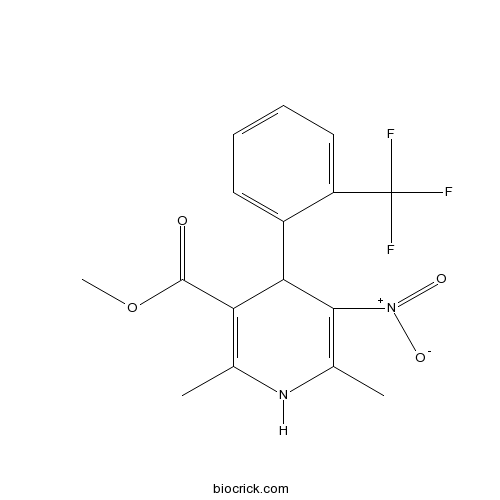
(±)-Bay K 8644
Ca<sup>2+</sup> channel activator (L-type); aids generation of iPSCs from MEFs
-
BCC3919
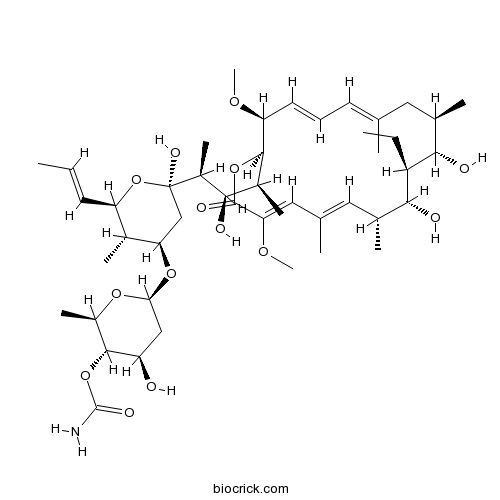
Concanamycin A
Concanamycin A (Antibiotic X 4357B) is a macrolide antibiotic and a specific vacuolar type H+-ATPase (V-ATPase) inhibitor.
-
BCC3916
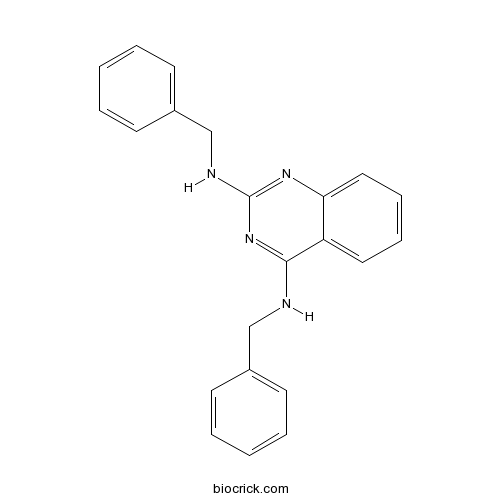
DBeQ
DBeQ is a selective, potent, reversible, and ATP-competitive p97 inhibitor, with an IC50 value of 1.5 μM and 1.6 μM for p97(wt) and p97(C522A), respectively; DBeQ also inhibits Vps4 with an IC50 of 11.5 μM.