
Alzheimer's Disease Research
Alzheimer's disease (AD), the most common type of dementia, is an irreversible and progressive neurodegenerative disorder causing cognitive and functional impairment. It is characterized by formation of protein aggregates and progressive loss of neurons in the central nervous system (CNS). The symptoms of AD include short-term memory loss, confusion, irritability, aggression and mood swings, progressing to long-term memory deficit, withdrawal from social interactions and subsequently a loss in higher central functioning.
Alzheimer's Disease Research Products Targets
- Others (23)
- Cyclooxygenase (24)
- Complement (2)
- AMPA Receptor (45)
- Nicotinic (α7) Receptor (25)
- Nicotinic (α4β2) Receptor (14)
- NMDA Receptor (87)
- Kainate Receptor (22)
- Microtubule (19)
- DYRK (3)
- Cholinesterase (10)
- Autophagy (44)
- Antioxidant (19)
- Amyloid beta Peptide (28)
- Estrogen and Related Receptor (33)
- Glycogen Synthase Kinase 3 (20)
- gamma-Secretase (9)
Products for Alzheimer's Disease Research - Page 40
- Cat.No. Product Name Information/Activity
-
BCC7482
TCS 46b
302799-86-6

-
BCC6984
CCMQ
132623-44-0

-
BCC7862
CIQ
CIQ is a subunit-selective potentiator of NMDA receptors containing the NR2C or NR2D subunit.

-
BCC2946
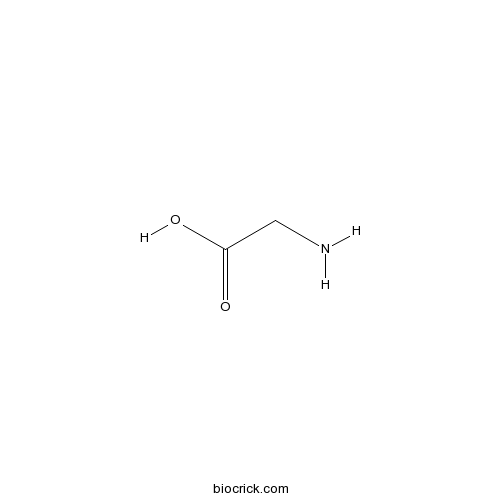
H-Gly-OH
Glycine is an inhibitory neurotransmitter in the CNS and also acts as a co-agonist along with glutamate, facilitating an excitatory potential at the glutaminergic N-methyl-D-aspartic acid (NMDA) receptors.
-
BCC5888
MNI-caged-NMDA
1227675-52-6

-
BCC7292
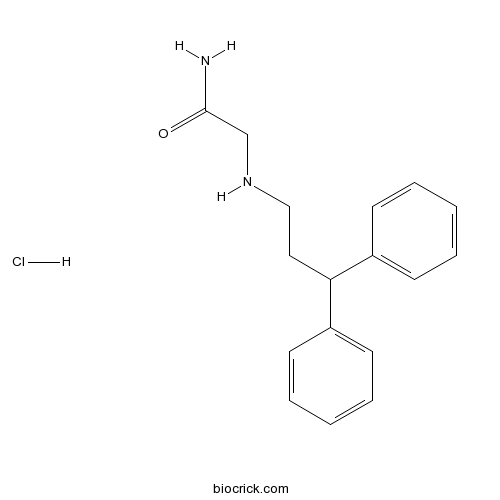
N20C hydrochloride
1177583-87-7
-
BCC4504
Nefiracetam
Nefiracetam is a GABAergic, cholinergic, and monoaminergic neuronal systems enhancer for Ro 5-4864-induced convulsions.

-
BCC2676
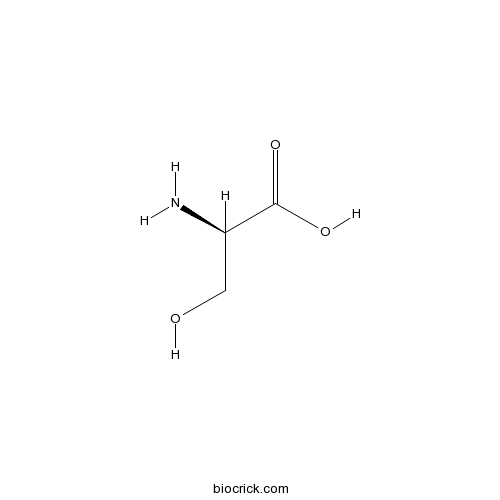
H-D-Ser-OH
(R)-Serine, an endogenous amino acid involved in glia-synapse interactions that has unique neurotransmitter characteristics, is a potent co-agonist at the NMDA glutamate receptor. (R)-Serine has a cardinal modulatory role in major NMDAR-dependent processes including NMDAR-mediated neurotransmission, neurotoxicity, synaptic plasticity, and cell migration.
-
BCC6864
Spermine tetrahydrochloride
Spermine tetrahydrochloride is an endogenous metabolite.