Alzheimer's Disease Research
Alzheimer's disease (AD), the most common type of dementia, is an irreversible and progressive neurodegenerative disorder causing cognitive and functional impairment. It is characterized by formation of protein aggregates and progressive loss of neurons in the central nervous system (CNS). The symptoms of AD include short-term memory loss, confusion, irritability, aggression and mood swings, progressing to long-term memory deficit, withdrawal from social interactions and subsequently a loss in higher central functioning.
Alzheimer's Disease Research Products Targets
- Others (23)
- Cyclooxygenase (24)
- Complement (2)
- AMPA Receptor (45)
- Nicotinic (α7) Receptor (25)
- Nicotinic (α4β2) Receptor (14)
- NMDA Receptor (87)
- Kainate Receptor (22)
- Microtubule (19)
- DYRK (3)
- Cholinesterase (10)
- Autophagy (44)
- Antioxidant (19)
- Amyloid beta Peptide (28)
- Estrogen and Related Receptor (33)
- Glycogen Synthase Kinase 3 (20)
- gamma-Secretase (9)
Products for Alzheimer's Disease Research - Page 27
- Cat.No. Product Name Information/Activity
-
BCC7789
NPEC-caged-(S)-AMPA
1257323-84-4

-
BCC6568
L-Quisqualic acid
52809-07-1

-
BCC6931
CFM-2
CFM-2 is a selective non-competitive AMPAR antagonist.

-
BCC6569
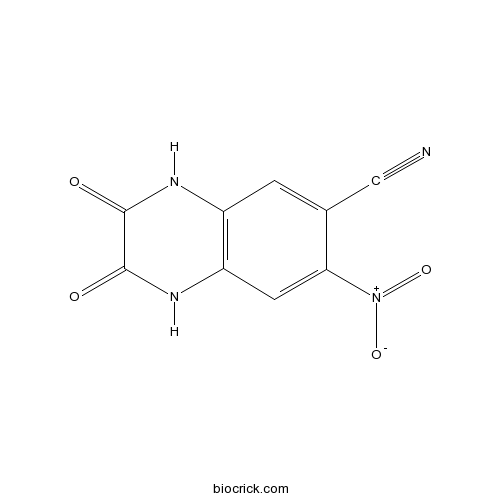
CNQX
CNQX (FG9065) is a potent AMPA/kainate receptor antagonist.
-
BCC6908
CNQX disodium salt
479347-85-8

-
BCC7520
CP 465022 hydrochloride
199655-36-2

-
BCC6815
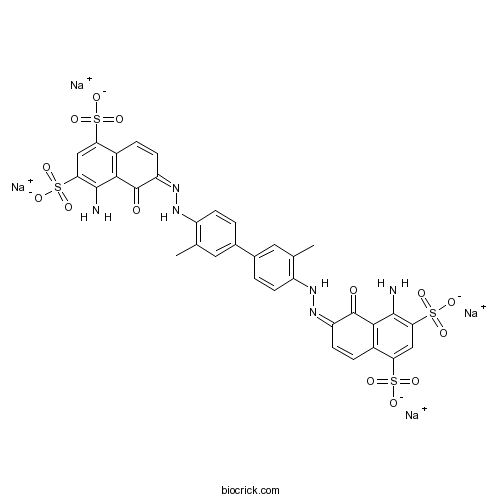
Evans Blue tetrasodium salt
Selective P2X purinergic antagonist,Evans Blue is a potent inhibitor of L-glutamate uptake via the membrane bound excitatory amino acid transporter (EAAT).
-
BCC7566
GYKI 47261 dihydrochloride
1217049-32-5

-
BCC7072
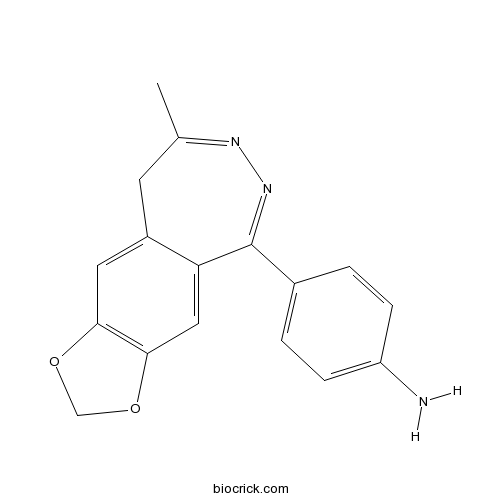
GYKI 52466 dihydrochloride
102771-26-6
-
BCC7407
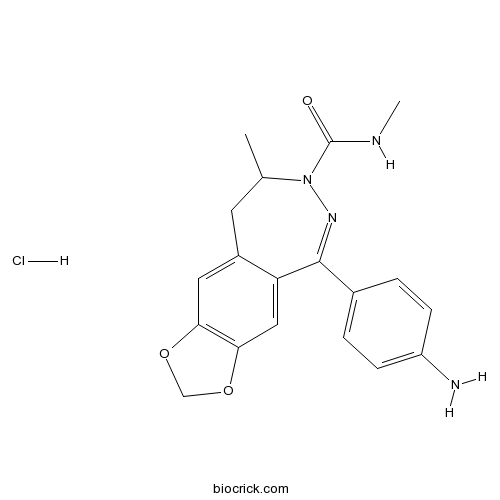
GYKI 53655 hydrochloride
GYKI53655 hydrochloride is an α-amino-3-hydroxy-5-methylisoxazole-4-propionic acid (AMPA) antagonist.