
Alzheimer's Disease Research
Alzheimer's disease (AD), the most common type of dementia, is an irreversible and progressive neurodegenerative disorder causing cognitive and functional impairment. It is characterized by formation of protein aggregates and progressive loss of neurons in the central nervous system (CNS). The symptoms of AD include short-term memory loss, confusion, irritability, aggression and mood swings, progressing to long-term memory deficit, withdrawal from social interactions and subsequently a loss in higher central functioning.
Alzheimer's Disease Research Products Targets
- Others (23)
- Cyclooxygenase (24)
- Complement (2)
- AMPA Receptor (45)
- Nicotinic (α7) Receptor (25)
- Nicotinic (α4β2) Receptor (14)
- NMDA Receptor (87)
- Kainate Receptor (22)
- Microtubule (19)
- DYRK (3)
- Cholinesterase (10)
- Autophagy (44)
- Antioxidant (19)
- Amyloid beta Peptide (28)
- Estrogen and Related Receptor (33)
- Glycogen Synthase Kinase 3 (20)
- gamma-Secretase (9)
Products for Alzheimer's Disease Research - Page 21
- Cat.No. Product Name Information/Activity
-
BCC5862
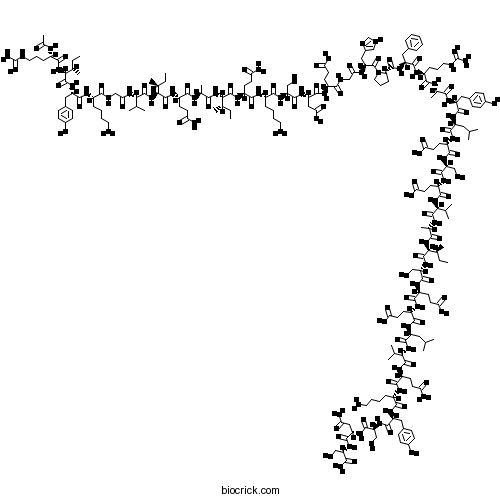
Nogo-66 (1-40)
475221-20-6
-
BCC7943
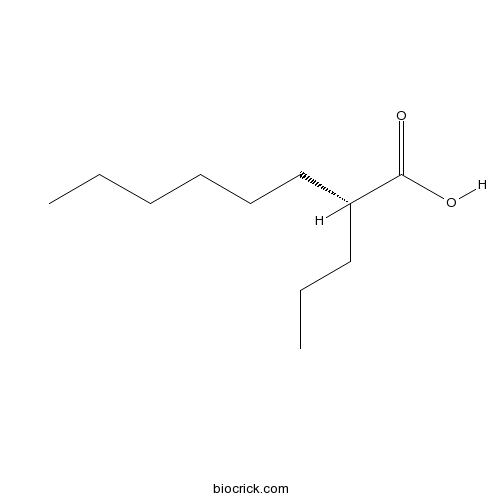
ONO 2506
Arundic acid (ONO-2506) is an astrocyte-modulating agent, which delays the expansion of cerebral infarcts by modulating the activation of astrocytes through inhibition of S-100β synthesis. Arundic acid (ONO-2506) has been developed as a therapeutic agent for stroke and Alzheimer’s disease.
-
BCC5920
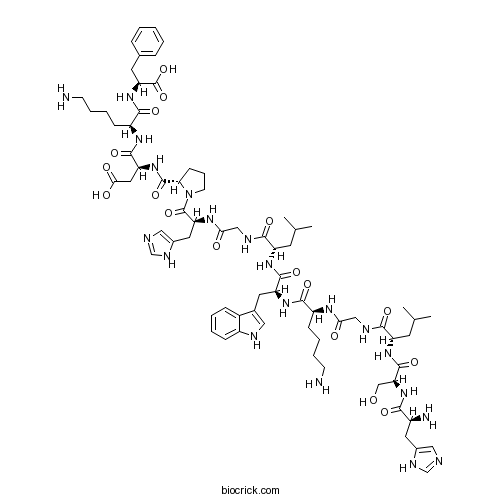
PLP (139-151)
[SER140]-PLP(139-151) is a fragment of myelin proteolipid protein.
-
BCC6027
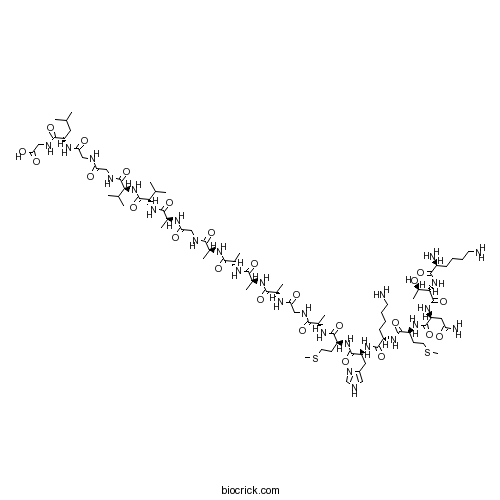
Prion Protein 106-126 (human)
148439-49-0
-
BCC5999
TCS PrP Inhibitor 13
34320-83-7

-
BCC7995
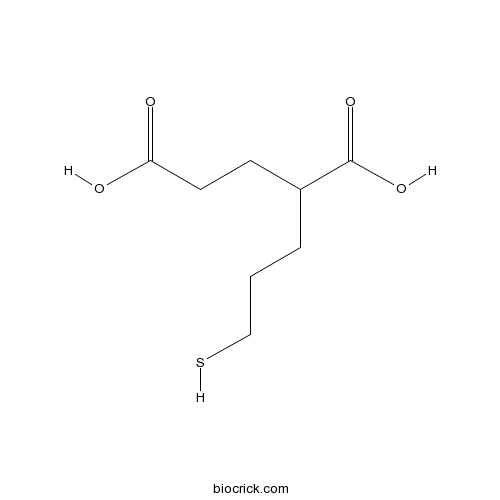
2-MPPA
254737-29-6
-
BCC1327
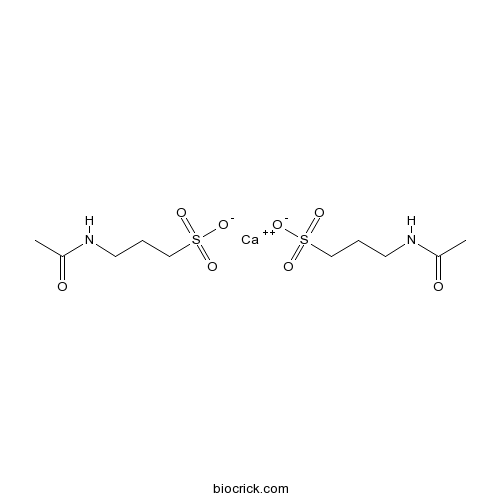
Acamprosate calcium
Acamprosate calcium(Campral EC) is a GABA receptor agonist and modulator of glutamatergic systems; reduces alcohol consumption in animal models of alcohol addiction.
-
BCC6634
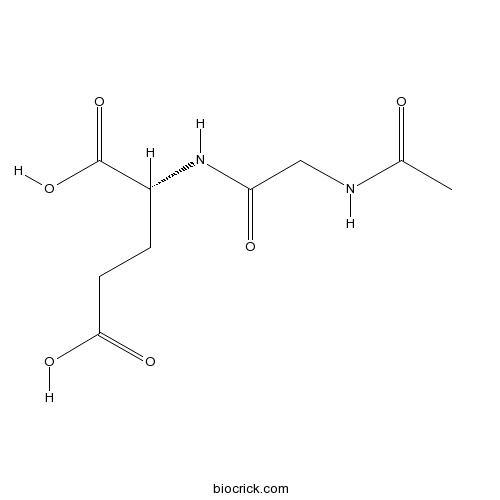
N-Acetylglycyl-D-glutamic acid
135701-69-8
-
BCC6612
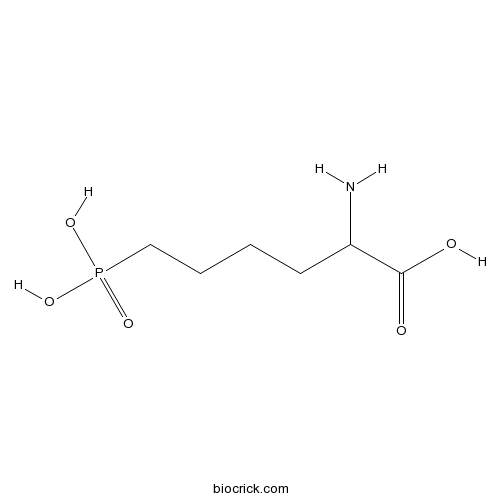
L-AP6
78944-89-5
-
BCC7400
L-BMAA hydrochloride
16012-55-8