
Alzheimer's Disease Research
Alzheimer's disease (AD), the most common type of dementia, is an irreversible and progressive neurodegenerative disorder causing cognitive and functional impairment. It is characterized by formation of protein aggregates and progressive loss of neurons in the central nervous system (CNS). The symptoms of AD include short-term memory loss, confusion, irritability, aggression and mood swings, progressing to long-term memory deficit, withdrawal from social interactions and subsequently a loss in higher central functioning.
Alzheimer's Disease Research Products Targets
- Others (23)
- Cyclooxygenase (24)
- Complement (2)
- AMPA Receptor (45)
- Nicotinic (α7) Receptor (25)
- Nicotinic (α4β2) Receptor (14)
- NMDA Receptor (87)
- Kainate Receptor (22)
- Microtubule (19)
- DYRK (3)
- Cholinesterase (10)
- Autophagy (44)
- Antioxidant (19)
- Amyloid beta Peptide (28)
- Estrogen and Related Receptor (33)
- Glycogen Synthase Kinase 3 (20)
- gamma-Secretase (9)
Products for Alzheimer's Disease Research - Page 36
- Cat.No. Product Name Information/Activity
-
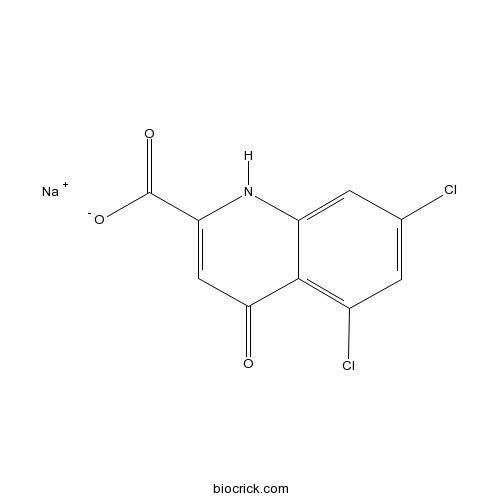
BCC7758
5,7-Dichlorokynurenic acid sodium salt
1184986-70-6
-
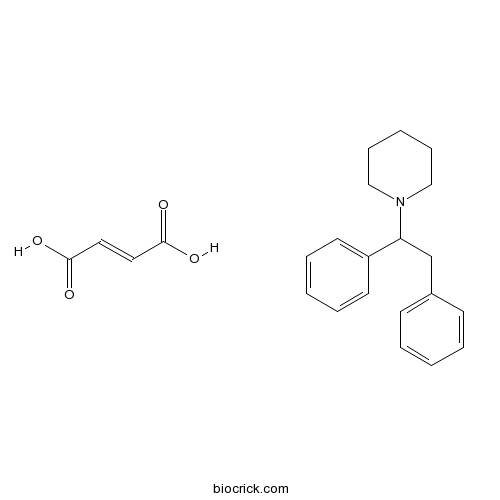
BCC6619
(±)-1-(1,2-Diphenylethyl)piperidine maleate
207461-99-2
-
BCC6205
DQP 1105
380560-89-4

-
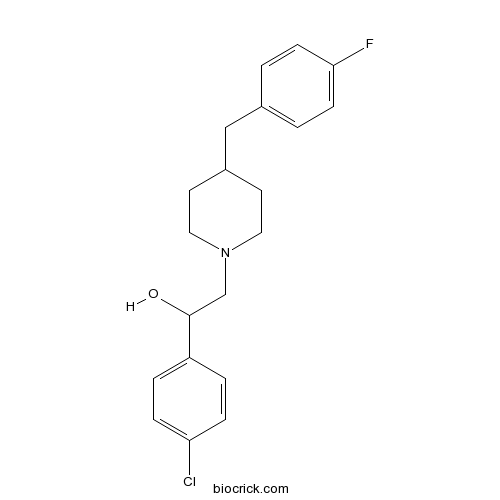
BCC7280
Eliprodil
Eliprodil(SL-820715) is a non-competitive NR2B-NMDA receptor antagonist(IC50=1 uM), less potent for NR2A- and NR2C-containing receptors(IC50> 100 uM).
-
BCC4904
Felbamate
Felbamate (W-554) is a potent nonsedative anticonvulsant whose clinical effect may be related to the inhibition of N-methyl-D-aspartate (NMDA).

-
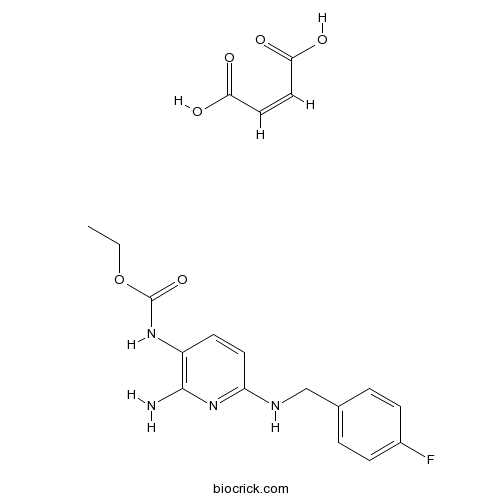
BCC4456
Flupirtine maleate
Flupirtine Maleate(D 9998) is a selective neuronal potassium channel opener that also has NMDA receptor antagonist properties.
-
BCC7340
Gavestinel
153436-38-5

-
BCC6589
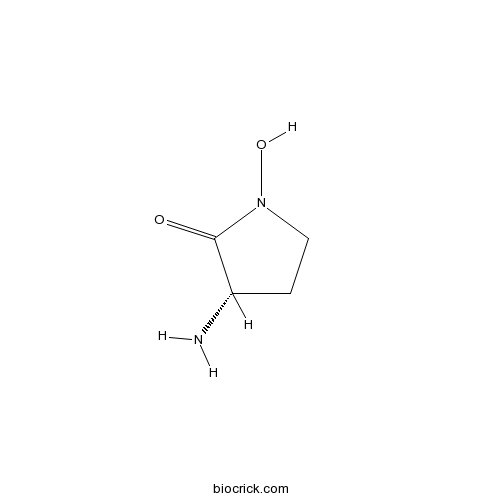
(S)-(-)-HA-966
111821-58-0
-
BCC5946
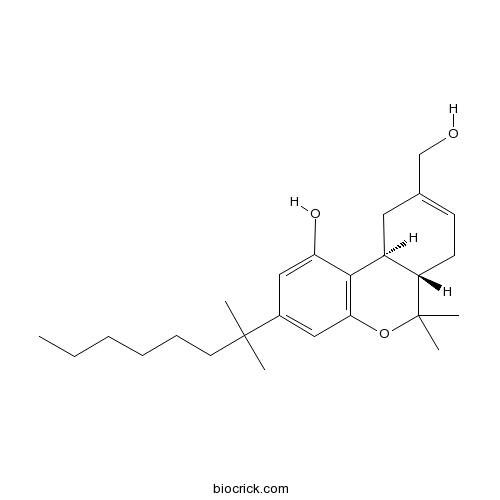
HU 211
Dexanabinol (HU-211) is an artificially synthesized cannabinoid derivative and lacks cannabimimetic effects. Dexanabinol exhibits not only the antioxidant and neuroprotective activities in brain but also anti-inflammatory activity by inhibiting NF-κB and decreasing cytokines such as TNFα and interleukin-6, which could ensure the integrity of BBB and reduce cell apoptosis and death. Dexanabinol is widely used in head injury or stroke treatment and has been shown to be safe in animals and humans.
-
BCC6594
N-(4-Hydroxyphenylacetyl)spermine
130210-32-1