
Autophagy
Autophagy is a process by which a cell breaks down macromolecules in response to starvation or stress signals. While it is closely linked with apoptosis, autophagy is primarily characterized as a catabolic mechanism by which cellular energy homeostasis is maintained.
Products for Autophagy - Page 5
- Cat.No. Product Name Information/Activity
-
BCC3676
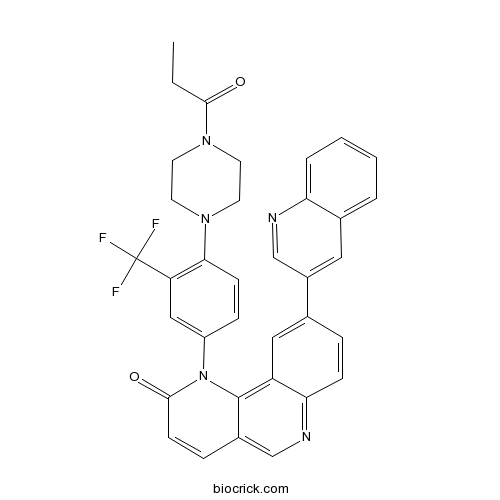
Torin 1
Torin 1 is a potent inhibitor of mTOR with an IC50 of 3 nM. Torin 1 inhibits both mTORC1/2 complexes with IC50 values between 2 and 10 nM. Torin 1 is an effective inducer of autophagy.
-
BCC7699
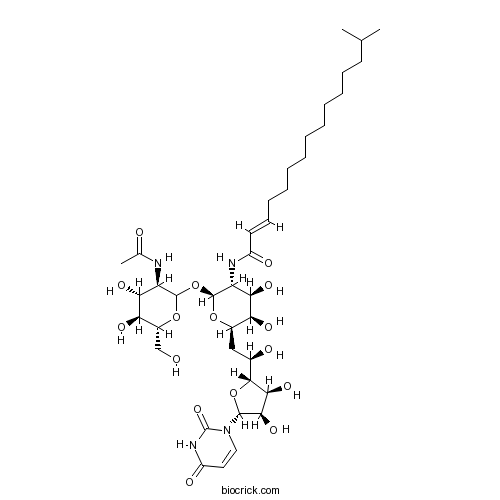
Tunicamycin
Tunicamycin is a mixture of homologous nucleoside antibiotic that inhibits N-linked glycosylation and blocks GlcNAc phosphotransferase (GPT). Tunicamycin causes accumulation of unfolded proteins in cell endoplasmic reticulum (ER) and induces ER stress, and causes blocking of DNA synthesis and cell cycle arrest in G1 phase. Tunicamycin inhibits gram-positive bacteria, yeasts, fungi, and viruses and has anti-cancer activity.
-
BCC2156
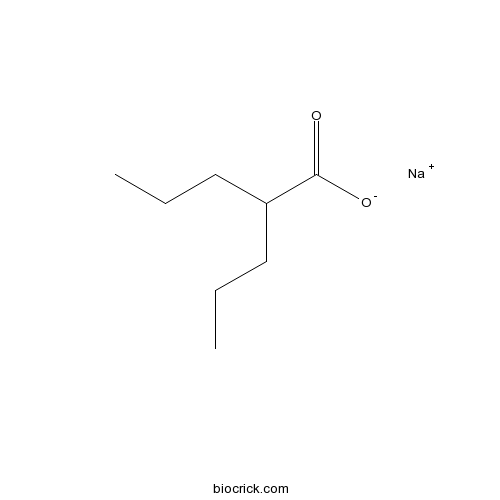
Valproic acid sodium salt (Sodium valproate)
Valproic acid sodium salt (Sodium Valproate) is an HDAC inhibitor, with IC50 in the range of 0.5 and 2 mM, also inhibits HDAC1 (IC50, 400 μM), and induces proteasomal degradation of HDAC2. Valproic acid sodium salt activates Notch1 signaling and inhibits proliferation in small cell lung cancer (SCLC) cells. Valproic acid sodium salt is used in the treatment of epilepsy, bipolar disorder and prevention of migraine headaches.
-
BCC4747
Verapamil HCl
Verapamil hydrochloride ((±)-Verapamil hydrochloride) is a calcium channel antagonist.