Post-Translational Modification
Post-translational modifications are chemical changes to a protein that occur after translation widening the range of functions of the final protein. Many modifications occur in the RER (rough endoplasmic reticulum). There are five types of post-translational modification.
Products for Post-Translational Modification
- Cat.No. Product Name Information/Activity
-
BCC2244
Bay 11-7821(BAY 11-7082)
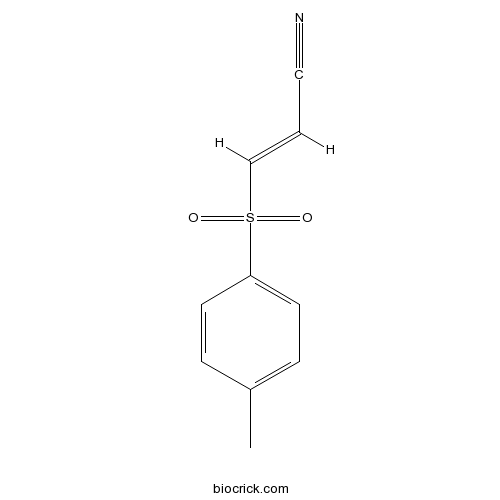
BAY 11-7082 is an IκBα phosphorylation and NF-κB inhibitor. BAY 11-7082 selectively and irreversibly inhibits the TNF-α-induced phosphorylation of IκB-α, and decreases NF-κB and expression of adhesion molecules. BAY 11-7082 inhibits ubiquitin-specific protease USP7 and USP21 (IC50=0.19, 0.96 μM, respectively). BAY 11-7082 inhibits gasdermin D (GSDMD) pore formation in liposomes and inflammasome-mediated pyroptosis and IL-1β secretion in human and mouse cells.
-
BCC4546
C646
C646 is a selective and competitive histone acetyltransferase p300 inhibitor with Ki of 400 nM, and is less potent for other acetyltransferases.

-
BCC4200
CC0651
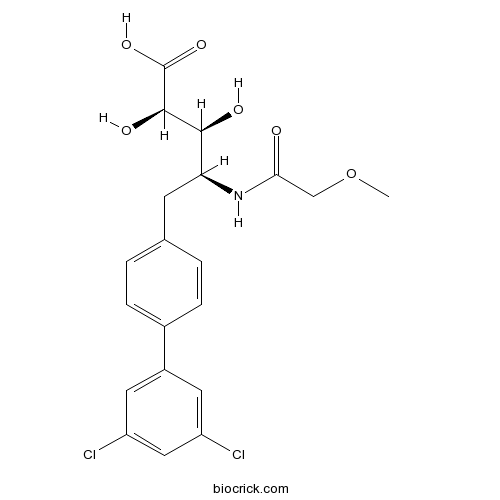
CC0651 is an allosteric inhibitor of the human Cdc34 ubiquitin-conjugating enzyme. CC0651 potently (IC50=1.72 μM) inhibits the ubiquitination of p27Kip1, as confirmed by dose-response analysis.
-
BCC7685
Tris DBA
51364-51-3

-
BCN3894
Gliotoxin
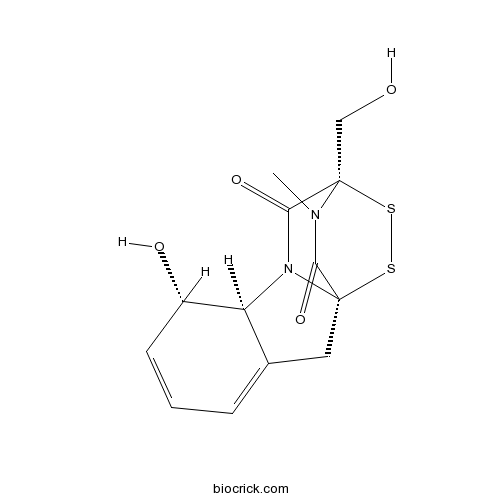
Gliotoxin is a secondary metabolite, the most abundant mycotoxin secreted by A. fumigatus, inhibits the phagocytosis of macrophages and the immune functions of other immune cells . Gliotoxin inhibits inducible NF-κB activity by preventing IκB degradation, which consequently induces host-cell apoptosis. Gliotoxin activates PKA and increases intracellular cAMP concentration; modulates actin cytoskeleton rearrangement to facilitate A. fumigatus internalization into lung epithelial cells.
-
BCC8000
L002
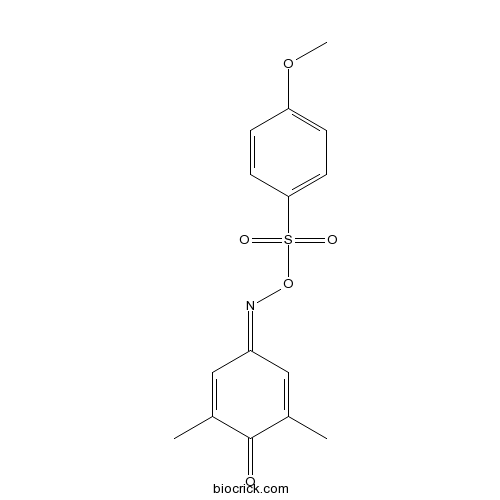
L002 is a potent, cell permeable, reversible and specific acetyltransferase p300 (KAT3B) inhibitor with an IC50 of 1.98 μM. L002 binds the acetyl-CoA pocket and competitively inhibits the FATp300 catalytic domain, blocks histone acetylation and p53 acetylation, and inhibits STAT3 activation. L002 has the potential for hypertension‐induced cardiac hypertrophy and fibrogenesis treatment.
-
BCC5344
LB42708
Selective farnesyltransferase (FTase) inhibitor,LB42708 is an orally active farnesyltransferase (FTase) inhibitor with IC50 of 0.8, 1.2, and 2.0 nM toward H-ras, N-ras, and K-ras, respectively.

-
BCC7988
NSC 624206
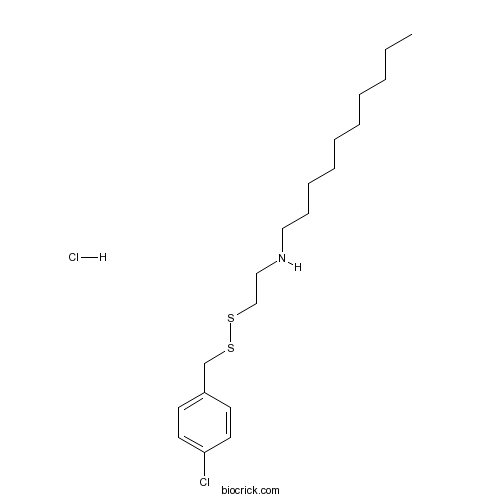
NSC624206 is an inhibitor of ubiquitin E1 (UBA1), with an IC50 of ~9 μM. NSC624206 specifically blocks ubiquitin-thioester formation (IC50=13 μM) but has no effect on ubiquitin adenylation.
-
BCC4000
NSC697923
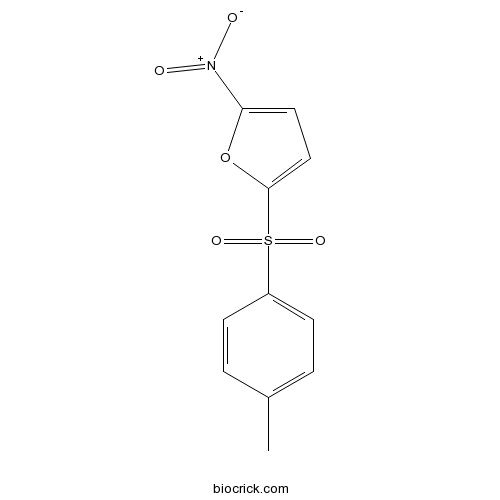
Selective UBE2N inhibitor,NSC697923 is a cell-permeable and selective inhibitor of the Ub-conjugating enzyme (E2) complex Ubc13-Uev1A.
-
BCC4470
PYR-41
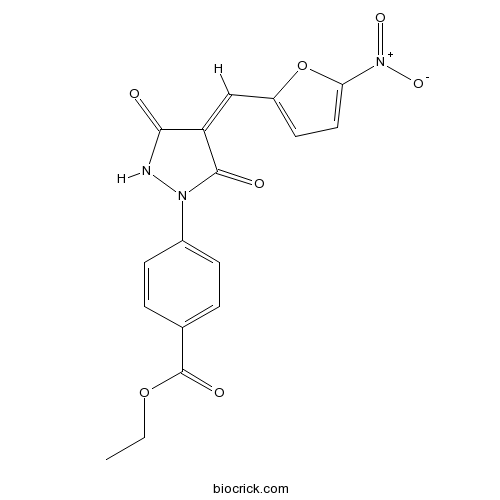
PYR-41 is a selective and cell permeable inhibitor of ubiquitin-activating enzyme E1 with an IC50 of < 10 μM, with little activity at E2 and E3.