Neuropeptides
Neuropeptides are defined as peptides that are secreted by neurons and act as intracellular messengers. They were initially identified in 1975 and are the most abundant chemical messengers in the brain.Neuropeptides have a known structure of 3-40 amino acids in length and can function as neurotransmitters or as hormones. These signaling molecules mostly act at metabotropic or G-protein coupled receptors and exhibit more diverse effects than neurotransmitters with prolonged action. Neuropeptides are generally co-released with a primary neurotransmitter; for example the neurotransmitter acetylcholine coexists with Substance P and VIP. They differ to neurotransmitters in that they are produced from larger precursor proteins and are not recycled back into the neuron after secretion. Neuropeptides are involved in energy expenditure, fluid retention, memory, pain, stress and anxiety and diabetes. Peptoid drugs act to block or mimic the action of neuropeptides and can be used clinically for the treatment of pain, anxiety disorders and drug abuse.
Neuropeptides Products Targets
Products for Neuropeptides - Page 4
- Cat.No. Product Name Information/Activity
-
BCC7284
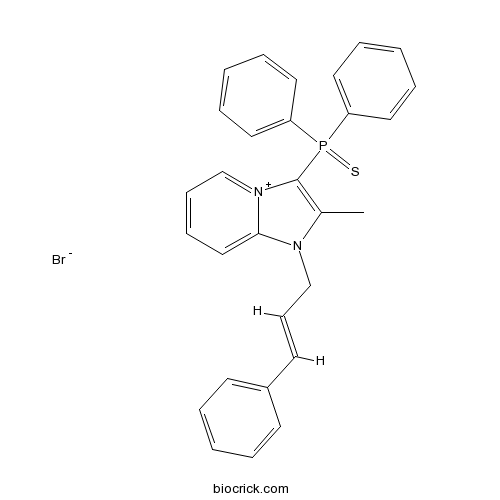
PD 160170
181468-88-2

-
BCC7687
S 25585
263849-50-9

-
BCC7805
SF 11
443292-81-7

-
BCC6163
26RFa
881640-56-8

-
BCC5858
Antagonist G
115150-59-9

-
BCC6007
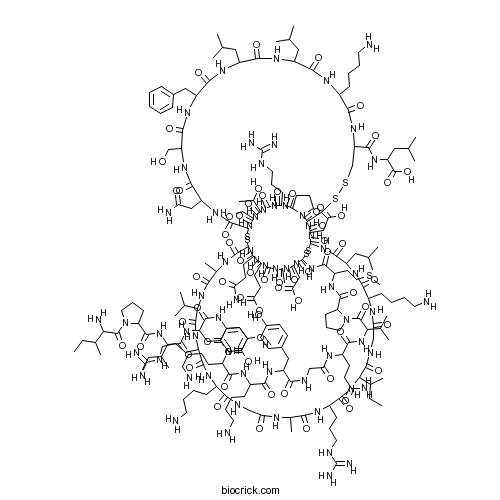
CART (55-102) (human)
214050-22-3

-
BCC6008
CART (62-76) (rat, human)
210978-19-1

-
BCC6006
CART (55-102) (rat)
209615-79-2
-
BCC6337
CYM 50769
1421365-63-0

-
BCC8022
ML 154
1345964-89-7