
Stroke Research
Stroke is classified as both a neurological and a cardiovascular disease, as it is a disruption in blood supply to the brain which causes the neurological abnormalities. There are two types of stroke; ischemic and hemorrhagic.
Stroke Research Products Targets
- Adenosine A2B Receptor (7)
- Adenosine A2A Receptor (11)
- Caspase (9)
- Voltage-gated Sodium (NaV) Channel (30)
- Voltage-gated Potassium (KV) Channel (38)
- Voltage-gated Calcium Channel (CaV) (38)
- Lipoxygenase (8)
- Others (20)
- Cyclooxygenase (24)
- Epithelial Sodium Channel (3)
- STIM-Orai Channel (4)
- Ryanodine Receptor (6)
- Natriuretic Peptide Receptor (4)
- 5-HT7 Receptor (11)
- 5-HT6 Receptor (14)
- 5-ht5 Receptor (2)
- 5-HT4 Receptor (17)
- Glutamate (Metabotropic) Group III Receptor (26)
- Glutamate (Metabotropic) Group II Receptor (33)
- Glutamate (Metabotropic) Group I Receptor (54)
- AMPA Receptor (45)
- GABAA-ρ Receptor (8)
- GABAA Receptor (66)
- NMDA Receptor (87)
- Kainate Receptor (22)
- IP3 Receptor (2)
- Glutamate Transporter (18)
- Adenosine A3 Receptor (8)
- Adenosine A1 Receptor (12)
- Acid-Sensing Ion Channel (3)
- Calcium-Activated Potassium (KCa) Channel (19)
- Calcium-Sensitive Protease Modulator (12)
- Inward Rectifier Potassium (Kir) Channel (21)
- NO donors and precursors (9)
- nNOS (5)
- iNOS (11)
- eNOS (1)
- Prostanoid Receptor (24)
Products for Stroke Research - Page 56
- Cat.No. Product Name Information/Activity
-
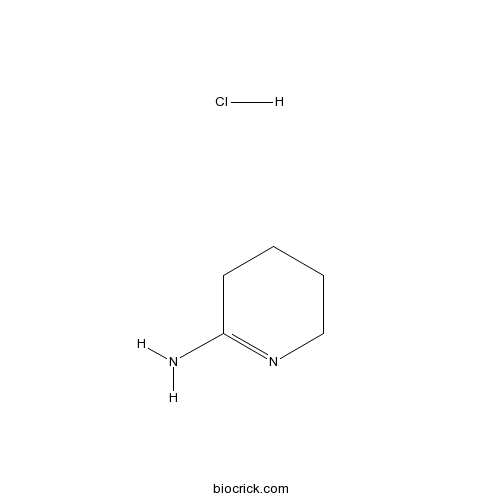
BCC6862
2-Iminopiperidine hydrochloride
16011-96-4
-
BCC6837
S-Isopropylisothiourea hydrobromide
4269-97-0

-
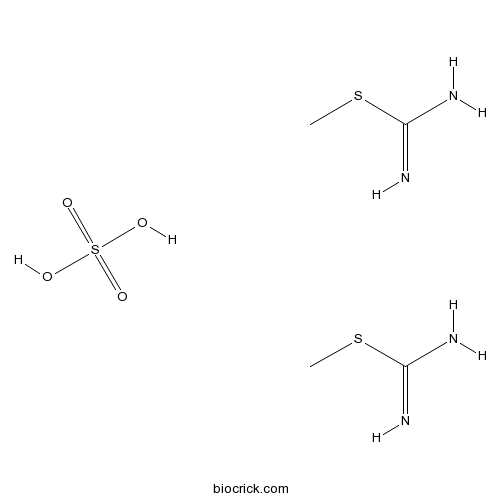
BCC6791
(S)-Methylisothiourea sulfate
867-44-7
-
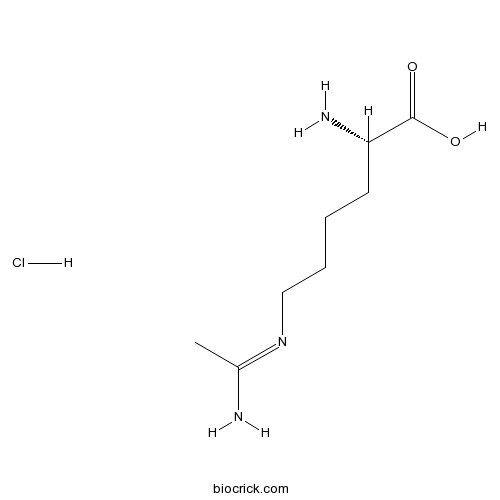
BCC5706
L-NIL hydrochloride
150403-89-7
-
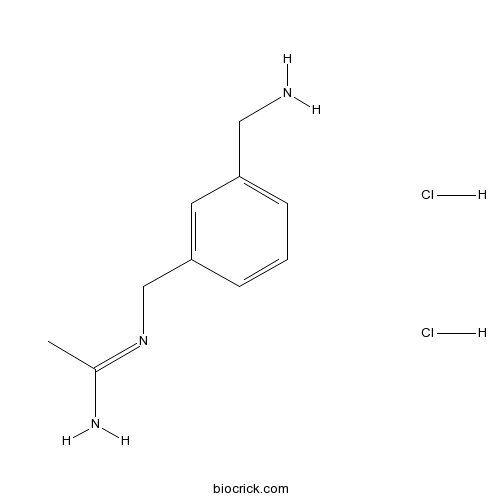
BCC7057
1400W dihydrochloride
1400W dihydrochloride is a potent and selective inhibitor of human inducible NO synthase with Ki values of 7 nM.
-
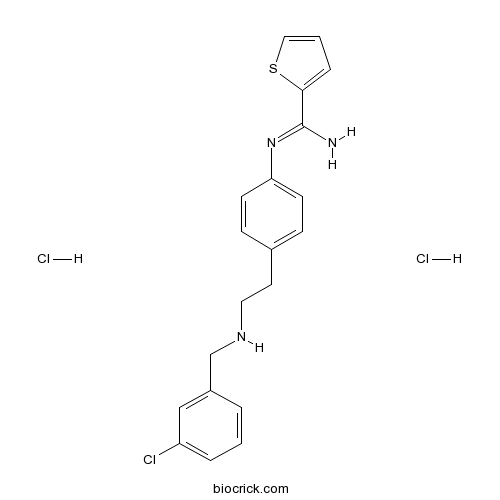
BCC7647
ARL 17477 dihydrochloride
866914-87-6
-
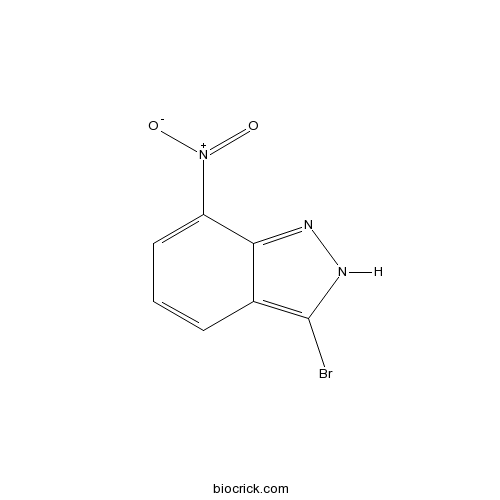
BCC6770
3-Bromo-7-nitroindazole
3-Bromo-7-nitroindazole is a more potent and selective inhibitor of neuronal nitric oxide synthase (nNOS) than eNOS or inducible nitric oxide synthase (iNOS). 3-Bromo-7-nitroindazole affects the intercellular messenger nitric oxide (NO) synthesis throughout the body and brain.
-
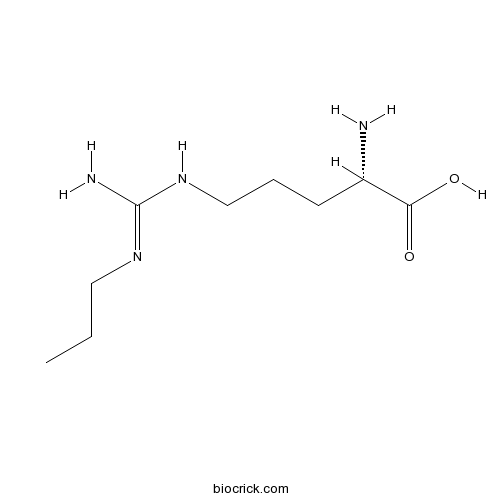
BCC6965
Nω-Propyl-L-arginine hydrochloride
137361-05-8
-
BCC6762
N-Acetyl-N-acetoxy-4-chlorobenzenesulfonamide
142867-52-5

-
BCN2691
L-Arginine
L-Arginine is the nitrogen donor for synthesis of nitric oxide, a potent vasodilator that is deficient during times of sickle cell crisis.