Pain and Inflammation Research
Although separate conditions, pain and inflammation are nearly always associated with each other. Pain is defined by the International Association for the Study of Pain (IASP) as 'an unpleasant sensory and emotional experience associated with actual or potential tissue damage, or described in terms of such damage'. Inflammation is the tissue's immunologic response to injury, characterized by mobilization of white blood cells and antibodies, swelling, and fluid accumulation.
Pain and Inflammation Research Products Areas
Products for Pain and Inflammation Research - Page 89
- Cat.No. Product Name Information/Activity
-
BCC6862
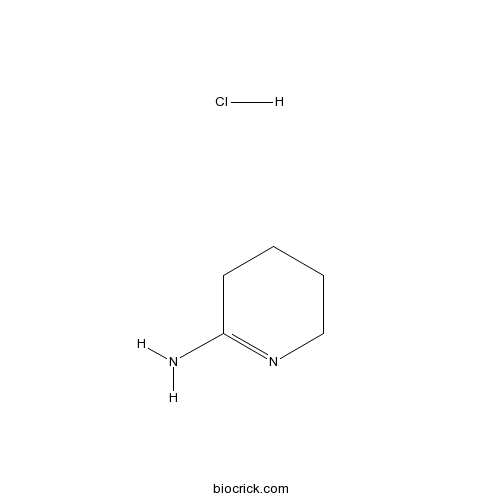
2-Iminopiperidine hydrochloride
16011-96-4
-
BCC6837
S-Isopropylisothiourea hydrobromide
4269-97-0

-
BCC6791
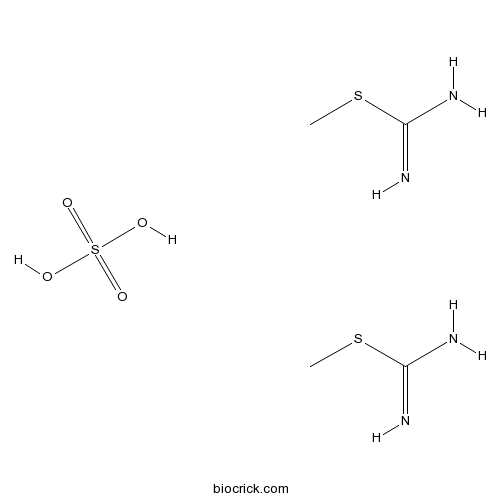
(S)-Methylisothiourea sulfate
867-44-7
-
BCC5706
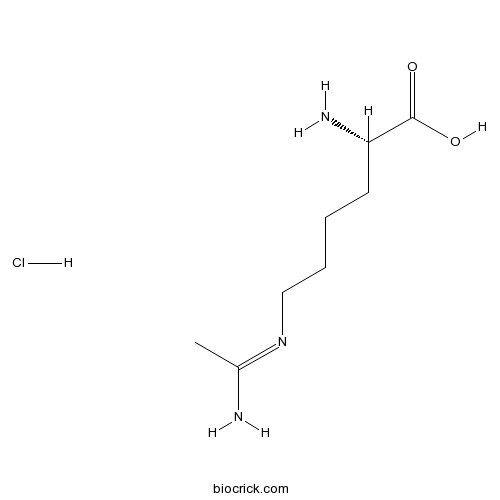
L-NIL hydrochloride
150403-89-7
-
BCC7057
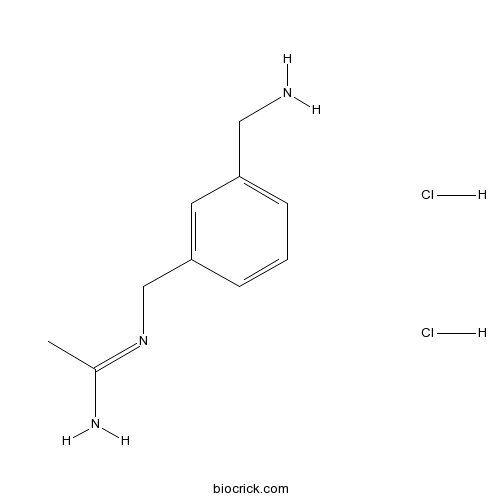
1400W dihydrochloride
1400W dihydrochloride is a potent and selective inhibitor of human inducible NO synthase with Ki values of 7 nM.
-
BCC7647
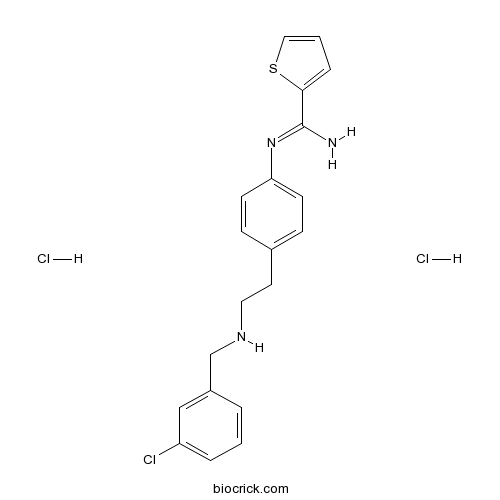
ARL 17477 dihydrochloride
866914-87-6
-
BCC6770
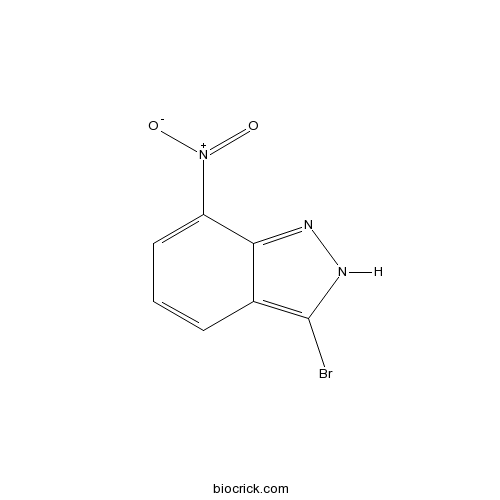
3-Bromo-7-nitroindazole
3-Bromo-7-nitroindazole is a more potent and selective inhibitor of neuronal nitric oxide synthase (nNOS) than eNOS or inducible nitric oxide synthase (iNOS). 3-Bromo-7-nitroindazole affects the intercellular messenger nitric oxide (NO) synthesis throughout the body and brain.
-
BCC6965
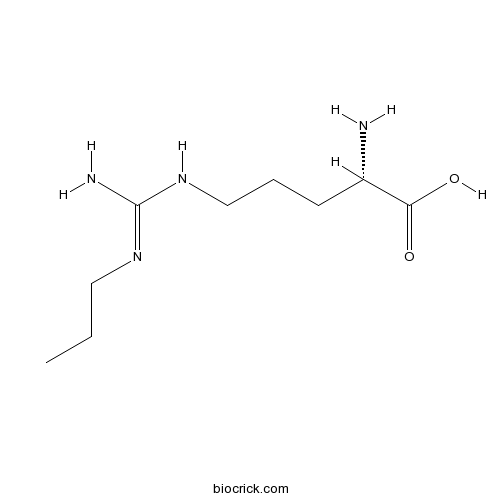
Nω-Propyl-L-arginine hydrochloride
137361-05-8
-
BCC6762
N-Acetyl-N-acetoxy-4-chlorobenzenesulfonamide
142867-52-5

-
BCN2691
L-Arginine
L-Arginine is the nitrogen donor for synthesis of nitric oxide, a potent vasodilator that is deficient during times of sickle cell crisis.