Respiratory System Research
The respiratory system consists of the lungs, airways, diaphragm, trachea (windpipe) and pharynx (throat) and its primary function is the exchange of oxygen and carbon dioxide- breathing in and out. Between 6 and 10 liters of air are brought in and out of the lungs and 0.3 liters of oxygen are transferred from the alveoli to the blood per minute.
Respiratory System Research Products Areas
Products for Respiratory System Research - Page 6
- Cat.No. Product Name Information/Activity
-
BCC7667
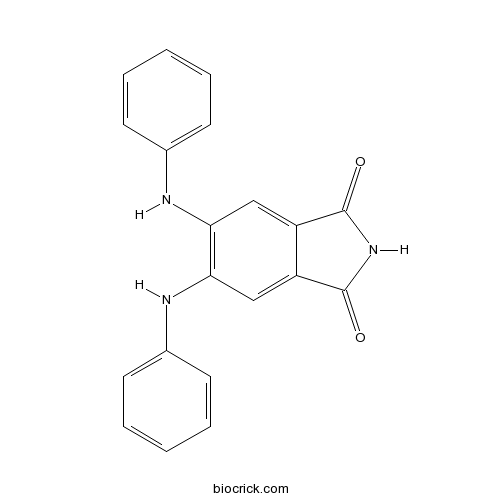
CGP 52411
CGP52411 (DAPH) is a high selective, potent, orally active and ATP-competitive EGFR inhibitor with an IC50 of 0.3 μM. CGP52411 blocks the toxic influx of Ca2+ ions into neuronal cells, and dramatic inhibits and reverses the formation of β-amyloid (Aβ42) fibril aggregates associated with Alzheimer's disease.
-
BCC1306
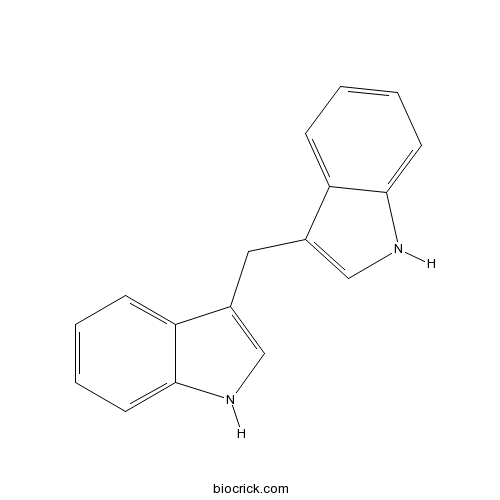
3,3'-Diindolylmethane
3,3'-Diindolylmethane is a strong, pure androgen receptor (AR) antagonist.
-
BCN5499
Genistein
Genistein, a soy isoflavone, is a multiple tyrosine kinases (e.g., EGFR) inhibitor which acts as a chemotherapeutic agent against different types of cancer, mainly by altering apoptosis, the cell cycle, and angiogenesis and inhibiting metastasis.

-
BCC7300
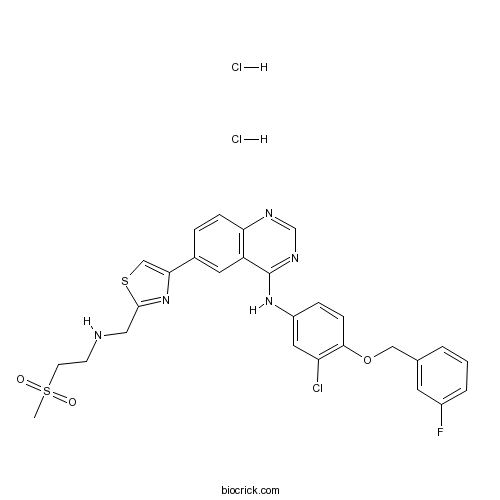
GW 583340 dihydrochloride
1173023-85-2
-
BCC7441
HDS 029
881001-19-0

-
BCC6046
HKI 357
HKI-357 is an irreversible dual inhibitor of EGFR and ERBB2 with IC50s of 34 nM and 33 nM, respectively. HKI-357 suppresses EGFR autophosphorylation (at Y1068), and AKT and MAPK phosphorylation.

-
BCN2173
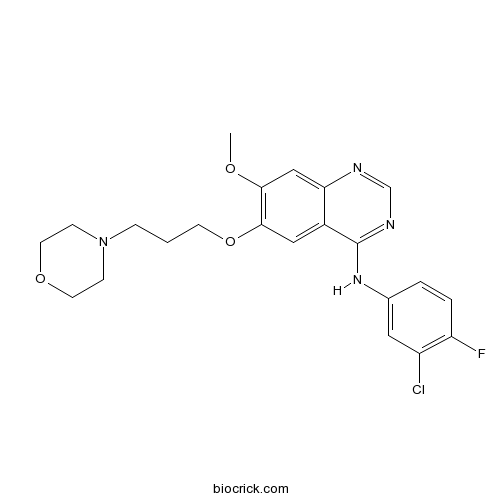
Gefitinib
Gefitinib (ZD1839) is a potent, selective and orally active EGFR tyrosine kinase inhibitor with an IC50 of 33 nM. Gefitinib selectively inhibits EGF-stimulated tumor cell growth (IC50 of 54 nM) and that blocks EGF-stimulated EGFR autophosphorylation in tumor cells. Gefitinib also induces autophagy. Gefitinib has antitumour activity.
-
BCC7662
JNJ 28871063 hydrochloride
944342-90-9

-
BCN1808
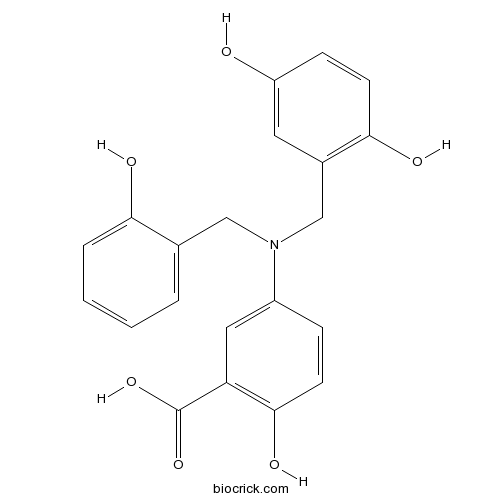
Lavendustin A
Lavendustin A (RG-14355), isolated from Streptomyces Griseolavendus, is a potent, specific and ATP-competitive inhibitor of tyrosine kinase, with an IC50 of 11 ng/mL for EGFR-associated tyrosine kinase. It suppresses VEGF-induced angiogenesis and blocks the induction of LTPGABA-A.
-
BCC6702
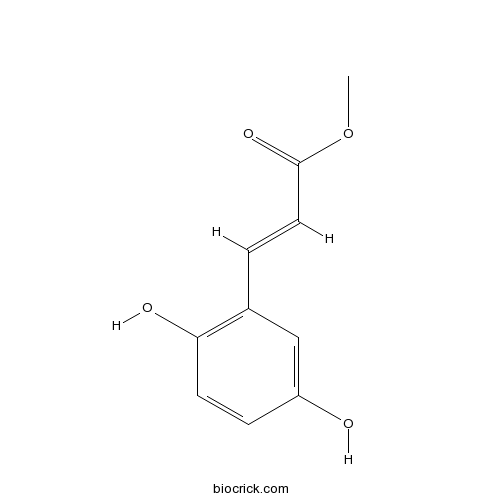
Methyl 2,5-dihydroxycinnamate
63177-57-1