
Products for Phenols
-
BCN3838
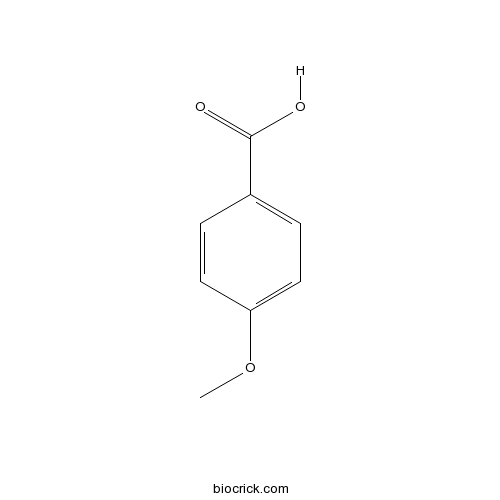
4-Methoxybenzoic acid
p-Anisic acid (4-Methoxybenzoic acid) is one of the isomers of anisic acid, with anti-bacterial and antiseptic properties.
(CAS NO.:
100-09-4)
-
BCN1789
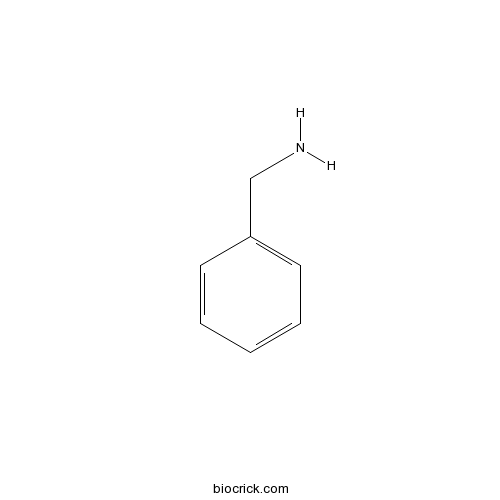
Benzylamine
Botanical source: The herbs of Moringa oleifera
(CAS NO.:
100-46-9)
-
BCN2619
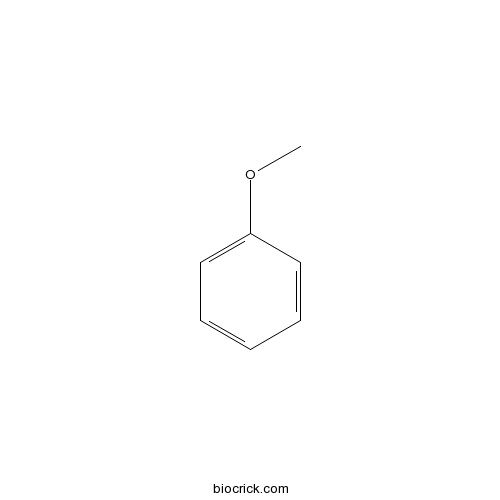
Anisole
Botanical source: The fruits of Foeniculum vuLgare Mill.
(CAS NO.:
100-66-3)
-
BCN7901
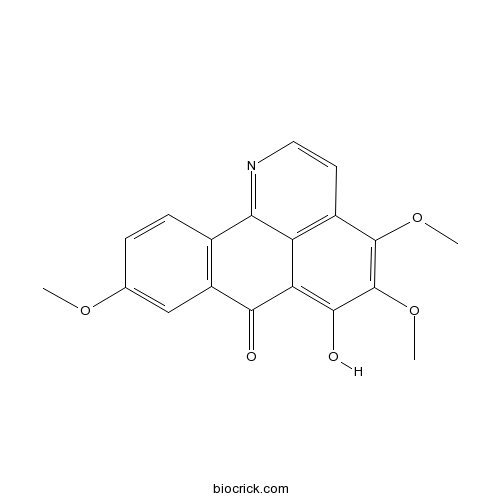
Dauriporphinoline
Botanical source: The roots of Euchresta japonica
(CAS NO.:
100009-82-3)
-
BCN7870
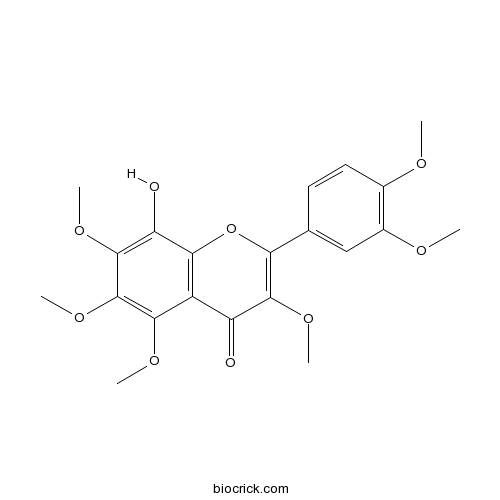
8-Hydroxy-3,5,6,7,3',4'-hexamethoxyflavone
8-Hydroxy-3,5,6,7,3',4'-hexamethoxyflavone is a polymethoxyflavone (PMF) isolated from pericarpium citri reticulatae.
(CAS NO.:
1000415-56-4)
-
BCN4741
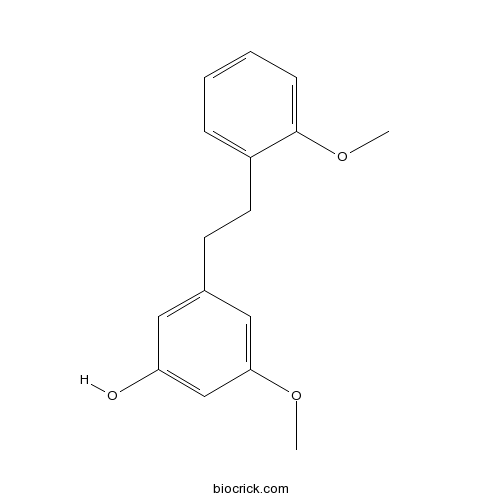
Stilbostemin N
Botanical source: The roots of Stemona tuberosa
(CAS NO.:
1000676-45-8)
-
BCN5817
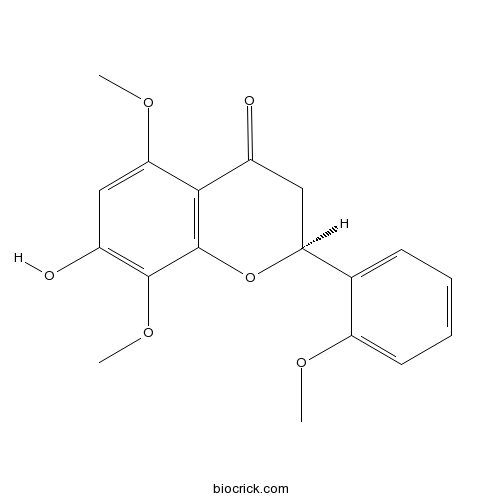
7-Hydroxy-2',5,8-trimethoxyflavanone
Botanical source: The herb of Scutellaria barbata
(CAS NO.:
100079-34-3)
-
BCN1643
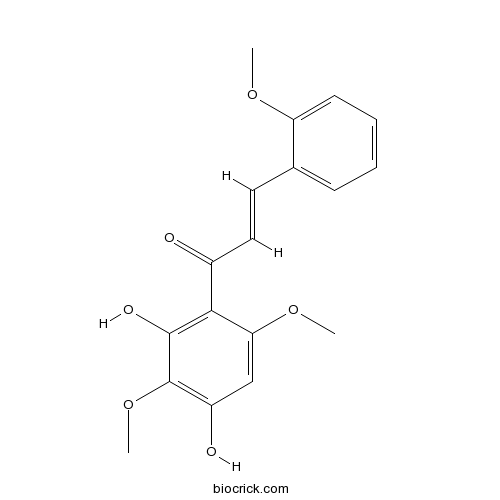
2',4'-Dihydroxy-2,3',6'-trimethoxychalcone
Botanical source: The herb of Scutellaria discolor
(CAS NO.:
100079-39-8)
-
BCN6613
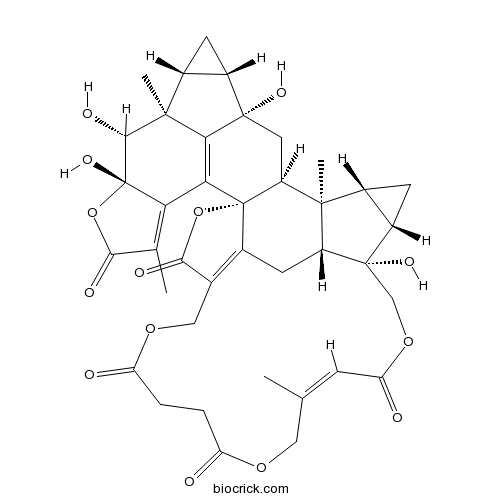
Chloramultilide B
Botanical source: The herb of Chloranthus spicatus.
(CAS NO.:
1000995-47-0)
-
BCN6618
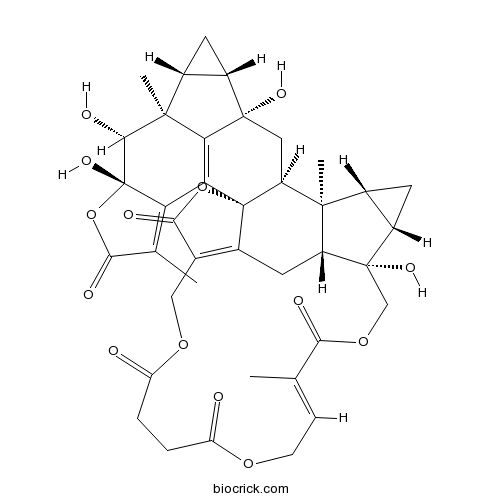
Chloramultilide C
Botanical source: The herb of Chloranthus spicatus.
(CAS NO.:
1000995-48-1)
-
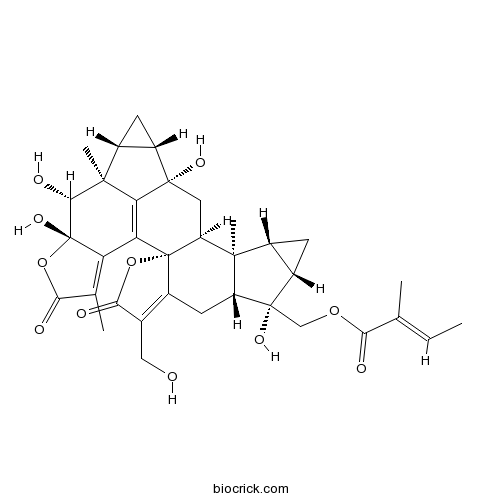
BCN7102
Chloramultilide D
Botanical source: The whole plants of Chloranthus spicatus.
(CAS NO.:
1000995-49-2)
-
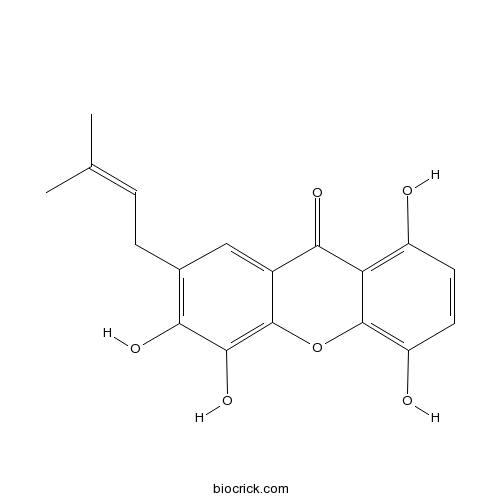
BCN1642
1,4,5,6-Tetrahydroxy-7-prenylxanthone
Botanical source: The twig bark of Garcinia xanthochymus
(CAS NO.:
1001424-68-5)
-
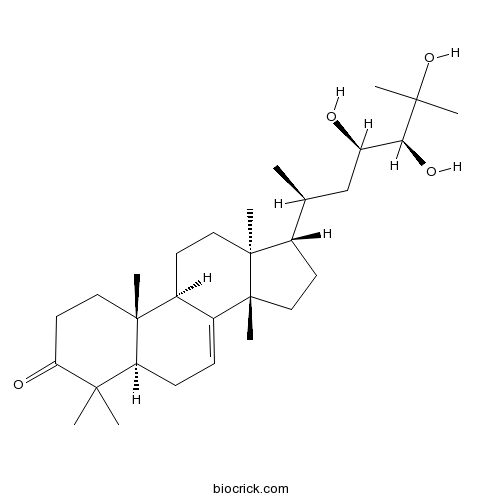
BCN5818
Piscidinol A
Botanical source: The bark of Phellodendron chinense
(CAS NO.:
100198-09-2)
-
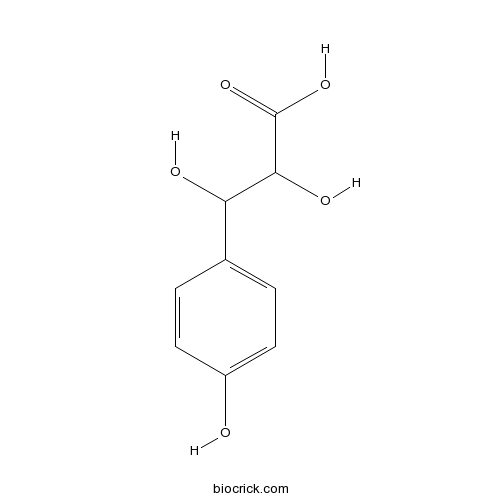
BCN1641
2,3-dihydroxy-3-(4-hydroxyphenyl)propanoic acid
Botanical source: The bark of Taxus chinensis
(CAS NO.:
100201-57-8)
-
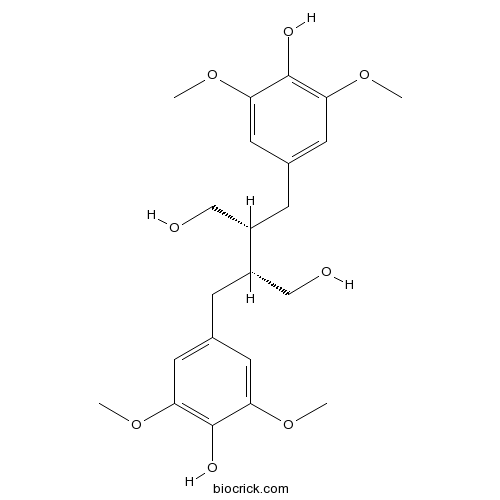
BCN7941
5,5'-Dimethoxysecoisolariciresinol
Botanical source: The Heartwood of Podocarpus spicata
(CAS NO.:
1002106-91-3)
-
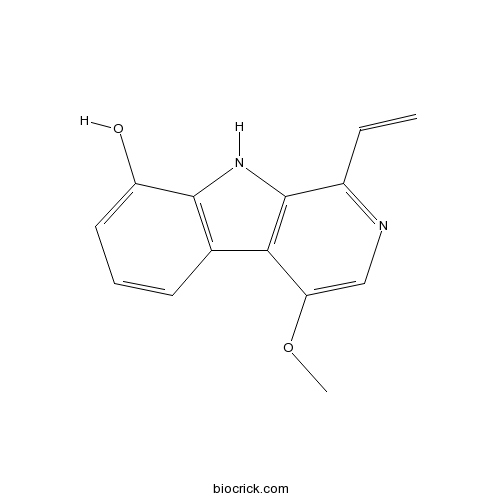
BCN5819
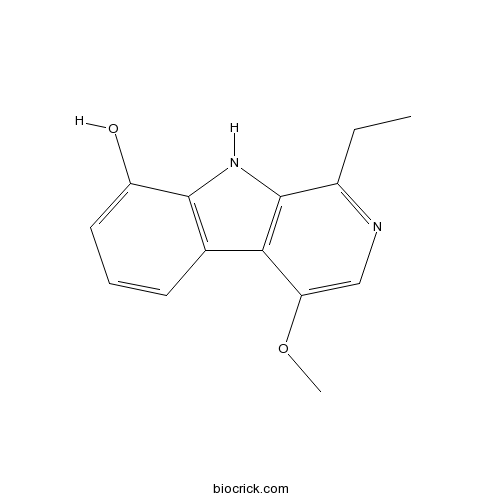
Picrasidine I
Botanical source: The bark of Picrasma quassioides.
(CAS NO.:
100234-59-1)
-
BCN5820
Picrasidine J
Botanical source: The bark of Picrasma quassioides.
(CAS NO.:
100234-62-6)
-
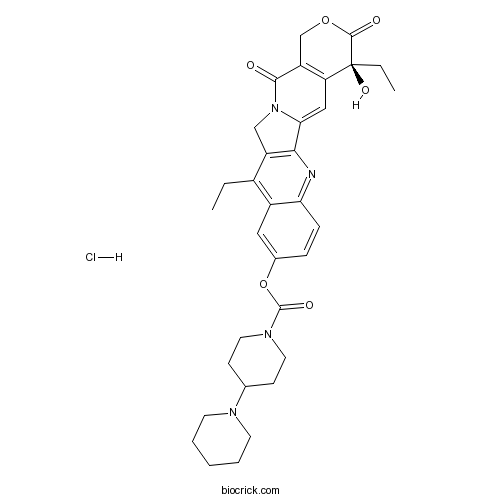
BCN2949
Irinotecan hydrochloride
Irinotecan hydrochloride is a topoisomerase I inhibitor mainly used to treat colon cancer and rectal cancer.
(CAS NO.:
100286-90-6)
-
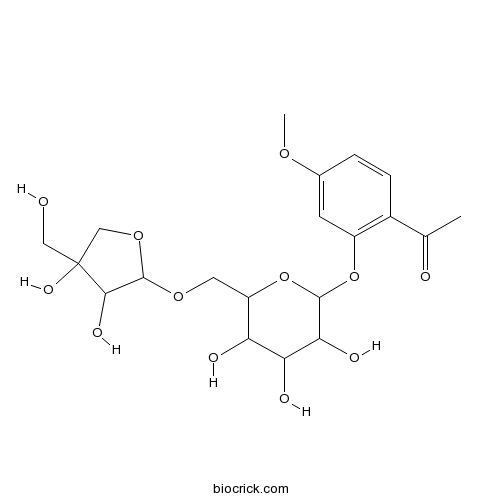
BCN2801
Apiopaeonoside
Apiopaeonoside is a natural product isolated from the root of Paeonia suffruticosa.
(CAS NO.:
100291-86-9)
-
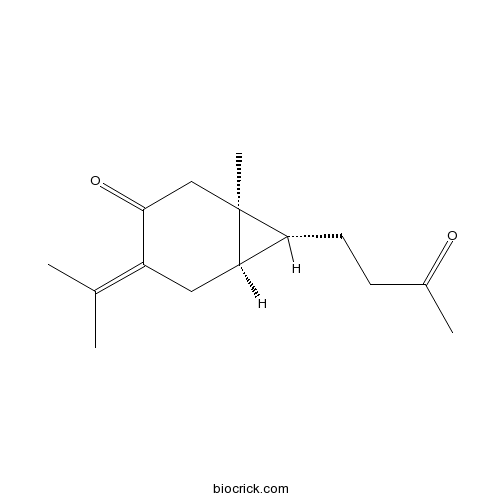
BCN3008
Curcumenone
Botanical source: The rhizome of Curcuma zedoaria
(CAS NO.:
100347-96-4)
-
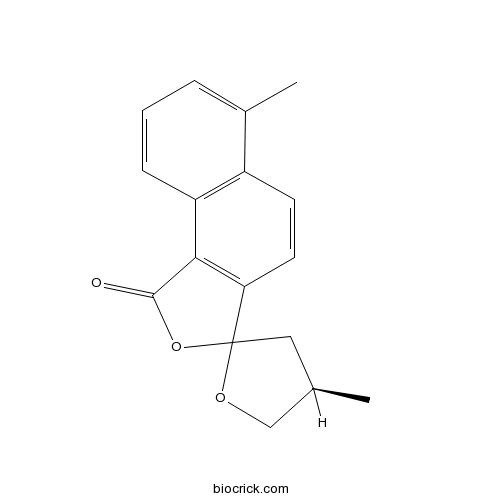
BCN3754
Danshinspiroketallactone
Botanical source: The roots of Salvia miltiorrhiza
(CAS NO.:
100414-80-0)
-
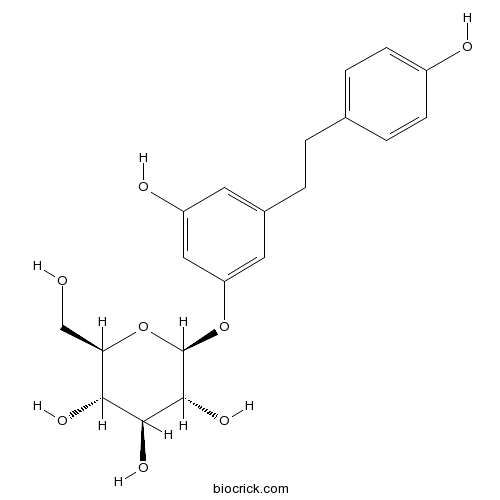
BCN5821
Dihydroresveratrol 3-O-glucoside
Botanical source: The rhizomes of Polygonum cuspidatum Sieb. et Zucc.
(CAS NO.:
100432-87-9)
-
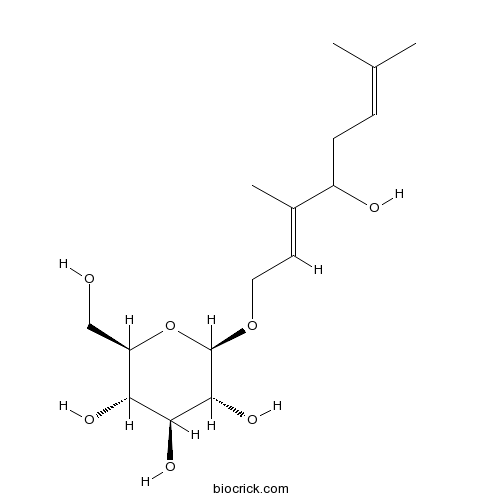
BCN5970
Rosiridin
Rosiridin, which is isolated from Rhodiola rosea L., inhibits MAO A and MAO B with potential beneficial effect in depression and senile dementia. Rosiridin shows an inhibition of 83.8% against MAO B at 10 μM (pIC50=5.38).
(CAS NO.:
100462-37-1)
-
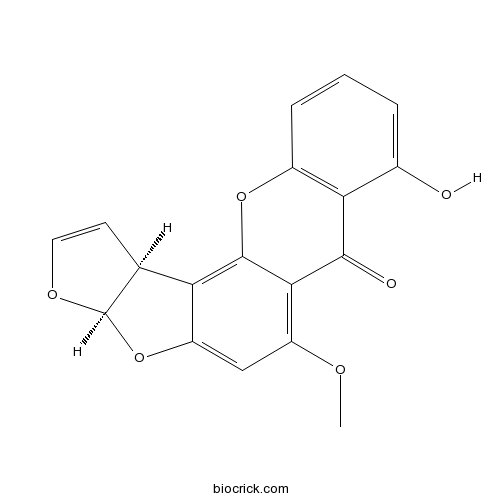
BCN6885
Sterigmatocystin
Sterigmatocystine is a precursor of aflatoxins and a mycotoxin produced by common mold strains from Aspergillus versicolor. Sterigmatocystine, a inhibitor of G1 Phase and DNA synthesis, is used to inhibit p21 activity. Sterigmatocystine has teratogenic, and carcinogenic effects in animals.
(CAS NO.:
10048-13-2)
-
BCN1830
Blasticidin A
Botanical source: The Streptomyces griseochromogenes
(CAS NO.:
100513-53-9)

BioCrick BioTech
88# Keyuan road,Hi-Tech Zone
Chengdu, Sichuan 610042, PRC
Email: info@biocrick.com
Tel:86-28-8543-3893


88# Keyuan road,Hi-Tech Zone
Chengdu, Sichuan 610042, PRC
Email: info@biocrick.com
Tel:86-28-8543-3893
Follow us:
BioCrick is one of the biggest natural products manufacturers in Asia
Our products can be used as reference standards,inhibitors in pharmacological research
Our MISSION is to provide Best-in-class High-purity natural compounds to researchers all around the world

© 2007-2026 BioCrick BioTech. All rights reserved. sitemap