Cancer Research
Cancer is a term used to define a group of diseases in which abnormal cells divide without control, are able to invade neighboring tissues/organs and metastasize. Cancer has been characterized by six hallmarks; self sufficiency in proliferative growth signals, insensitivity to growth inhibitors, evasion of apoptosis, limitless replicative potential, ability to develop blood vessels (angiogenesis), and tissue invasion and metastasis.
Cancer Research Products Areas
Products for Cancer Research - Page 50
- Cat.No. Product Name Information/Activity
-
BCC3603
(-)-JQ1
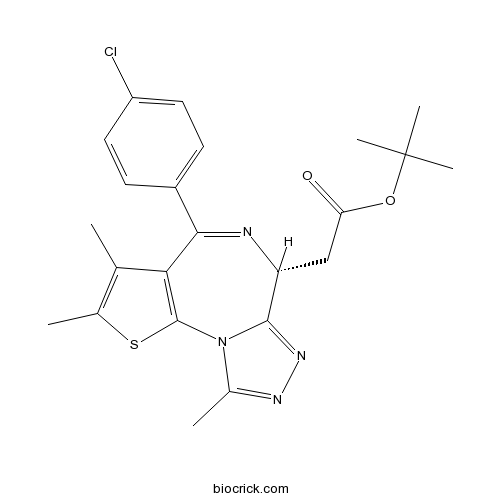
(R)-(-)-JQ1 Enantiomer is the stereoisomer of (+)-JQ1. (+)-JQ1 potently decreases expression of both BRD4 target genes, whereas (R)-(-)-JQ1 Enantiomer has no effect.
-
BCC1130
5-Azacytidine
5-Azacytidine (Azacitidine; 5-AzaC; Ladakamycin) is a nucleoside analogue of cytidine that specifically inhibits DNA methylation. 5-Azacytidine is incorporated into DNA to covalently trap DNA methyltransferases and contributes to reverse epigenetic changes. 5-Azacytidine induces cell autophagy.

-
BCN2169
5-Aza-2'-deoxycytidine
Decitabine (5-Aza-2'-deoxycytidine) is a deoxycytidine analogue antimetabolite and a DNA methyltransferase inhibitor. Decitabine incorporates into DNA in place of cytosine can covalently trap DNA methyltransferase to DNA causing irreversible inhibition of the enzyme. Decitabine induces cell G2/M arrest and cell apoptosis. Decitabine has potent anticancer activity.

-
BCN6326
(-)-Epigallocatechin gallate
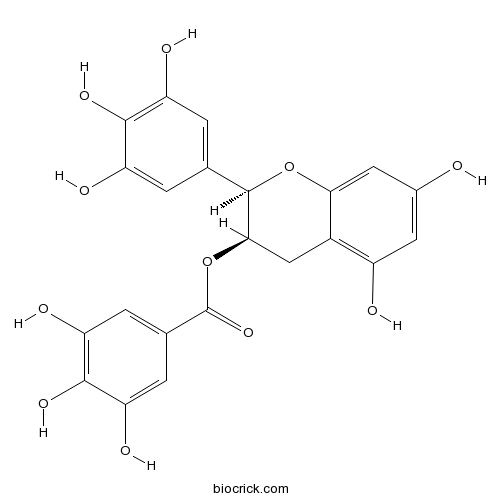
(-)-Epigallocatechin Gallate is a tea flavonoid with potent antioxidant, antiinflammatory, and anticarcinogenic properties. (-)-Epigallocatechin Gallate is reported to inhibit EGFR signaling and thereby exert anticancer effects. (-)-Epigallocatechin Gallate (EGCG) is a glutamate dehydrogenase 1/2 (GDH1/2, GLUD1/2) inhibitor. Epigallocatechin-3-gallate induces oxidative phosphorylation by activating cytochrome c oxidase.
-
BCN5024
Fisetin
Fisetin is a natural flavonol found in many fruits and vegetables with various benefits, such as antioxidant, anticancer, neuroprotection effects.

-
BCC1133
Lomeguatrib
Lomeguatrib is a O6-methylguanine-DNA methyltransferase (MGMT) inhibitor, with IC50s of 9 nM in cell-free assay and ∼6 nM in MCF-7 cells.

-
BCC1134
RG 108
RG108 (N-Phthalyl-L-tryptophan) is a non-nucleoside DNA methyltransferases (DNMTs) inhibitor (IC50=115 nM) that blocks the DNMTs active site. RG108 (N-Phthalyl-L-tryptophan) causes demethylation and reactivation of tumor suppressor genes, but it does not affect the methylation of centromeric satellite sequences.

-
BCC1136
Zebularine
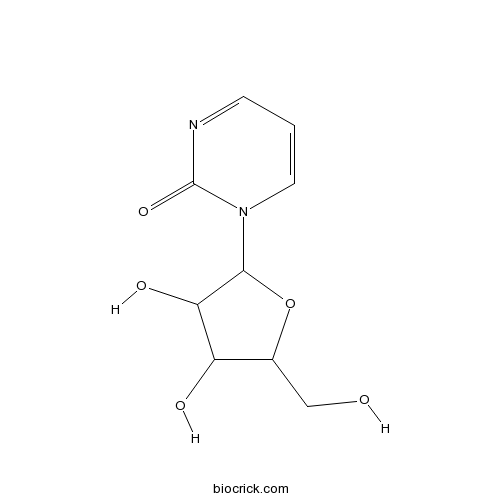
Zebularine (NSC309132; 4-Deoxyuridine) is a DNA methyltransferase inhibitor. Zebularine also inhibits cytidine deaminase with a Ki of 0.95 μM.
-
BCC1312
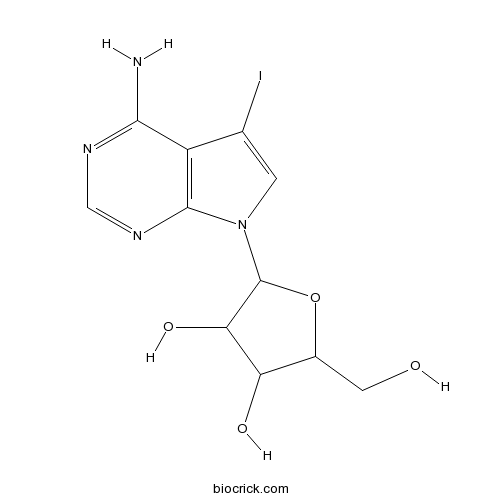
5-Iodotubercidin
5-Iodotubercidin (NSC 113939), an ATP mimetic, is a potent adenosine kinase inhibitor with an IC50 of 26 nM. 5-Iodotubercidin (NSC 113939) initiates glycogen synthesis in isolated hepatocytes by causing inactivation of phosphorylase and activation of glycogen synthase. 5-Iodotubercidin (NSC 113939) also inhibits CK1, insulin receptor tyrosine kinase, phosphorylase kinase, PKA, CK2, PKC and Haspin.
-
BCC2220
Thioguanine
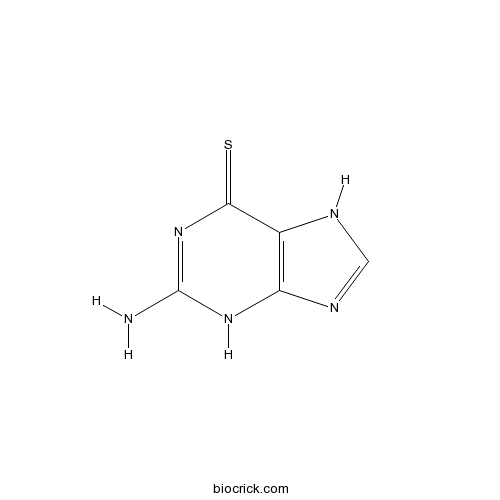
6-Thioguanine (Thioguanine; 2-Amino-6-purinethiol) is an anti-leukemia and immunosuppressant agent, acts as an inhibitor of SARS and MERS coronavirus papain-like proteases (PLpros) and also potently inhibits USP2 activity, with IC50s of 25 μM and 40 μM for Plpros and recombinant human USP2, respectively.