Apoptosis
Apoptosis is a mechanism of cell death that occurs after sufficient cellular damage. It occurs normally during development and aging and is considered a vital component of cell turnover, cell development and function of the immune system. It occurs as a defense mechanism such as in immune reactions or when cells are damaged by disease or noxious agents.Apoptosis, in general, confers advantages during an organism's life cycle. Between 50 billion and 70 billion cells die each day due to apoptosis in the average human adult. In a year, this amounts to the proliferation and subsequent destruction of a mass of cells equal to an individual's body weight. Inappropriate apoptosis is a factor in many human conditions including neurodegenerative diseases, ischemic damage, autoimmune disorders and many types of cancer. The ability to modulate the life or death of a cell is recognized for its profound therapeutic potential, and research continues to focus on the elucidation of the cell cycle machinery and signaling pathways that control cell cycle arrest and apoptosis.
Apoptosis Products Targets
Products for Apoptosis
- Cat.No. Product Name Information/Activity
-
BCC2383
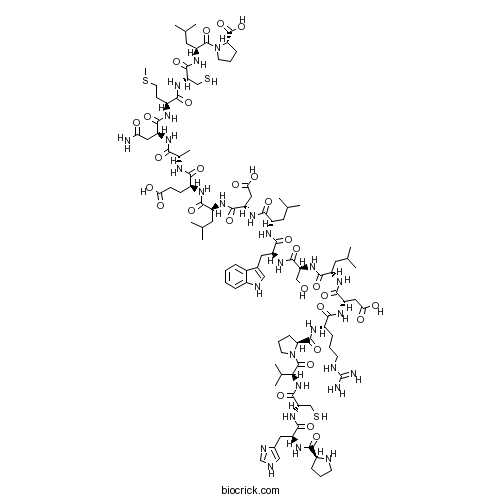
R18
Inhibitor of 14.3.3 proteins
-
BCC2385
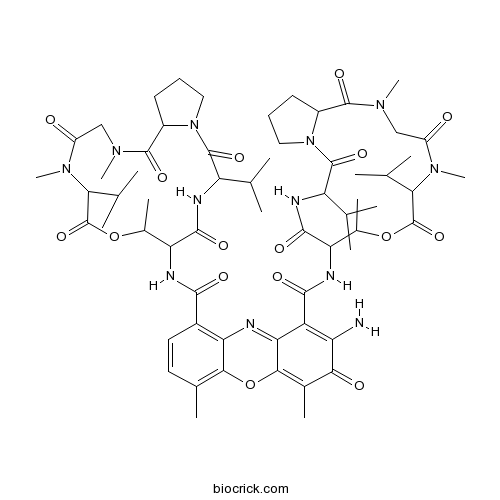
Actinomycin D
Actinomycin D (Dactinomycin) inhibits DNA repair with an IC50 of 0.42 μM. Actinomycin D is an autophagy activator.
-
BCC3599
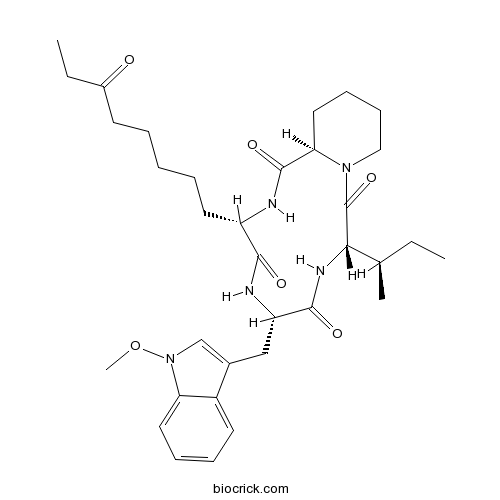
Apicidin
Apicidin (OSI 2040) is a fungal metabolite, acts as a histone deacetylase (HDAC) inhibitor, with antiparasitic activity and a broad spectrum antiproliferative activity.
-
BCC2099
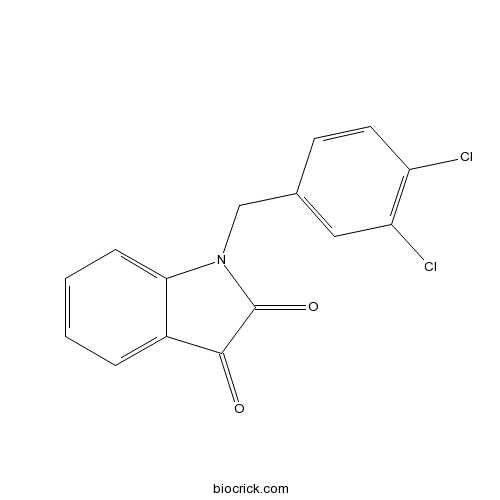
Apoptosis Activator 2
MDK83190 is a potent apoptosis activator, induces Apaf-1 oligomerization, increases procaspase-9 processing and subsequent caspase-3 activation in a cyto c-dependent Manner.
-
BCC1375
Gossypolone
Downregulates Bcl-2 and Mcl-1; pro-apoptotic

-
BCC1397
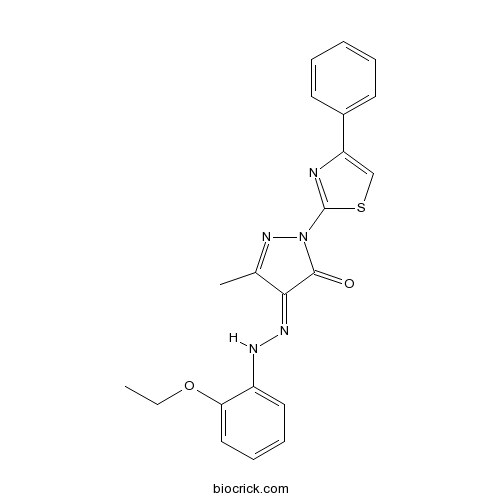
BAM7
BAM7 is a direct and selective activator of proapoptotic BAX with an IC50 of 3.3 μM.
-
BCC1153
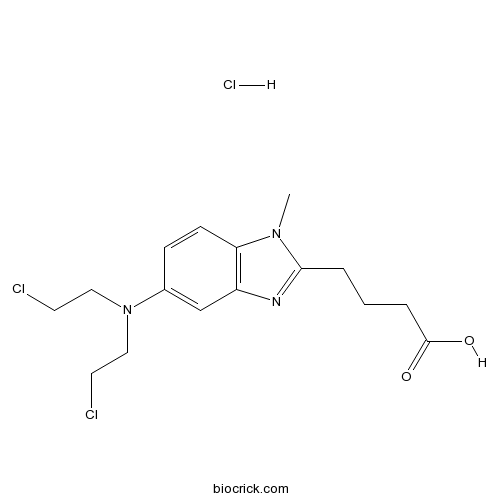
Bendamustine HCl
Bendamustine hydrochloride is a DNA cross-linking agent that causes DNA breaks, with alkylating and antimetabolite properties.
-
BCN5524
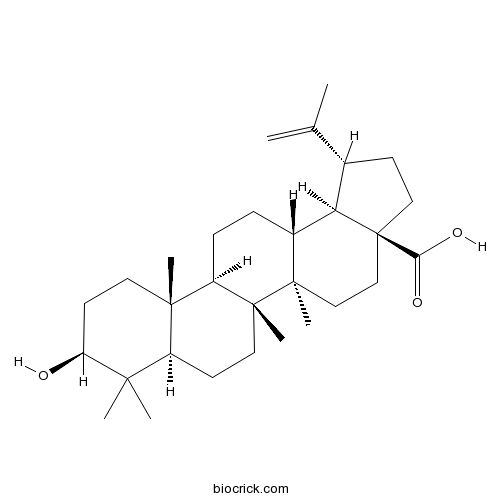
Betulinic acid
Betulinic acid is a natural pentacyclic triterpenoid, acts as a eukaryotic topoisomerase I inhibitor, with an IC50 of 5 μM, and possesses anti-HIV, anti-malarial, anti-inflammatory and anti-tumor properties. Betulinic acid acts as a new activator of NF-kB.
-
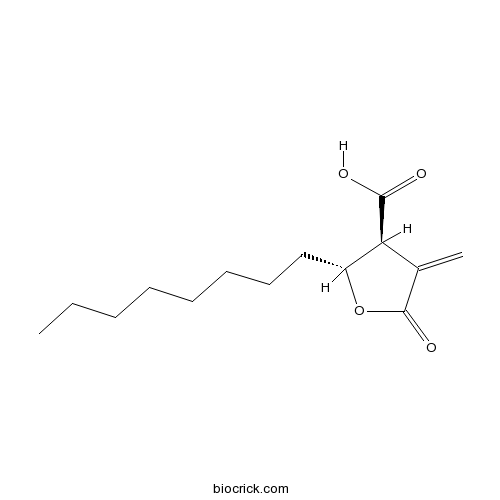
BCC2386
C 75
trans-C75 ((±)-C75) is an enantiomer of C75. C75 is a synthetic fatty-acid synthase (FASN) inhibitor.
-
BCC1170
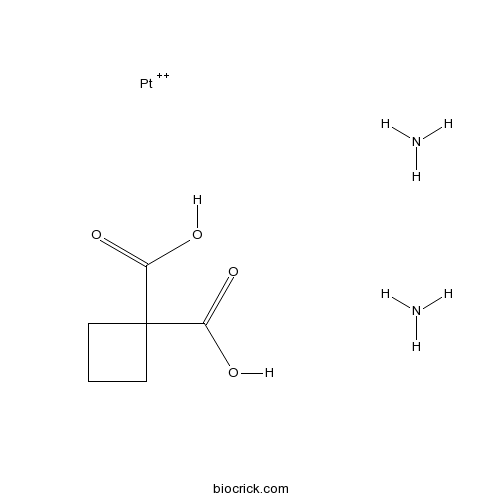
Carboplatin
Carboplatin (NSC 241240) is a DNA synthesis inhibitor which binds to DNA, inhibits replication and transcription and induces cell death. Carboplatin (NSC 241240) is a derivative of CDDP and a potent anti-cancer agent.