Apoptosis
Apoptosis is a mechanism of cell death that occurs after sufficient cellular damage. It occurs normally during development and aging and is considered a vital component of cell turnover, cell development and function of the immune system. It occurs as a defense mechanism such as in immune reactions or when cells are damaged by disease or noxious agents.Apoptosis, in general, confers advantages during an organism's life cycle. Between 50 billion and 70 billion cells die each day due to apoptosis in the average human adult. In a year, this amounts to the proliferation and subsequent destruction of a mass of cells equal to an individual's body weight. Inappropriate apoptosis is a factor in many human conditions including neurodegenerative diseases, ischemic damage, autoimmune disorders and many types of cancer. The ability to modulate the life or death of a cell is recognized for its profound therapeutic potential, and research continues to focus on the elucidation of the cell cycle machinery and signaling pathways that control cell cycle arrest and apoptosis.
Apoptosis Products Targets
Products for Apoptosis - Page 3
- Cat.No. Product Name Information/Activity
-
BCN5653
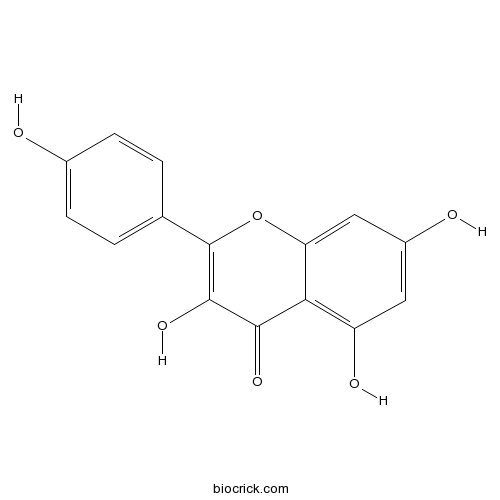
Kaempferol
Kaempferol inhibits estrogen receptor α expression in breast cancer cells and induces apoptosis in glioblastoma cells and lung cancer cells by activation of MEK-MAPK.
-
BCC2228
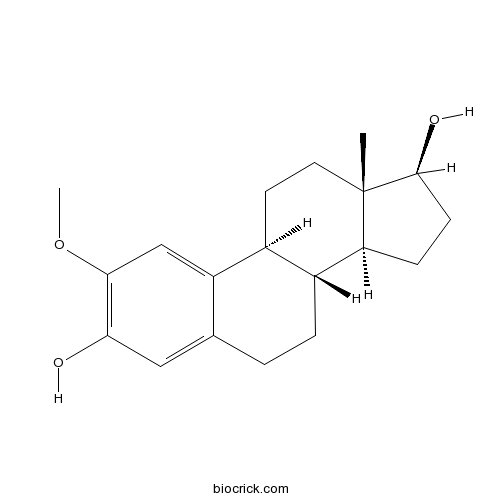
2-Methoxyestradiol (2-MeOE2)
2-Methoxyestradiol (2-ME2), an orally active endogenous metabolite of 17β-estradiol (E2), is an apoptosis inducer and an angiogenesis inhibitor with potent antineoplastic activity. 2-Methoxyestradiol also destablize microtubules.
-
BCC2388
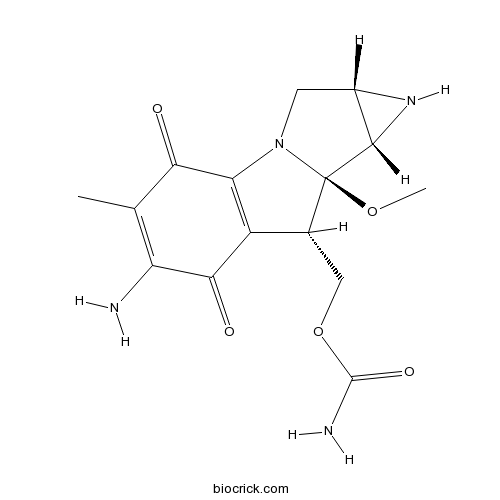
Mitomycin C
Rivaroxaban (BAY 59-7939) is a highly potent,selective and direct Factor Xa (FXa) inhibitor, achieving a strong gain in anti-FXa potency (IC50 0.7 nM; Ki 0.4 nM).
-
BCC8040
MPC 6827 hydrochloride
Verubulin hydrochloride (MPC-6827 hydrochloride) is a blood brain barrier permeable microtubule-disrupting agent, with potent and broad-spectrum in vitro and in vivo cytotoxic activities. Verubulin hydrochloride (MPC-6827 hydrochloride) exhibits potent anticancer activity in human MX-1 breast and other mouse xenograft cancer models. Verubulin hydrochloride (MPC 6827 hydrochloride) is a promising candidate for the treatment of multiple cancer types.

-
BCN4732
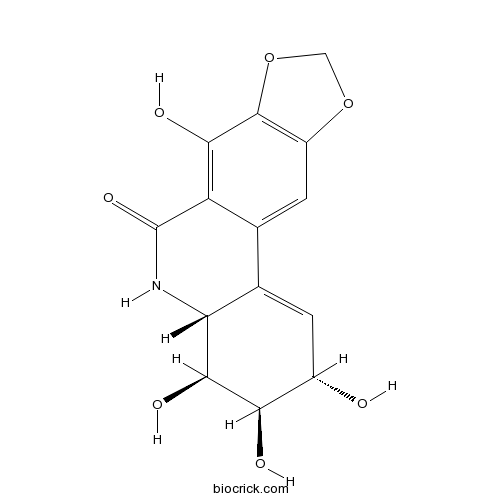
Narciclasine
Narciclasine is a plant growth modulator. Narciclasine modulates the Rho/Rho kinase/LIM kinase/cofilin signaling pathway, greatly increasing GTPase RhoA activity as well as inducing actin stress fiber formation in a RhoA-dependent manner.
-
BCC2389
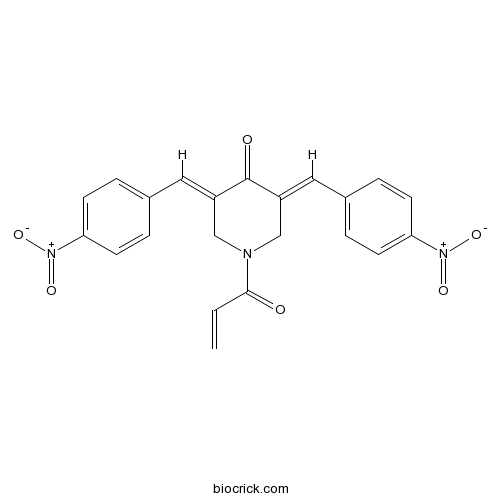
NSC 687852 (b-AP15)
b-AP15 is a specific inhibitor of the deubiquitinating enzymes UCHL5 and Usp14.
-
BCN5616
Oleanolic acid
Oleanolic acid (Caryophyllin) is a natural compound from plants with anti-tumor activities.

-
BCC2390
Oncrasin 1
Oncrasin-1 is a potent and effective anticancer inhibitor that kills various human lung cancer cells with K-Ras mutations at low or submicromolar concentrations; also led to abnormal aggregation of PKCι in nucleus of sensitive cells but not in resistant cells.

-
BCC3932
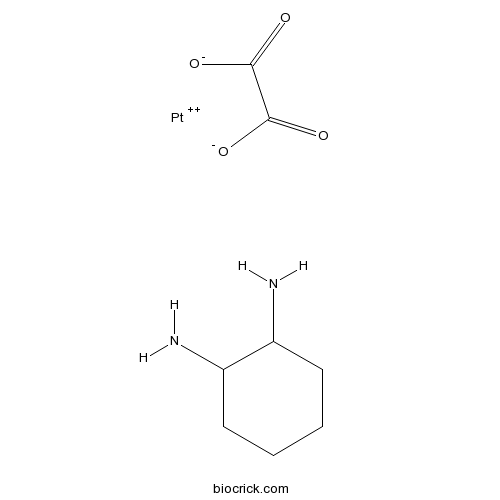
Oxaliplatin
Oxaliplatin is a DNA synthesis inhibitor. Oxaliplatin causes DNA crosslinking damage, prevents DNA replication and transcription and causes cell death. Oxaliplatin time-dependently inhibits human melanoma cell lines C32 and G361 with IC50 values of 0.98 μM and 0.14 μM, respectively. Oxaliplatin induces cell autophagy.
-
BCC2148
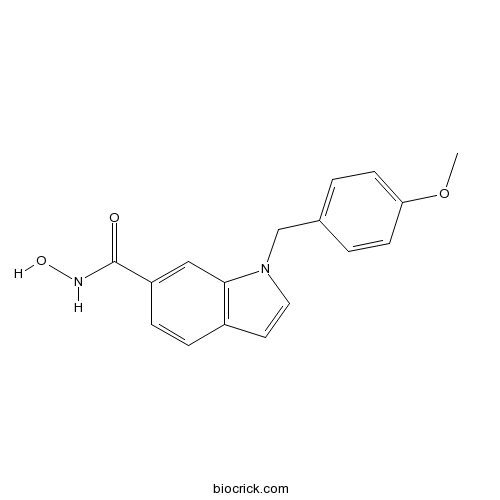
PCI-34051
PCI-34051 is a potent and selective HDAC8 inhibitor with IC50 of 10 nM, with >200-fold selectivity over the other HDAC isoforms.