Apoptosis
Apoptosis is a mechanism of cell death that occurs after sufficient cellular damage. It occurs normally during development and aging and is considered a vital component of cell turnover, cell development and function of the immune system. It occurs as a defense mechanism such as in immune reactions or when cells are damaged by disease or noxious agents.Apoptosis, in general, confers advantages during an organism's life cycle. Between 50 billion and 70 billion cells die each day due to apoptosis in the average human adult. In a year, this amounts to the proliferation and subsequent destruction of a mass of cells equal to an individual's body weight. Inappropriate apoptosis is a factor in many human conditions including neurodegenerative diseases, ischemic damage, autoimmune disorders and many types of cancer. The ability to modulate the life or death of a cell is recognized for its profound therapeutic potential, and research continues to focus on the elucidation of the cell cycle machinery and signaling pathways that control cell cycle arrest and apoptosis.
Apoptosis Products Targets
Products for Apoptosis - Page 7
- Cat.No. Product Name Information/Activity
-
BCC2408
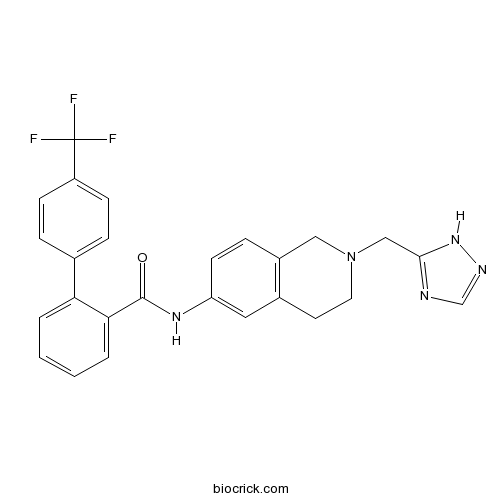
HLI 373
Hdm2 inhibitor; activates p53-dependent transcription
-
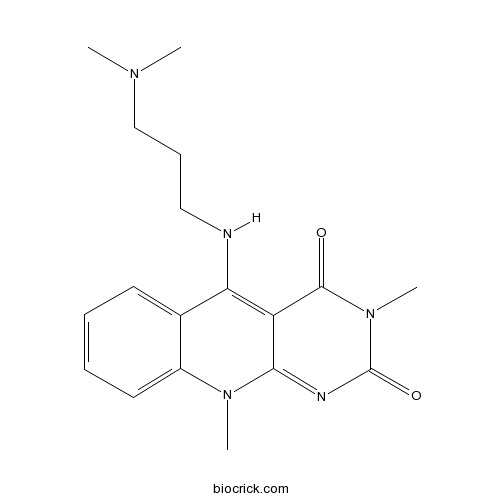
BCC2410
NSC 146109 hydrochloride
NSC 146109 hydrochloride is a small-molecule p53 activator that target MDMX and could be of value in treating breast cancer. NSC 146109 hydrochloride is a pseudourea derivative, promotes breast cancer cells to undergo apoptosis through activating p53 and inducing expression of proapoptotic genes[1].
-
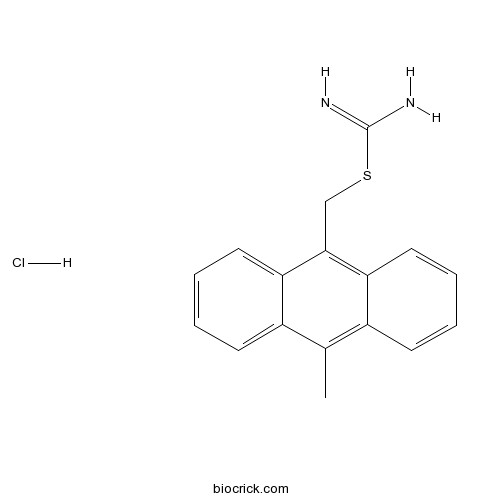
BCC2242
NSC 319726
NSC319726 (ZMC1) is a mutant p53R175 reactivator; inhibits growth of fibroblasts expressing the p53R175 mutation (IC50 = 8 nM); shows no inhibition for p53 wild-type cells.

-
BCC2255
NSC 66811
MDM2 inhibitor. Disrupts MDM2-p53 interaction

-
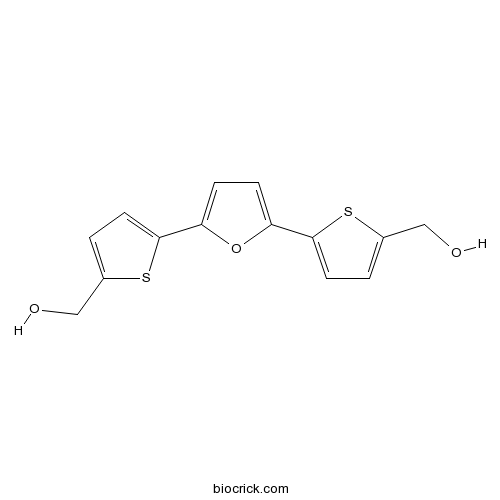
BCC2238
RITA (NSC 652287)
RITA is an inhibitor of p53-HDM-2 interaction, binds to p53dN, with a Kd of 1.5 nM, and also induces DNA-DNA cross-links.
-
BCC2416
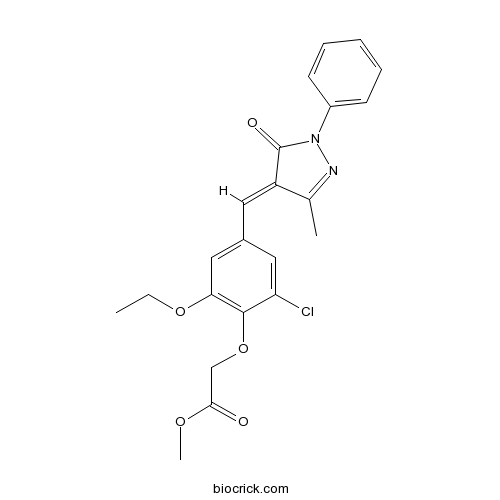
SJ 172550
SJ-172550 is a small molecule inhibitor of MDMX; competes for the wild type p53 peptide binding to MDMX with an EC50 of 5 μM.
-
BCC2239
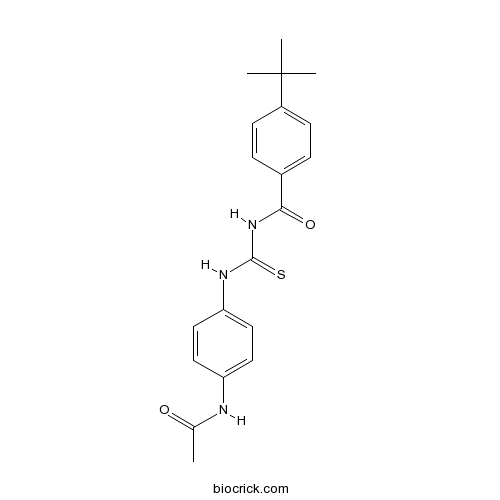
Tenovin-1
Tenovin-1 is an inhibitor of sirtuin 1 and sirtuin 2, an activator of p53 and may have potential in the management of cancer.
-
BCC2417
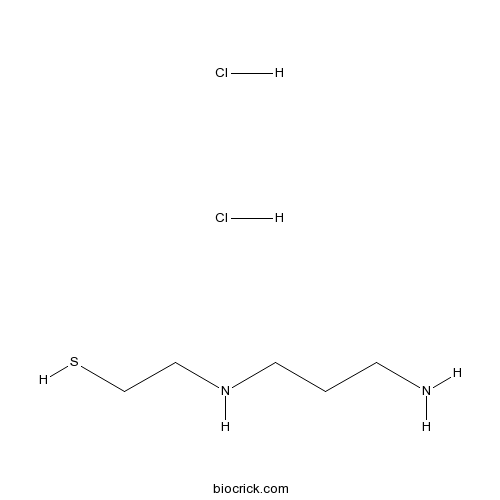
WR 1065
WR-1065 dihydrochloride can protect normal tissues from the toxic effects of certain cancer drugs and activate p53 through a JNK-dependent signaling pathway.
-
BCC5580
BMH-21
BMH-21 is a small molecule DNA intercalator that binds ribosomal DNA and inhibits RNA polymerase I (Pol I) transcription; does not cause phosphorylation of H2AX.

-
BCC2406
CP 31398 dihydrochloride
p53-stabilizing agent