Apoptosis
Apoptosis is a mechanism of cell death that occurs after sufficient cellular damage. It occurs normally during development and aging and is considered a vital component of cell turnover, cell development and function of the immune system. It occurs as a defense mechanism such as in immune reactions or when cells are damaged by disease or noxious agents.Apoptosis, in general, confers advantages during an organism's life cycle. Between 50 billion and 70 billion cells die each day due to apoptosis in the average human adult. In a year, this amounts to the proliferation and subsequent destruction of a mass of cells equal to an individual's body weight. Inappropriate apoptosis is a factor in many human conditions including neurodegenerative diseases, ischemic damage, autoimmune disorders and many types of cancer. The ability to modulate the life or death of a cell is recognized for its profound therapeutic potential, and research continues to focus on the elucidation of the cell cycle machinery and signaling pathways that control cell cycle arrest and apoptosis.
Apoptosis Products Targets
Products for Apoptosis - Page 5
- Cat.No. Product Name Information/Activity
-
BCC3593
HA14-1
HA14-1 is a Bcl-2/Bcl-XL antagonist. HA14-1 binds the designated pocket on Bcl-2 with the IC50 of ≈9 μM in competing with the Bcl-2 binding of Flu-BakBH3, and inhibits its function.

-
BCC4098
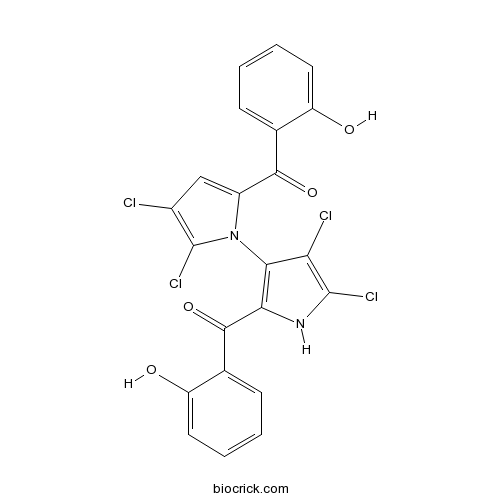
Marinopyrrole A
Maritoclax (Marinopyrrole A) is a novel and specific Mcl-1 inhibitor with an IC50 value of 10.1 μM, and shows >8 fold selectivity than BCL-xl (IC50 > 80 μM).
-
BCC2256
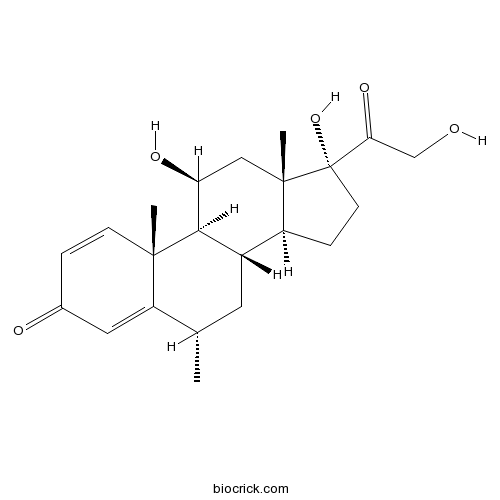
Methylprednisolone
Methylprednisolone is a synthetic corticosteroid with anti-inflammatory and immunomodulating properties.
-
BCN2702
Gossypol
Gossypol, a natural product isolated from cottonseeds and roots, binds to Bcl-xL protein and Bcl-2 protein with Kis of 0.5-0.6 μM and 0.2-0.3 mM, respectively.

-
BCC2397
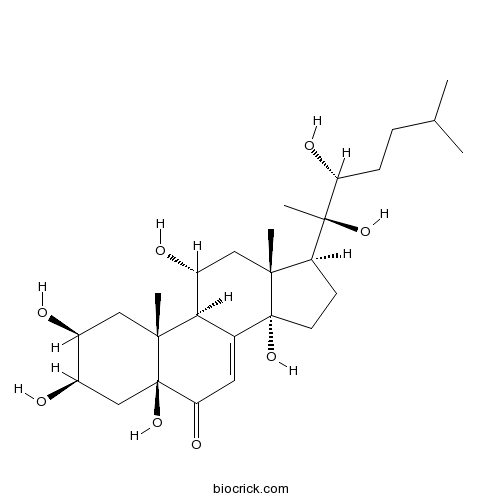
Muristerone A
Stimulates Bcl-XL mRNA transcription; antiapoptotic
-
BCC2398
SU 9516
SU9516 is a potent CDK2 inhibitor, with an IC50 of 22 nM, and also shows inhibitory effects on CDK1 and CDK4, with IC50s of 40, 200 nM, respectively.

-
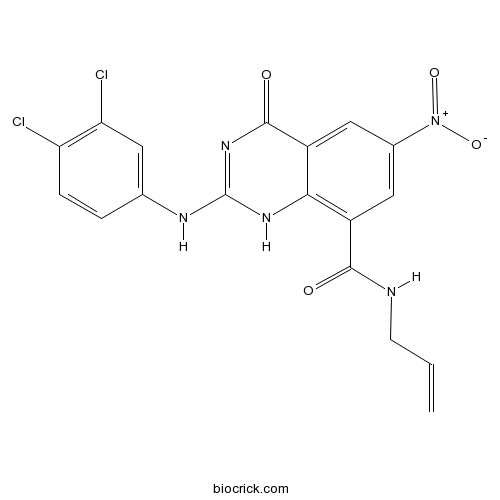
BCC2356
AZ 10417808
Selective non-peptide caspase-3 inhibitor
-
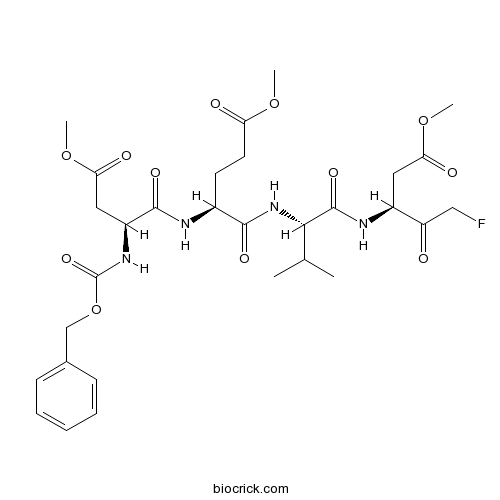
BCC1137
Z-DEVD-FMK
Z-DEVD-FMK is a specific and irreversible caspase-3 inhibitor with IC50 of 18 μM.
-
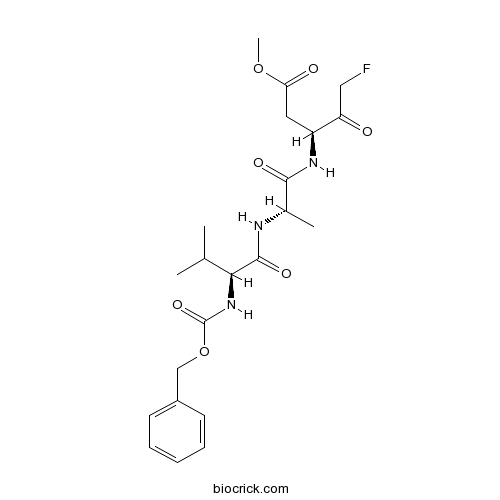
BCC1126
Z-VAD-FMK
Z-VAD(OMe)-FMK (Z-Val-Ala-Asp(OMe)-FMK) is a cell-permeable and irreversible pan-caspase inhibitor. Z-VAD(OMe)-FMK is an ubiquitin carboxy-terminal hydrolase L1 (UCHL1) inhibitor. Z-VAD(OMe)-FMK irreversibly modifies UCHL1 by targeting the active site of UCHL1.
-
BCC1138
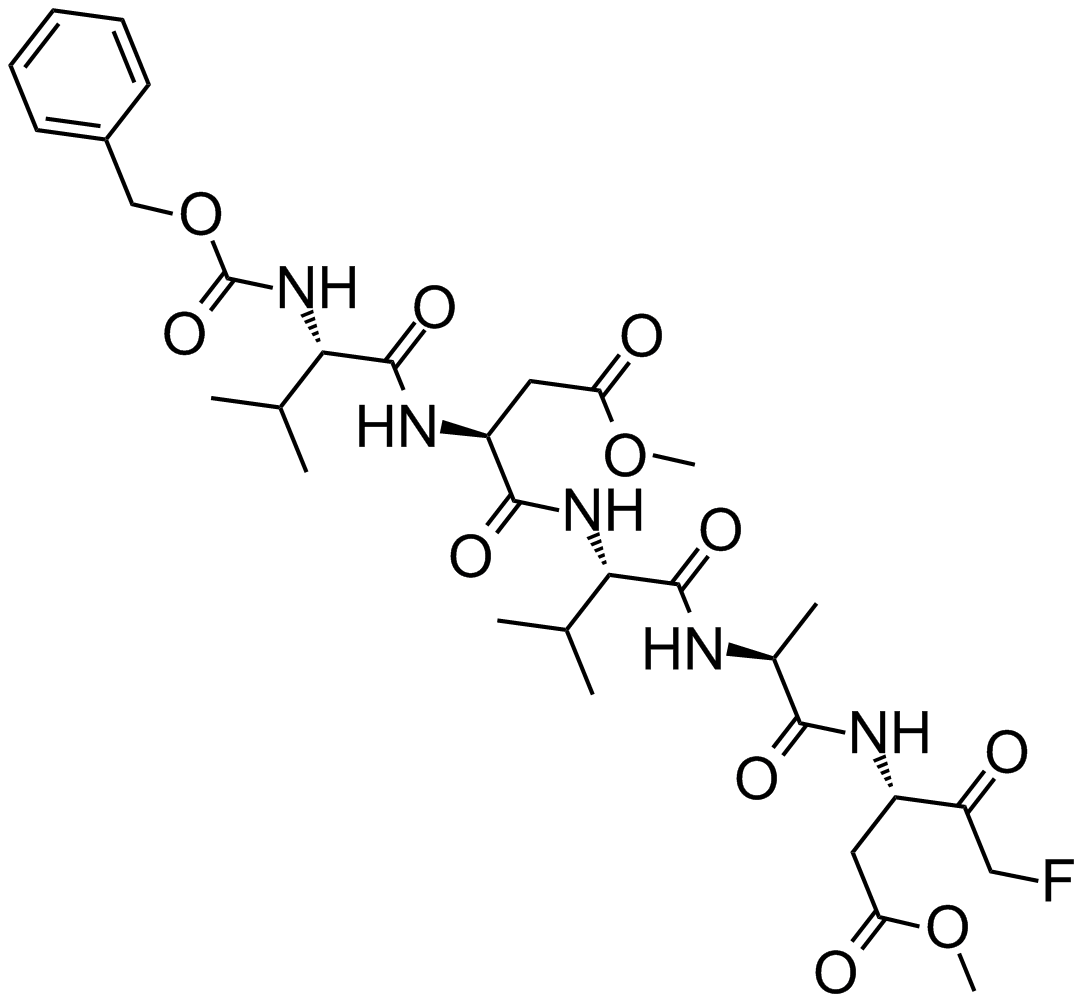
Z-VDVAD-FMK
N/A