Apoptosis
Apoptosis is a mechanism of cell death that occurs after sufficient cellular damage. It occurs normally during development and aging and is considered a vital component of cell turnover, cell development and function of the immune system. It occurs as a defense mechanism such as in immune reactions or when cells are damaged by disease or noxious agents.Apoptosis, in general, confers advantages during an organism's life cycle. Between 50 billion and 70 billion cells die each day due to apoptosis in the average human adult. In a year, this amounts to the proliferation and subsequent destruction of a mass of cells equal to an individual's body weight. Inappropriate apoptosis is a factor in many human conditions including neurodegenerative diseases, ischemic damage, autoimmune disorders and many types of cancer. The ability to modulate the life or death of a cell is recognized for its profound therapeutic potential, and research continues to focus on the elucidation of the cell cycle machinery and signaling pathways that control cell cycle arrest and apoptosis.
Apoptosis Products Targets
Products for Apoptosis - Page 6
- Cat.No. Product Name Information/Activity
-
BCC2358
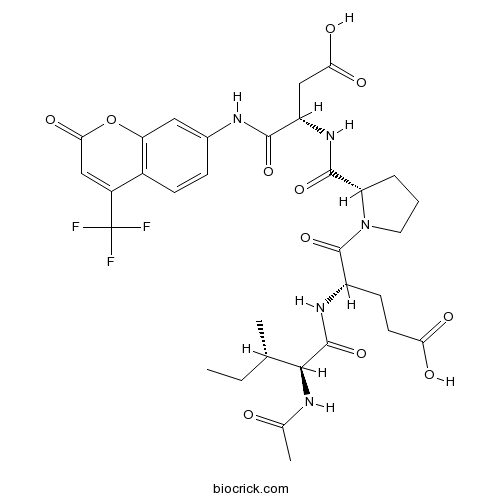
Ac-IEPD-AFC
Ac-IEPD-AFC (IEPD) is a substrate of Granzyme B.
-
BCC2359
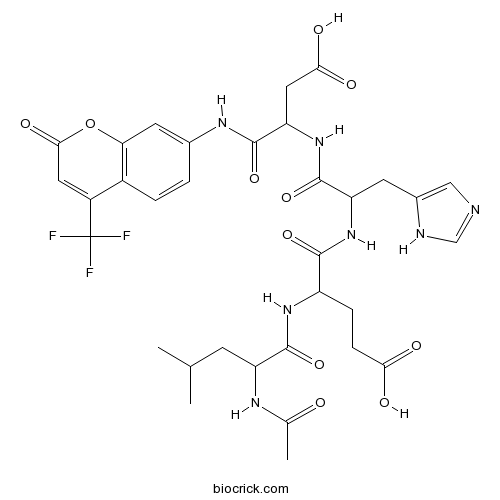
Ac-LEHD-AFC
210345-03-2
-
BCC3600
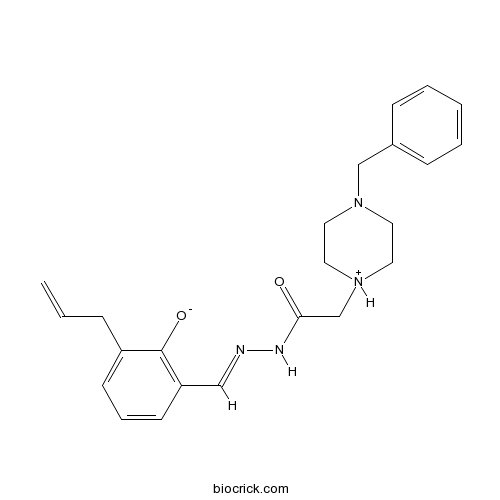
PAC-1
PAC-1 is an activator of procaspase-3 induces apoptosis in cancer cells with EC50 of 2.08 μM.
-
BCC2360
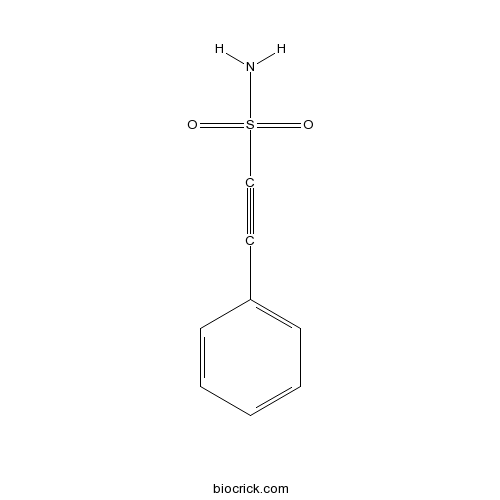
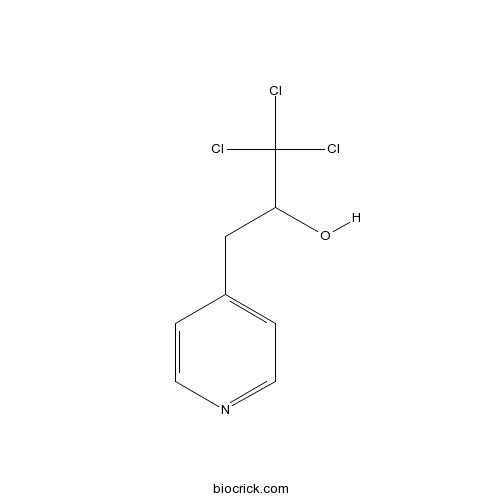
PETCM
PETCM is an activator of caspase-3 and acts as an cytochrome c (cyto c)-dependent manner. PETCM promotes Apaf-1 oligomerization and induces cell apoptosis in HeLa cells.
-
BCN2678
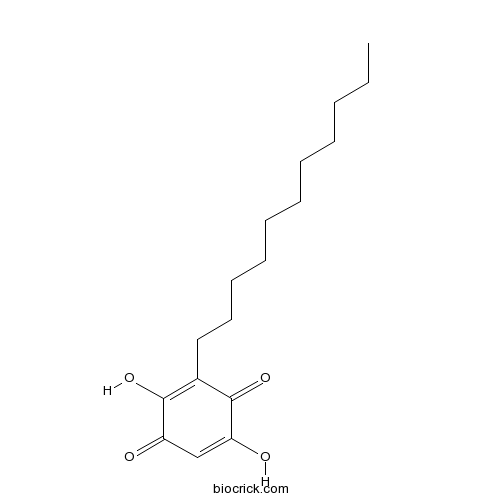
Embelin
Embelin is a cell-permeable benzoquinone compound that exhibits antitumor properties.
-
BCC8042
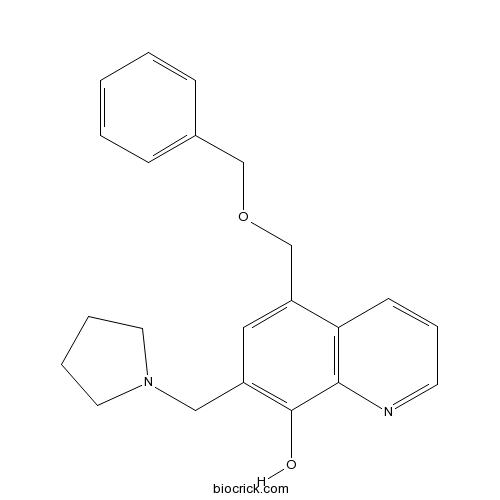
UC 112
UC-112 is a novel potent IAP(Inhibitor of apoptosis) inhibitor; potently inhibit cell growth in two human melanoma (A375 and M14) and two human prostate (PC-3 and DU145) cancer cell lines(IC50=0.7-3.4 uM).
-
BCN5984
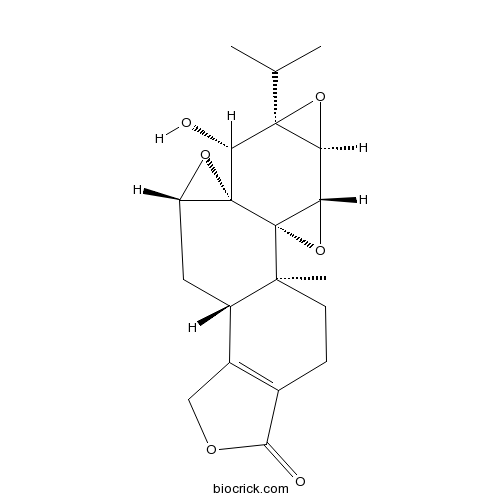
Triptolide
Triptolide is a diterpenoid triepoxide extracted from the root of Tripterygium wilfordii with immunosuppressive, anti-inflammatory and antiproliferative effects. Triptolide is a NF-κB activation inhibitor.
-
BCC2241
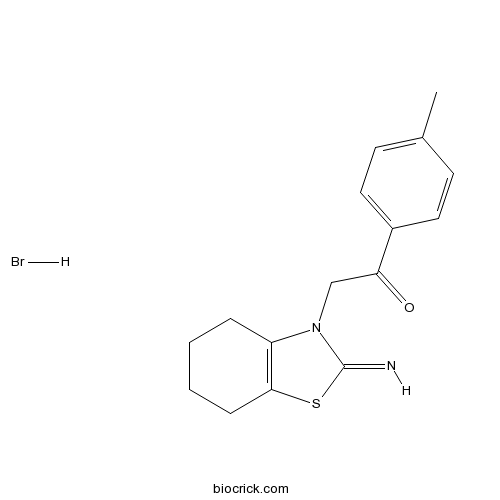
Pifithrin-α (PFTα)
Pifithrin-α hydrobromide is a p53 inhibitor which blocks its transcriptional activity and prevents cells from apoptosis. Pifithrin-α hydrobromide is also an aryl hydrocarbon receptor (AhR) agonist.
-
BCC2407
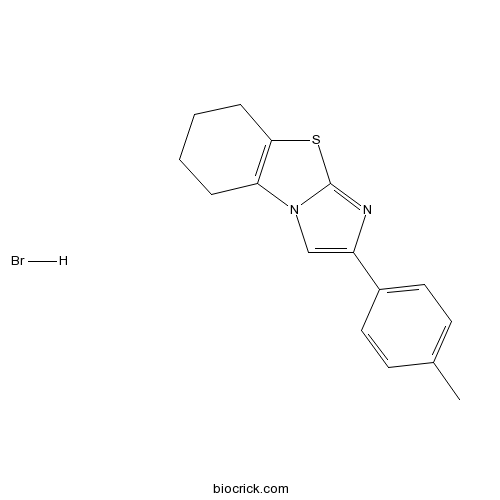
Cyclic Pifithrin-α hydrobromide
Pifithrin-β hydrobromide (PFT β hydrobromide) is a potent p53 inhibitor with an IC50 of 23 μM.
-
BCC2412
Pifithrin-μ
Pifithrin-μ is an inhibitor of p53 and HSP70, with antitumor and neuroprotective activity.