Apoptosis
Apoptosis is a mechanism of cell death that occurs after sufficient cellular damage. It occurs normally during development and aging and is considered a vital component of cell turnover, cell development and function of the immune system. It occurs as a defense mechanism such as in immune reactions or when cells are damaged by disease or noxious agents.Apoptosis, in general, confers advantages during an organism's life cycle. Between 50 billion and 70 billion cells die each day due to apoptosis in the average human adult. In a year, this amounts to the proliferation and subsequent destruction of a mass of cells equal to an individual's body weight. Inappropriate apoptosis is a factor in many human conditions including neurodegenerative diseases, ischemic damage, autoimmune disorders and many types of cancer. The ability to modulate the life or death of a cell is recognized for its profound therapeutic potential, and research continues to focus on the elucidation of the cell cycle machinery and signaling pathways that control cell cycle arrest and apoptosis.
Apoptosis Products Targets
Products for Apoptosis - Page 2
- Cat.No. Product Name Information/Activity
-
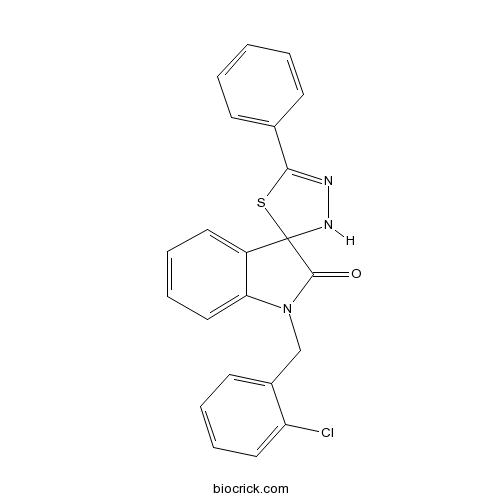
BCC8017
CFM 4
331458-02-7
-
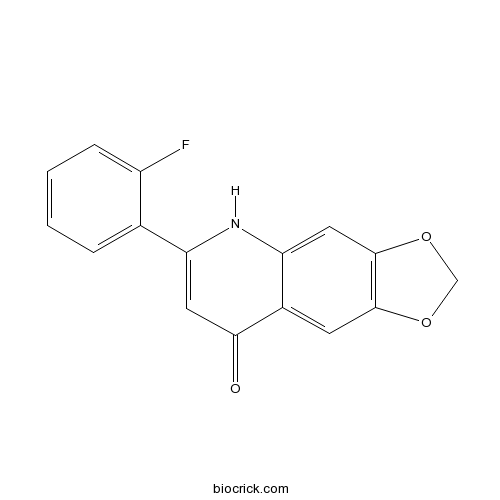
BCC2387
CHM 1
Potent antitumor agent; inducer of apoptosis
-
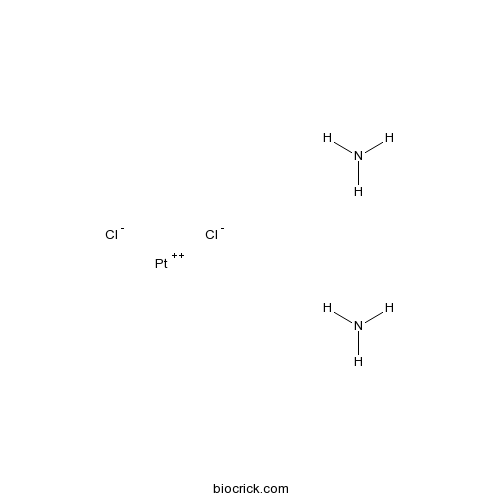
BCN1552
Cisplatin
Potent pro-apoptotic anticancer agent; activates caspase-3,Cisplatin is an inorganic platinum complex, which is able to inhibit DNA synthesis by conforming DNA adducts in tumor cells.
-
BCC1173
Cladribine
Cladribine is an adenosine deaminase inhibitor used to treat hairy cell leukemia and multiple sclerosis.

-
BCN5504
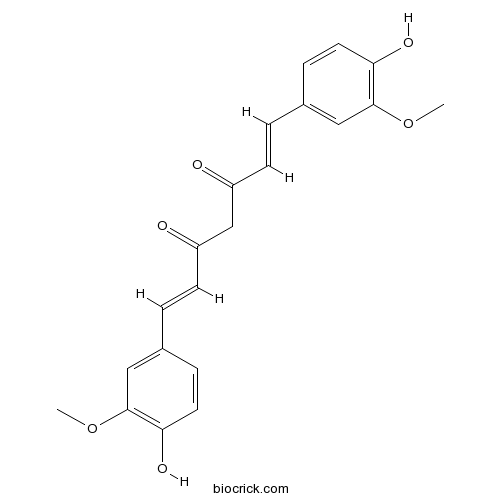
Curcumin
Curcumin (Diferuloylmethane), a natural phenolic compound, is a p300/CREB-binding protein-specific inhibitor of acetyltransferase, represses the acetylation of histone/nonhistone proteins and histone acetyltransferase-dependent chromatin transcription. Curcumin shows inhibitory effects on NF-κB and MAPKs, and has diverse pharmacologic effects including anti-inflammatory, antioxidant, antiproliferative and antiangiogenic activities.
-
BCC1185
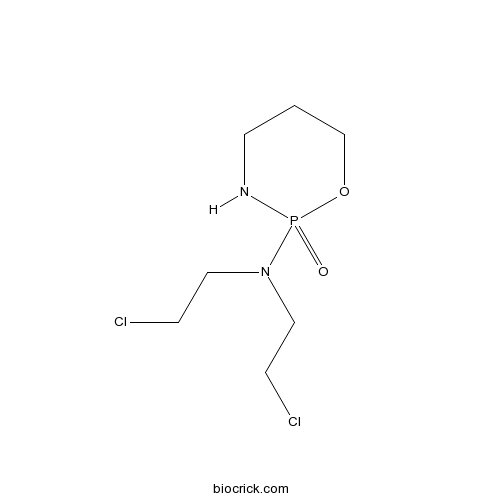
Cyclophosphamide
Cyclophosphamide is a synthetic alkylating agent chemically related to the nitrogen mustards with antineoplastic activity, a immunosuppressant.
-
BCN4804
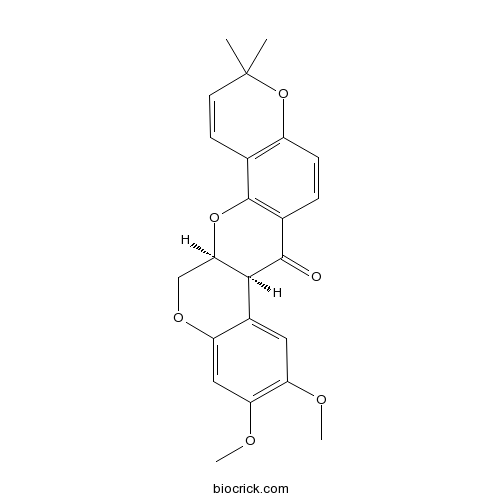
Deguelin
Deguelin, a naturally occurring rotenoid, is a potent PI3K/AKT inhibitor.
-
BCC1117
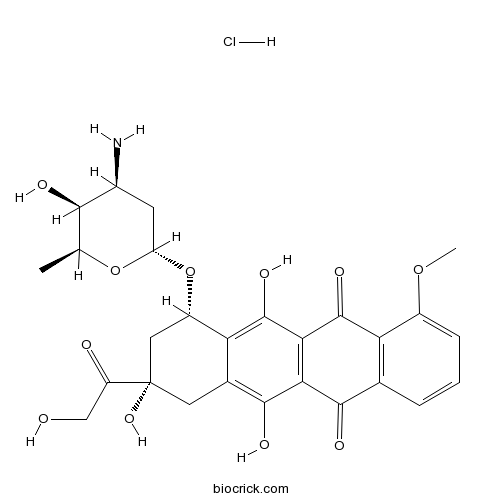
Doxorubicin (Adriamycin) HCl
Doxorubicin hydrochloride (Hydroxydaunorubicin hydrochloride), a cytotoxic anthracycline antibiotic, is an anti-cancer chemotherapy agent. Doxorubicin hydrochloride inhibits topoisomerase II with an IC50 of 2.67 μM, thus stopping DNA replication. Doxorubicin hydrochloride reduces basal phosphorylation of AMPK and its downstream target acetyl-CoA carboxylase. Doxorubicin hydrochloride induces apoptosis and autophagy. Doxorubicin hydrochloride inhibits human DNA topoisomerase I with an IC50 of 0.8 μM.
-
BCC2518
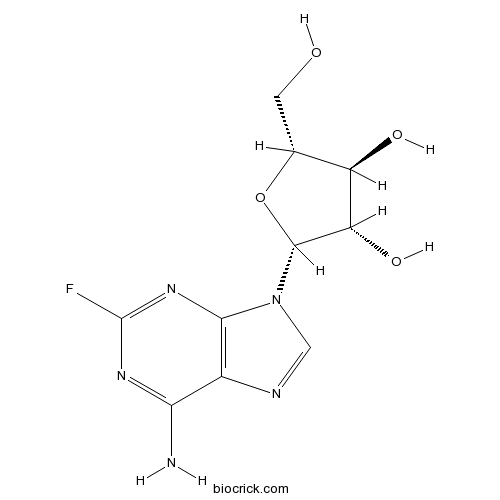
Fludarabine
Fludarabine (NSC 118218) is a DNA synthesis inhibitor, which also inhibits phosphorylation of STAT1. Fludarabine, a pro-drug, is converted metabolically by dephosphorylation to the antimetabolite, F-ara-A.
-
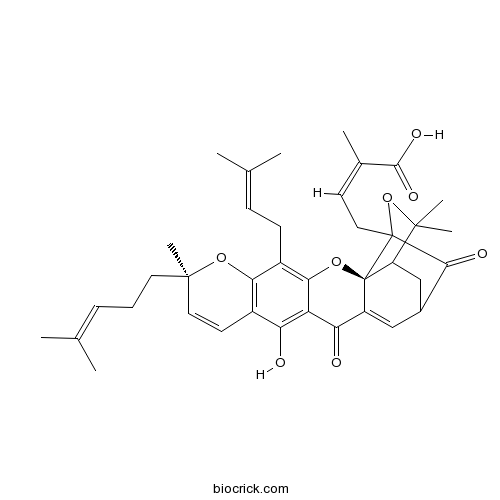
BCN2318
Gambogic acid
Gambogic Acid (Beta-Guttiferrin) is derived from the gamboges resin of the tree Garcinia hanburyi. Gambogic Acid (Beta-Guttiferrin) inhibits Bcl-XL, Bcl-2, Bcl-W, Bcl-B, Bfl-1 and Mcl-1 with IC50s of 1.47 μM, 1.21 μM, 2.02 μM, 0.66 μM, 1.06 μM and 0.79 μM.