
Apoptosis
Apoptosis is a mechanism of cell death that occurs after sufficient cellular damage. It occurs normally during development and aging and is considered a vital component of cell turnover, cell development and function of the immune system. It occurs as a defense mechanism such as in immune reactions or when cells are damaged by disease or noxious agents.Apoptosis, in general, confers advantages during an organism's life cycle. Between 50 billion and 70 billion cells die each day due to apoptosis in the average human adult. In a year, this amounts to the proliferation and subsequent destruction of a mass of cells equal to an individual's body weight. Inappropriate apoptosis is a factor in many human conditions including neurodegenerative diseases, ischemic damage, autoimmune disorders and many types of cancer. The ability to modulate the life or death of a cell is recognized for its profound therapeutic potential, and research continues to focus on the elucidation of the cell cycle machinery and signaling pathways that control cell cycle arrest and apoptosis.
Apoptosis Products Targets
Products for Apoptosis - Page 9
- Cat.No. Product Name Information/Activity
-
BCC2323
Ferrostatin-1 (Fer-1)
Ferrostatin-1 is a potent inhibitor of ferroptosis with an EC50 of 60 nM.

-
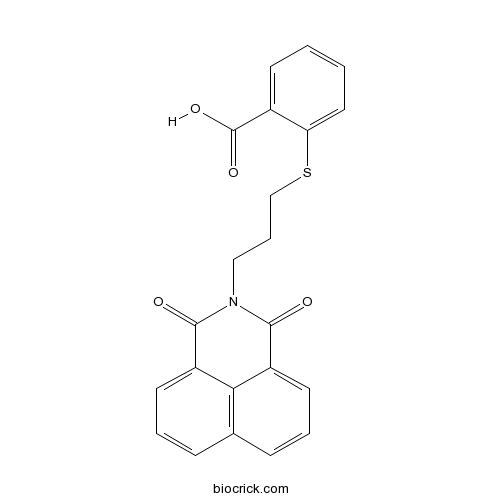
BCC2401
GRI 977143
Selective LPA<sub>2</sub> agonist; antiapoptotic
-
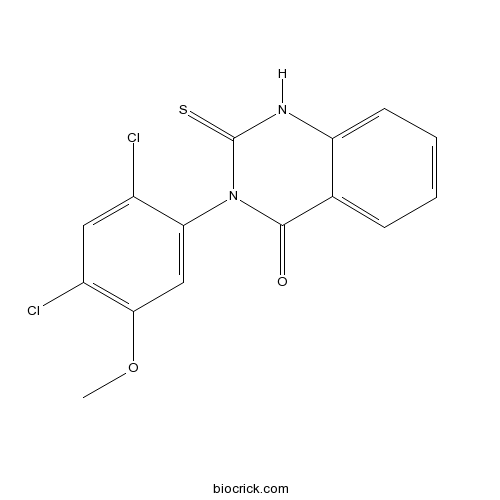
BCC2402
Mdivi 1
Mdivi-1 is a selective dynamin-related protein 1 (Drp1) inhibitor. Mdivi-1 is a mitochondrial division/mitophagy inhibitor.
-
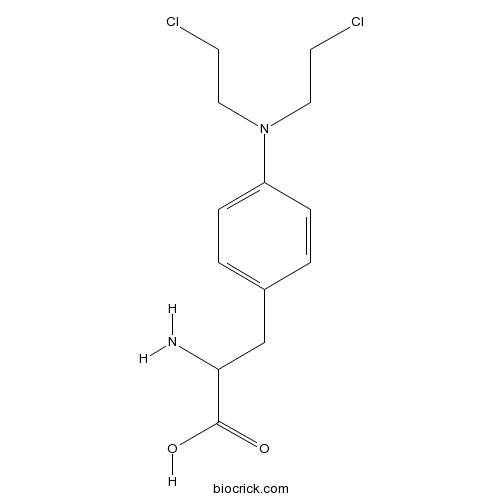
BCC2403
Melphalan
Melphalan is an effective DNA alkylating agent, with potent antitumor activity.
-
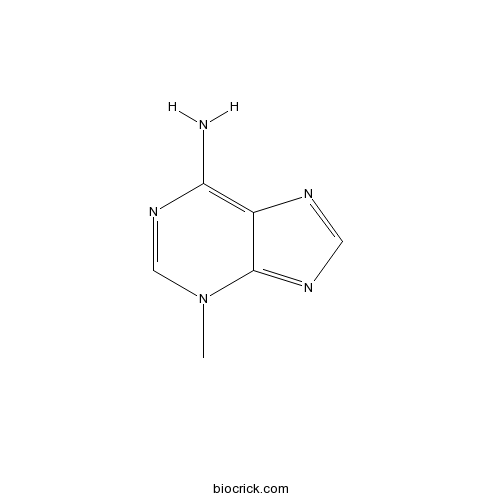
BCC3714
3-Methyladenine
3-Methyladenine is a PI3K inhibitor. 3-Methyladenine is a widely used inhibitor of autophagy via its inhibitory effect on class III PI3K.
-
BCC2247
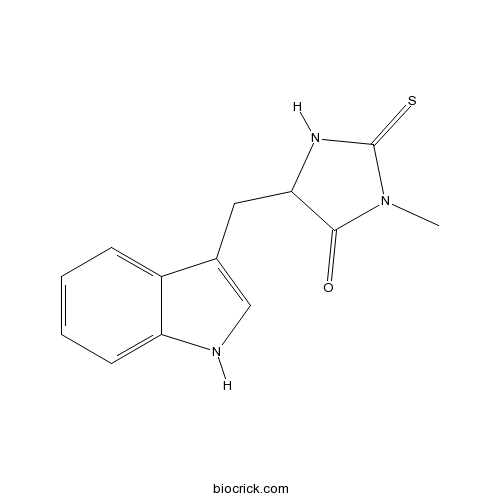
Necrostatin-1
Necrostatin-1 (Nec-1) is a potent necroptosis inhibitor with an EC50 of 490 nM in Jurkat cells. Necrostatin-1 inhibits RIP1 kinase (EC50=182 nM). Necrostatin-1 is also an IDO inhibitor.
-
BCC7992
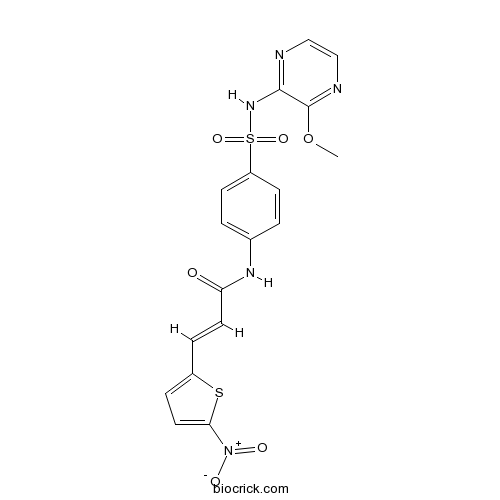
Necrosulfonamide
(E)-Necrosulfonamide is a necroptosis inhibitor acting by selectively targeting the mixed lineage kinase domain-like protein (MLKL) to block the necrosome formation.
-
BCC2405
TLQP 21
869988-94-3