Apoptosis
Apoptosis is a mechanism of cell death that occurs after sufficient cellular damage. It occurs normally during development and aging and is considered a vital component of cell turnover, cell development and function of the immune system. It occurs as a defense mechanism such as in immune reactions or when cells are damaged by disease or noxious agents.Apoptosis, in general, confers advantages during an organism's life cycle. Between 50 billion and 70 billion cells die each day due to apoptosis in the average human adult. In a year, this amounts to the proliferation and subsequent destruction of a mass of cells equal to an individual's body weight. Inappropriate apoptosis is a factor in many human conditions including neurodegenerative diseases, ischemic damage, autoimmune disorders and many types of cancer. The ability to modulate the life or death of a cell is recognized for its profound therapeutic potential, and research continues to focus on the elucidation of the cell cycle machinery and signaling pathways that control cell cycle arrest and apoptosis.
Apoptosis Products Targets
Products for Apoptosis - Page 8
- Cat.No. Product Name Information/Activity
-
BCC2409
MIRA-1
Restores mutant p53 activity; proapoptotic

-
BCC2411
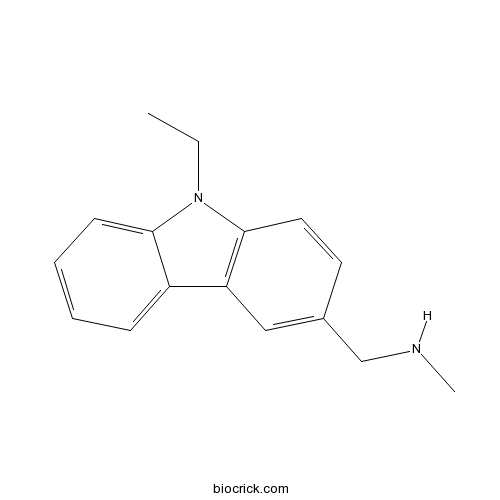
PhiKan 083
PhiKan 083 is a carbazole derivative, which binds to the surface cavity and stabilizes Y220C (a p53 mutant), with a Kd of 167 μM, and a relative binding affinity (Kd) of 150 μM in Ln229 cells.
-
BCC2413
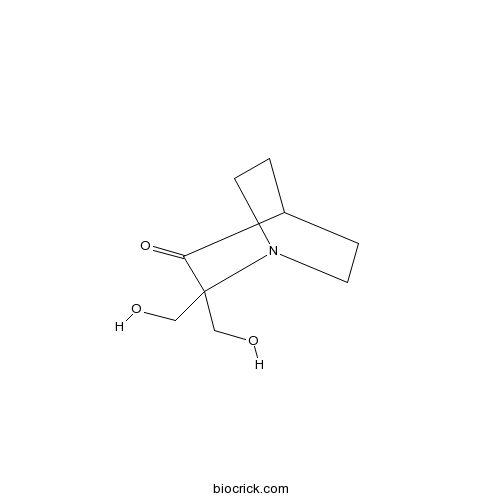
PRIMA-1
PRIMA-1 (NSC-281668) is a mutant p53 reactivator, restores the sensitivity of TP53 mutant-type thyroid cancer cells to the histone methylation inhibitor 3-Deazaneplanocin A.
-
BCC2414
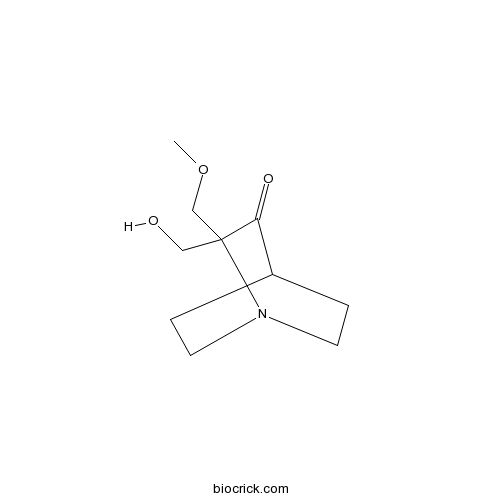
PRIMA-1MET
PRIMA-1Met restores wild-type conformation and function to mutant p53, and triggers apoptosis in tumor cells. PRIMA-1Met also targets the selenoprotein thioredoxin reductase 1 (TrxR1), a key regulator of cellular redox balance.
-
BCC6131
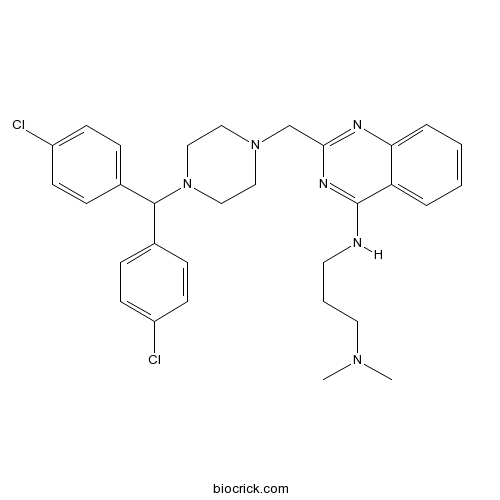
SCH 529074
922150-11-6
-
BCC2399
Cesium chloride
Potassium channel blocker; neuroprotective

-
BCC3911
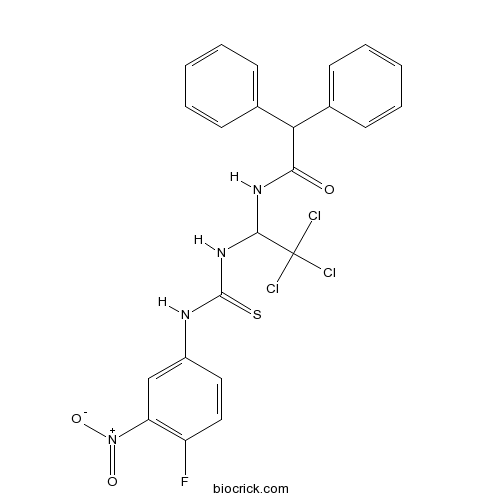
CGK733
CGK733 is a potent ATM/ATR inhibitor, used for the research of cancer.
-
BCC2400
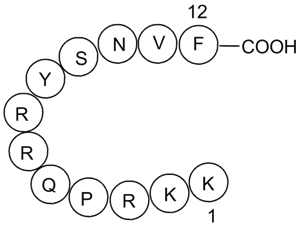
DAPK Substrate Peptide
Death associated protein kinase substrate (synthetic)
-
BCC1306
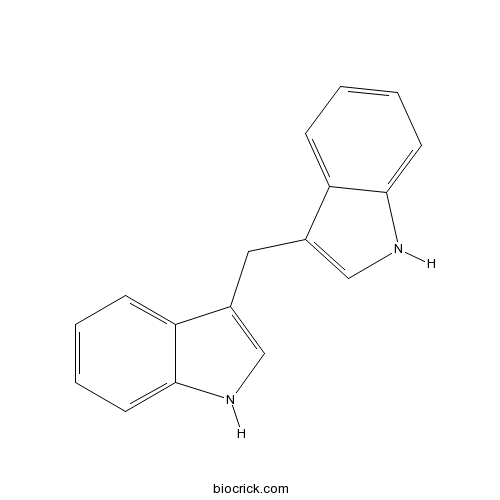
3,3'-Diindolylmethane
3,3'-Diindolylmethane is a strong, pure androgen receptor (AR) antagonist.
-
BCC4497
Erastin
Erastin is a ferroptosis inducer. Erastin binds and inhibits voltage-dependent anion channels (VDAC2/VDAC3).