Microtubule
Microtubules are cylindrical tubes of 20-25 nm in diameter. They are composed of protofilaments which are in turn composed of α - and β -tubulin polymers. Each microtubule is polarized; at one end α -subunits are exposed (-) and at the other, β -subunits are exposed (+).
Products for Microtubule
- Cat.No. Product Name Information/Activity
-
BCC1085
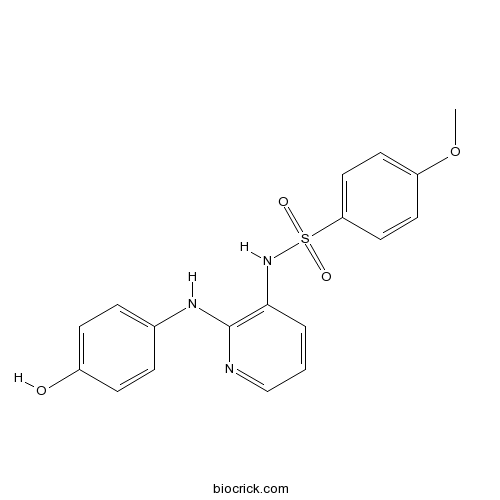
ABT-751 (E7010)
ABT-751(E 7010) is a novel bioavailable tubulin-binding and antimitotic sulfonamide agent with IC50 of about 1.5 and 3.4 μM in neuroblastoma and non-neuroblastoma cell lines, respectively.
-
BCC7274
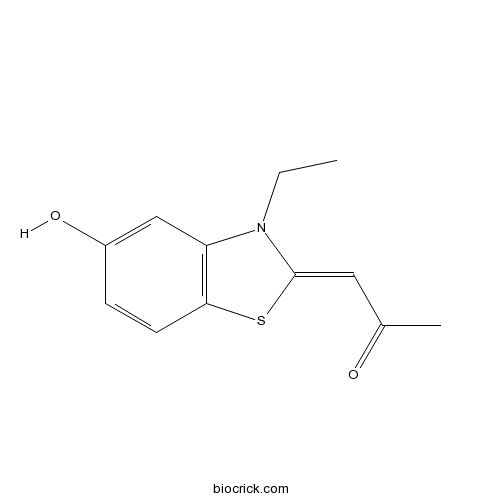
CMPD-1
CMPD1 is a selective and non-ATP-competitive p38 MAPK-mediated MK2 phosphorylation inhibitor with apparent Ki (Kiapp) of 330 nM.
-
BCN6271
Colchicine
Colchicine is a tubulin inhibitor and a microtubule disrupting agent. Colchicine inhibits microtubule polymerization with an IC50 of 3 nM.

-
BCC7089
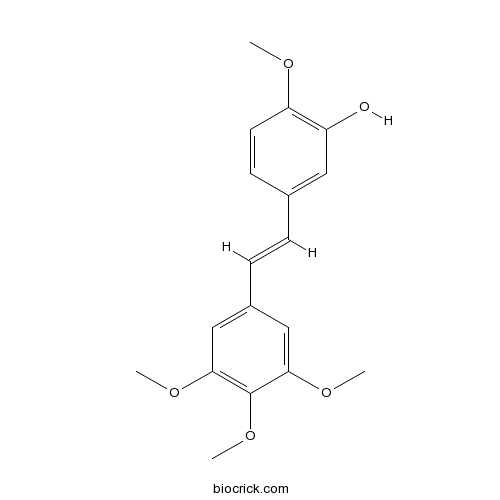
Combretastatin A4
Combretastatin A4 is a microtubule-targeting agent that binds β-tubulin with Kd of 0.4 μM.
-
BCC1510
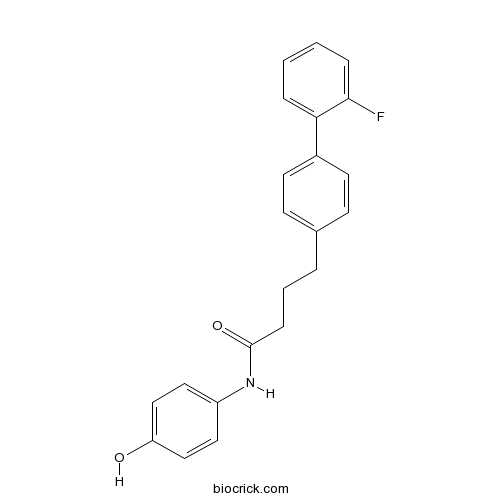
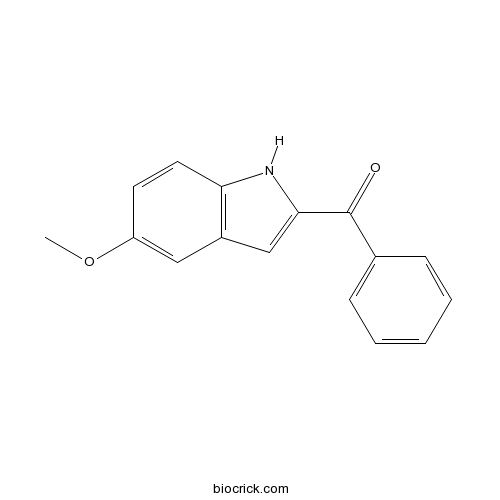
D-64131
D-64131 is a novel inhibitor of Tubulin polymerization that competitively binds with [(3)H]colchicine to αβ-Tubulin.
-
BCN5342
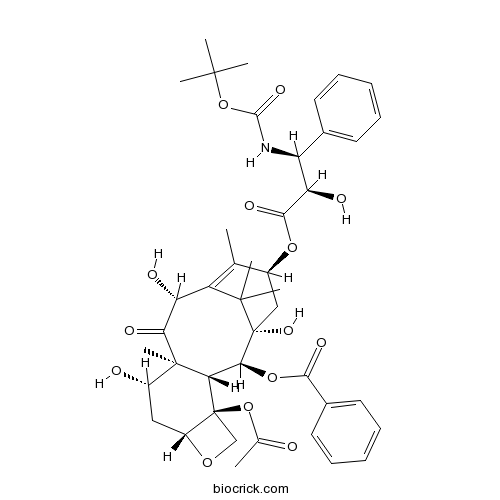
Docetaxel
Docetaxel (RP-56976) is an antineoplastic agent and inhibits microtubule depolymerization with an IC50 value of 0.2 μM. Docetaxel (RP-56976) is a semisynthetic analog of taxol and attenuates the effects of bcl-2 and bcl-xL gene expression. Docetaxel (RP-56976) arrests the cell cycle at G2/M and leads to cell apoptosis.
-
BCC1092
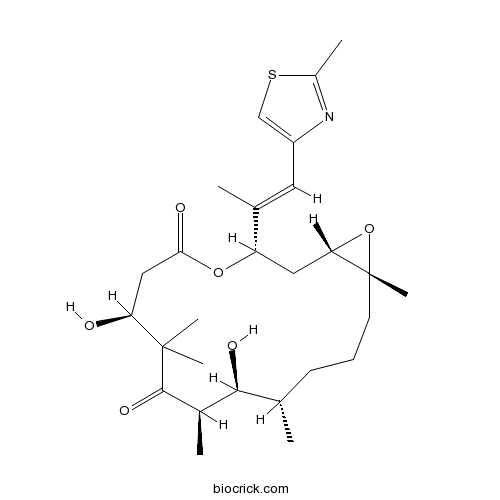
Epothilone B (EPO906, Patupilone)
Epothilone B is a microtubule stabilizer with a Ki of 0.71μM. It acts by binding to the αβ-tubulin heterodimer subunit which causes decreasing of αβ-tubulin dissociation.
-
BCC7298
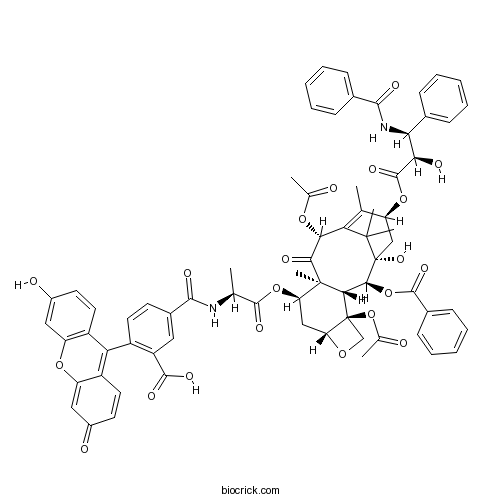
Flutax 1
191930-58-2
-
BCN5494
Harmine
Harmine is a natural dual-specificity tyrosine phosphorylation-regulated kinase (DYRK) inhibitor with anticancer and anti-inflammatory activities. Harmine has a high affinity of 5-HT2A serotonin receptor, with an Ki of 397 nM.

-
BCC6349
INDY
INDY is a potent and ATP-competitive Dyrk1A and Dyrk1B inhibitor with IC50s of 0.24 μM and 0.23 μM, respectively. INDY binds in the ATP pocket of the enzyme and has a Ki value of 0.18 μM for Dyrk1A. INDY sharply reduces the self-renewal capacity of normal and tumorigenic cells in primary Glioblastoma (GBM) cell lines and neural progenitor cells.