Cardiovascular Research
The cardiovascular, or circulatory, system is a closed elastic circuit consisting of the heart, blood vessels (arteries, capillaries and veins) and the blood. The primary function is to pump oxygenated blood to the tissues throughout the body and reabsorb waste carbon dioxide for its removal. This function is performed by the use of pulmonary and systemic circulation.
Cardiovascular Research Products Areas
Products for Cardiovascular Research - Page 96
- Cat.No. Product Name Information/Activity
-
BCC8040
MPC 6827 hydrochloride
Verubulin hydrochloride (MPC-6827 hydrochloride) is a blood brain barrier permeable microtubule-disrupting agent, with potent and broad-spectrum in vitro and in vivo cytotoxic activities. Verubulin hydrochloride (MPC-6827 hydrochloride) exhibits potent anticancer activity in human MX-1 breast and other mouse xenograft cancer models. Verubulin hydrochloride (MPC 6827 hydrochloride) is a promising candidate for the treatment of multiple cancer types.

-
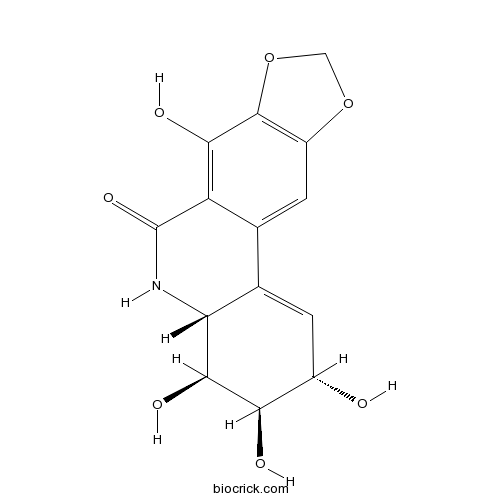
BCN4732
Narciclasine
Narciclasine is a plant growth modulator. Narciclasine modulates the Rho/Rho kinase/LIM kinase/cofilin signaling pathway, greatly increasing GTPase RhoA activity as well as inducing actin stress fiber formation in a RhoA-dependent manner.
-
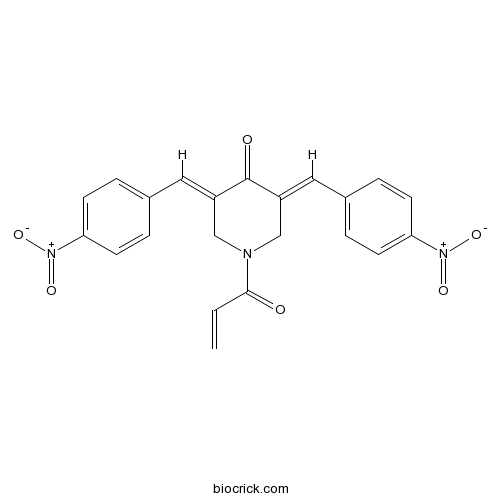
BCC2389
NSC 687852 (b-AP15)
b-AP15 is a specific inhibitor of the deubiquitinating enzymes UCHL5 and Usp14.
-
BCC2390
Oncrasin 1
Oncrasin-1 is a potent and effective anticancer inhibitor that kills various human lung cancer cells with K-Ras mutations at low or submicromolar concentrations; also led to abnormal aggregation of PKCι in nucleus of sensitive cells but not in resistant cells.

-
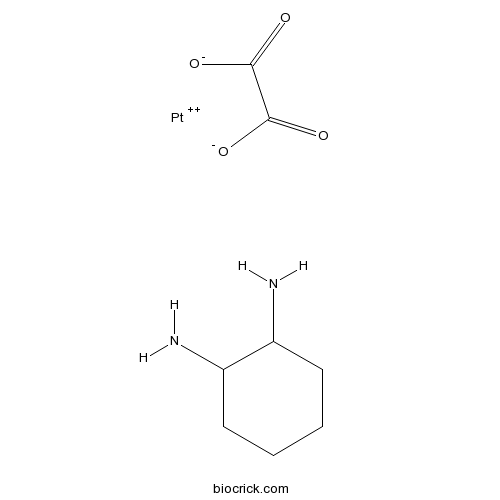
BCC3932
Oxaliplatin
Oxaliplatin is a DNA synthesis inhibitor. Oxaliplatin causes DNA crosslinking damage, prevents DNA replication and transcription and causes cell death. Oxaliplatin time-dependently inhibits human melanoma cell lines C32 and G361 with IC50 values of 0.98 μM and 0.14 μM, respectively. Oxaliplatin induces cell autophagy.
-
BCC2148
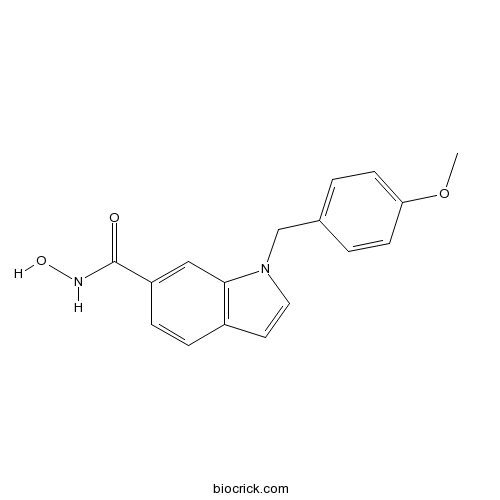
PCI-34051
PCI-34051 is a potent and selective HDAC8 inhibitor with IC50 of 10 nM, with >200-fold selectivity over the other HDAC isoforms.
-
BCN4037
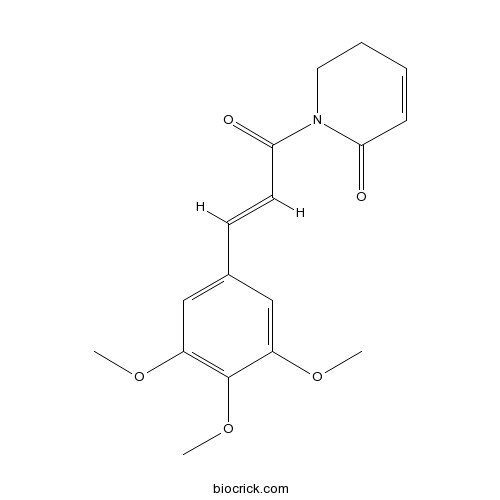
Piplartine
Piperlongumine is a natural alkaloid isolated from Piper longum Linn, possesses ant-inflammatory, antibacterial, antiangiogenic, antioxidant, antitumor, and antidiabetic activities. Piperlongumine induces ROS, and induces apoptosis in cancer cell lines. Piperlongumine shows anti-cardiac fibrosis activity, suppresses myofibroblast transformation via suppression of the ERK1/2 signaling pathway.
-
BCN2586
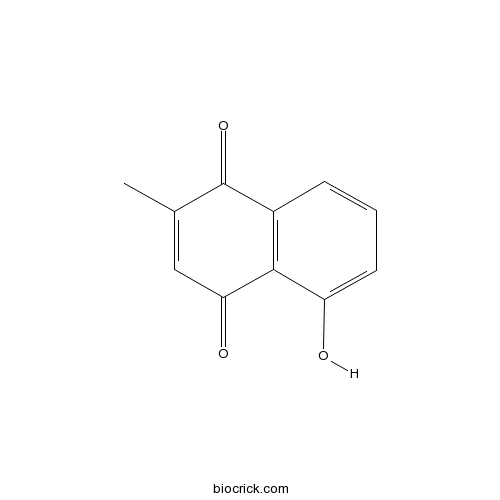
Plumbagin
Plumbagin (2-Methyljuglone) is a naphthoquinone isolated from Plumbago zeylanica L, exhibits anticancer and antiproliferative activities.
-
BCC3848
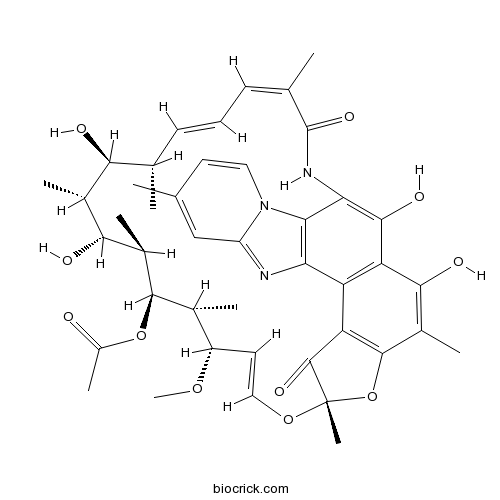
Rifaximin (Xifaxan)
Rifaximin(Xifaxan) is an orally administered, semi-synthetic, nonsystemic antibiotic derived from rifamycin SV with antibacterial activity.
-
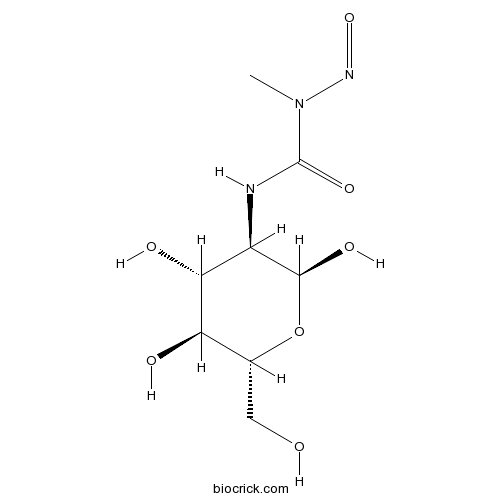
BCN3834
Streptozotocin
Streptozocin is a potent DNA-methylating antibiotic. Streptozotocin causes methylation of liver and kidney and pancreatic DNA, but no methylation in brain DNA.