Myocardial Infarction Research
Myocardial infarction (MI) - more commonly referred to as a heart attack - is an acute event caused by the interruption of blood supply to regions of the heart, leading to myocardial necrosis. Infarction of a substantial area of the myocardium can disrupt normal conductance of the heart, leading to cardiac arrest.In the majority of cases, an MI is immediately preceded by the presence of an occlusive thrombus within a coronary artery, blocking blood flow to the downstream tissue. The most common cause of an occlusive thrombus within a coronary artery is the rupture of an atherosclerotic plaque. However, the occlusion of a coronary artery may also result from coronary embolism. This can occur in patients following stent placement, angioplasty, and coronary artery bypass grafting.
Myocardial Infarction Research Products Targets
- Adenosine A2B Receptor (7)
- Adenosine A2A Receptor (11)
- Voltage-gated Sodium (NaV) Channel (30)
- Voltage-gated Potassium (KV) Channel (38)
- Voltage-gated Calcium Channel (CaV) (38)
- Cell Adhesion Molecule (21)
- Others (10)
- Cyclooxygenase (24)
- Epithelial Sodium Channel (3)
- STIM-Orai Channel (4)
- Ryanodine Receptor (6)
- Angiotensin-Converting Enzyme (8)
- IP3 Receptor (2)
- Adenosine A3 Receptor (8)
- Adenosine A1 Receptor (12)
- Acid-Sensing Ion Channel (3)
- Calcium-Activated Potassium (KCa) Channel (19)
- Inward Rectifier Potassium (Kir) Channel (21)
- NO donors and precursors (9)
- nNOS (5)
- iNOS (11)
- eNOS (1)
- Stem Cell Differentiation (54)
- Delta opioid receptor (16)
- Cathepsin (9)
- Adrenergic β3 Receptor (12)
- Adrenergic β2 Receptor (6)
- Adrenergic β1 Receptor (7)
- Prostanoid Receptor (24)
Products for Myocardial Infarction Research - Page 28
- Cat.No. Product Name Information/Activity
-
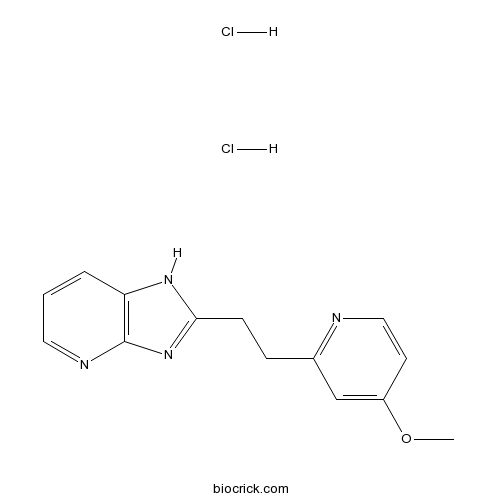
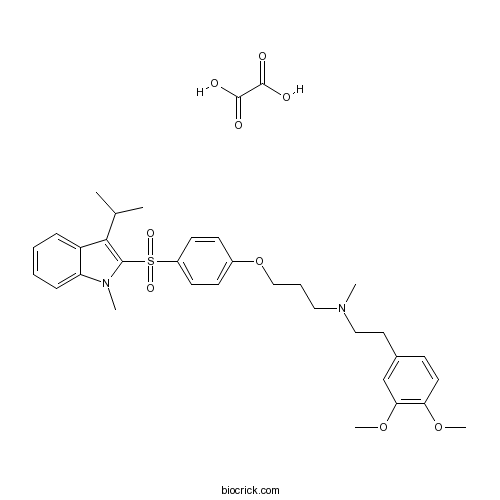
BCC7181
SR 33805 oxalate
121346-33-6
-
BCC4747
Verapamil HCl
Verapamil hydrochloride ((±)-Verapamil hydrochloride) is a calcium channel antagonist.

-
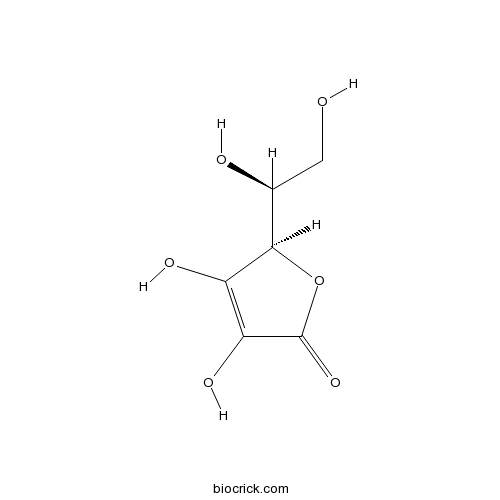
BCN2207
Ascorbic acid
PROTAC EED degrader-1 is a PROTAC targeting EED with a pKD of 9.02. PROTAC EED degrader-1 is a polycomb repressive complex 2 (PRC2) inhibitor (pIC50=8.17) targeting the EED subunit.
-
BCC3783
Gabapentin
Gabapentin (Neurontin) is a pharmaceutical drug, specifically a GABA analog.

-
BCN2175
Pregabalin
148553-50-8

-
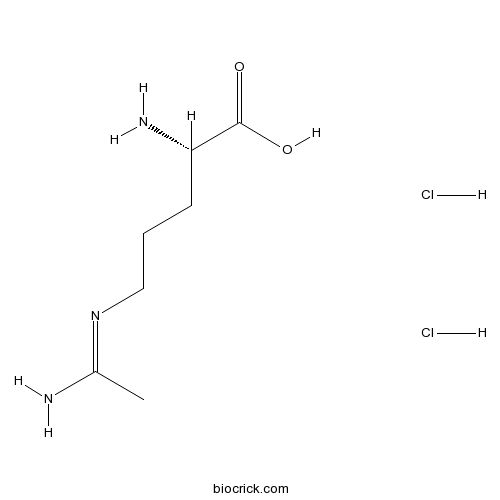
BCC6689
L-NIO dihydrochloride
L-NIO dihydrochloride is a potent, non-selective and NADPH-dependent nitric oxide synthase (NOS) inhibitor, with Kis of 1.7, 3.9, 3.9 μM for neuronal (nNOS), endothelial (eNOS), and inducible (iNOS), respectively. L-NIO dihydrochloride induces a consistentfocal ischemic infarctin rats.
-
BCC6795
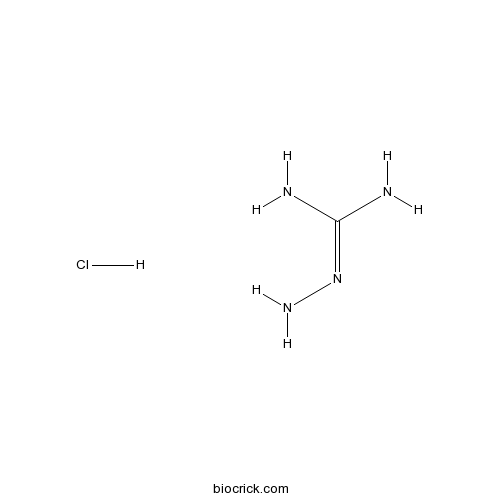
Aminoguanidine hydrochloride
Aminoguanidine hydrochloride is a diamine oxidase and NO synthase inhibitor, reduces levels of advanced glycation end products (AGEs) through interacting with 3-deoxyglucosone, is an investigational drug for the treatment of diabetic nephropathy.
-
BCC6823
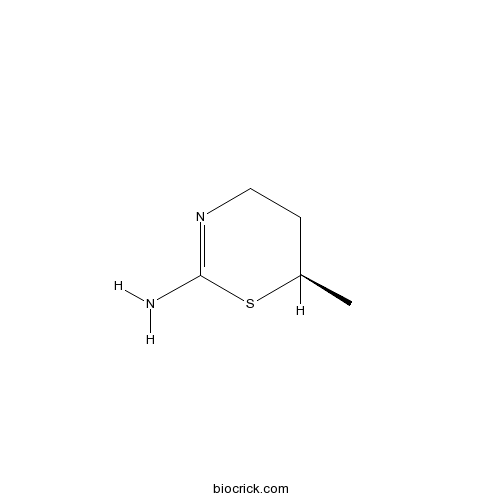
AMT hydrochloride
21463-31-0
-
BCC6092
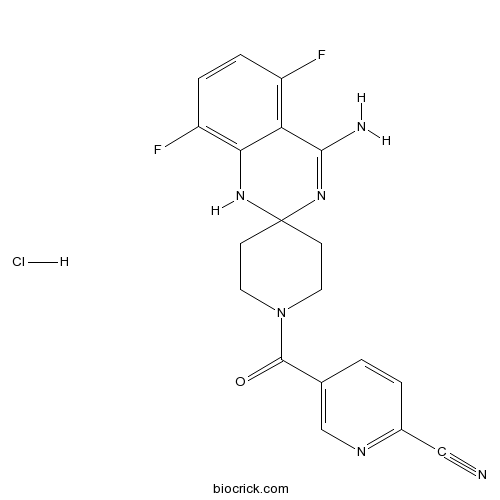
AR-C 102222
253771-21-0
-
BCC7506
BYK 191023 dihydrochloride
Potent and selective inhibitor of iNOS