
Addiction Research
According to the World Health Organization (WHO), addiction is 'a chronic disease of the central nervous system that is characterized by a loss of control over impulsive behavior that leads to compulsive drug seeking and taking, and to relapses even after months of abstinence'. Addiction is a complex neuroadaptive process, where drugs of abuse alter cellular and molecular aspects of neural function. The brain circuits mediating the various behavioral effects of these drugs are rendered more, or less, responsive to those effects.
Addiction Research Products Targets
- Others (13)
- D4 Receptor (12)
- 5-HT7 Receptor (11)
- 5-HT6 Receptor (14)
- 5-ht5 Receptor (2)
- 5-HT4 Receptor (17)
- NOP Receptor (21)
- Mu-Opioid Receptors (15)
- Kappa Opioid Receptors (14)
- AMPA Receptor (45)
- GABAA-ρ Receptor (8)
- GABAA Receptor (66)
- GPR55 (8)
- CB2 Receptor (6)
- CB1 Receptor (17)
- Nicotinic (α7) Receptor (25)
- Nicotinic (α4β2) Receptor (14)
- D3 Receptor (12)
- NMDA Receptor (87)
- Kainate Receptor (22)
- D2 Receptor (14)
- D1 and D5 Receptor (16)
- Glutamate Transporter (18)
- Dopamine Transporter (20)
- CRF2 Receptor (3)
- CRF1 Receptor (5)
- 5-HT Transporter (30)
- Delta opioid receptor (16)
Products for Addiction Research - Page 43
- Cat.No. Product Name Information/Activity
-
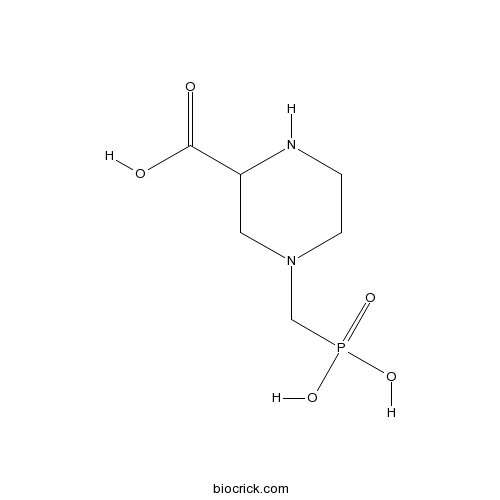
BCC7308
PMPA (NMDA antagonist)
113919-36-1
-
BCC5918
PPDA
684283-16-7

-
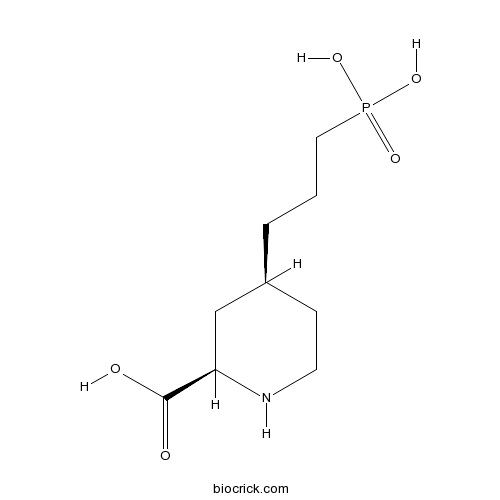
BCC7309
PPPA
113190-92-4
-
BCC6292
QNZ 46
QNZ46 is a NR2C/NR2D-selective NMDA receptor non-competitive antagonist (IC50 values are 3, 6, 229, and >300, >300 μM for NR2D, NR2C, NR2A, NR2B, and GluR1, respectively).

-
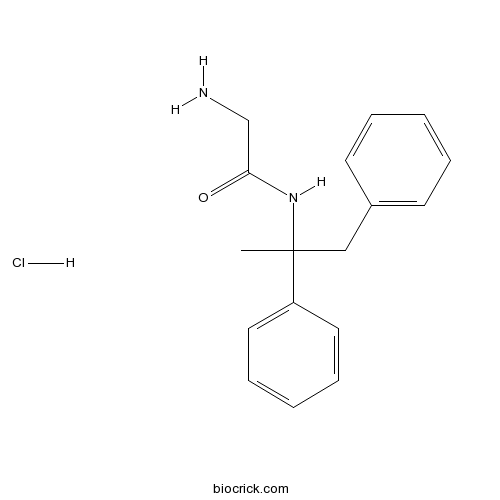
BCC7129
Remacemide hydrochloride
111686-79-4
-
BCC7234
Ro 04-5595 hydrochloride
64047-73-0

-
BCC4159
Ro 25-6981 Maleate
Ro 25-6981 Maleate is a potent and selective activity-dependent blocker of NMDA receptors containing the NR2B subunit.

-
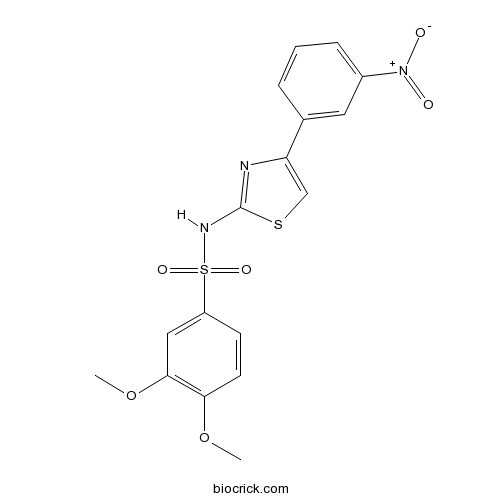
BCC7619
Ro 61-8048
Ro 61-8048 is a potent and selective inhibitors of kynurenine hydroxylase with IC50 of 37 nM.
-
BCC7655
Ro 8-4304 hydrochloride
1312991-77-7

-
BCC6992
SDZ 220-040
174575-40-7