Stem Cell Differentiation
Stem cell differentiation involves the changing of a cell to a more specialized cell type, involving a switch from proliferation to specialization. This involves a succession of alterations in cell morphometry, membrane potential, metabolic activity and signal responsiveness.
Products for Stem Cell Differentiation
- Cat.No. Product Name Information/Activity
-
BCC3606
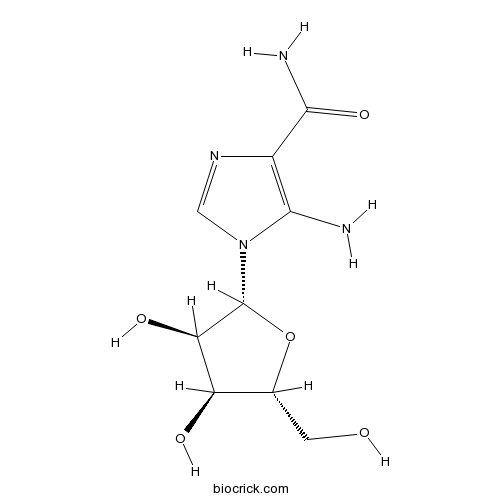
AICAR
AICAR (Acadesine) is an adenosine analog and a AMPK activator. AICAR regulates the glucose and lipid metabolism, and inhibits proinflammatory cytokines and iNOS production. AICAR is also an autophagy and mitophagy inhibitor.
-
BCC1130
5-Azacytidine
5-Azacytidine (Azacitidine; 5-AzaC; Ladakamycin) is a nucleoside analogue of cytidine that specifically inhibits DNA methylation. 5-Azacytidine is incorporated into DNA to covalently trap DNA methyltransferases and contributes to reverse epigenetic changes. 5-Azacytidine induces cell autophagy.

-
BCC7790
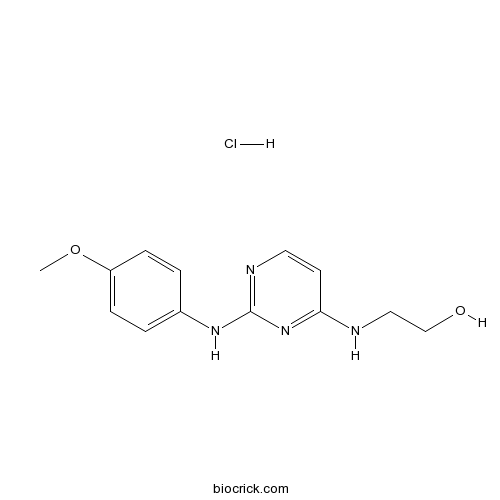
Cardiogenol C hydrochloride
Cardiogenol C hydrochloride is a potent cell-permeable pyrimidine inducer which prompts the differentiation of ESCs into cardiomyocytes (EC50=100 nM). Cardiogenol C hydrochloride also acts cardiomyogenic on already lineage-committed progenitor cell types with a limited degree of plasticity. Cardiogenol C hydrochloride is a useful cardiomyogenic agent and can be used as a tool to improve cardiac repair by cell transplantation therapy in animal models.
-
BCC6199
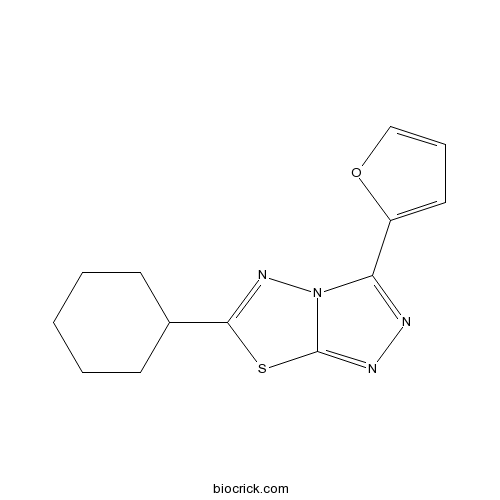
Cardionogen 1
577696-37-8
-
BCC5581
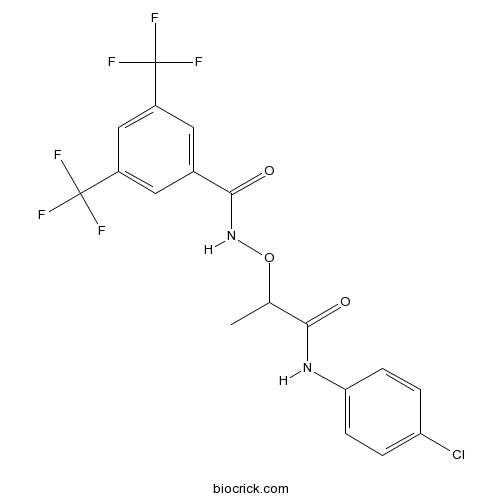
CCG-1423
CCG-1423 is a novel inhibitor of RhoA/C-mediated gene transcription that is capable of inhibiting invasion of PC-3 prostate cancer cells in a Matrigel model of metastasis.
-
BCC3896
CH 223191
CH-223191 is a potent and specific antagonist of aryl hydrocarbon receptor (AhR). CH-223191 inhibits TCDD-mediated nuclear translocation and DNA binding of AhR, and inhibits TCDD-induced luciferase activity with an IC50 of 0.03 μM.

-
BCC5614
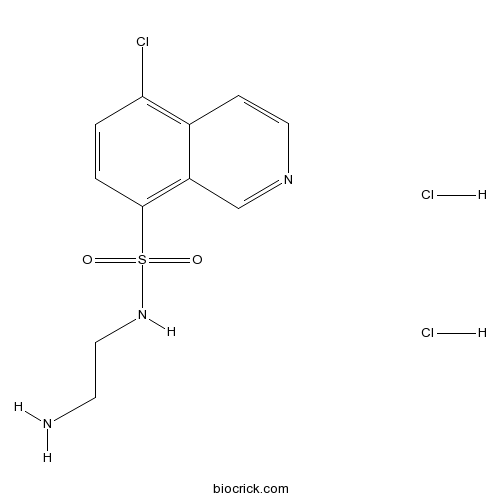
CKI 7 dihydrochloride
1177141-67-1
-
BCN2964
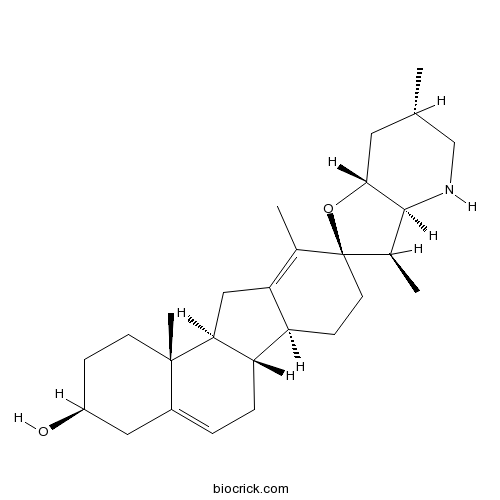
Cyclopamine
Cyclopamine is a Hedgehog (Hh) pathway antagonist with an IC50 of 46 nM in the Hh cell assay.
-
BCC3618
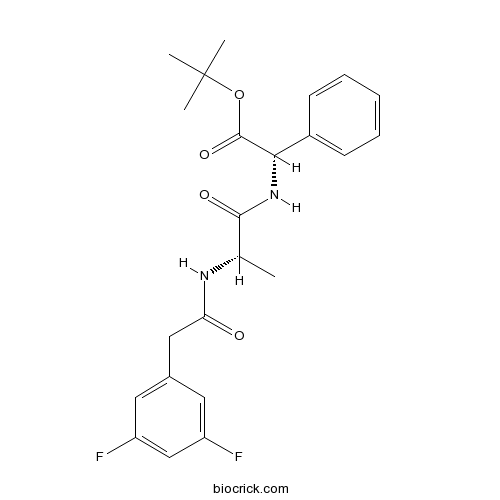
DAPT (GSI-IX)
DAPT (GSI-IX) is a potent and orally active γ-secretase inhibitor with IC50s of 115 nM and 200 nM for total amyloid-β (Aβ) and Aβ42, respectively. DAPT inhibits the activation of Notch 1 signaling and induces cell differentiation. DAPT also induces autophagy and apoptosis. DAPT has neuroprotection activity and has the potential for autoimmune and lymphoproliferative diseases, degenerative disease and cancers treatment.
-
BCC1184
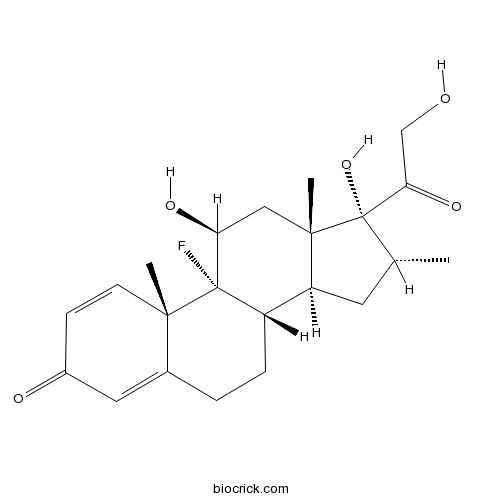
Dexamethasone (DHAP)
Dexamethasone (Hexadecadrol) is a glucocorticoid receptor agonist. Dexamethasone also significantly decreases CD11b, CD18, and CD62L expression on neutrophils, and CD11b and CD18L expression on monocytes.