Pain and Inflammation Research
Although separate conditions, pain and inflammation are nearly always associated with each other. Pain is defined by the International Association for the Study of Pain (IASP) as 'an unpleasant sensory and emotional experience associated with actual or potential tissue damage, or described in terms of such damage'. Inflammation is the tissue's immunologic response to injury, characterized by mobilization of white blood cells and antibodies, swelling, and fluid accumulation.
Pain and Inflammation Research Products Areas
Products for Pain and Inflammation Research - Page 104
- Cat.No. Product Name Information/Activity
-
BCC6124
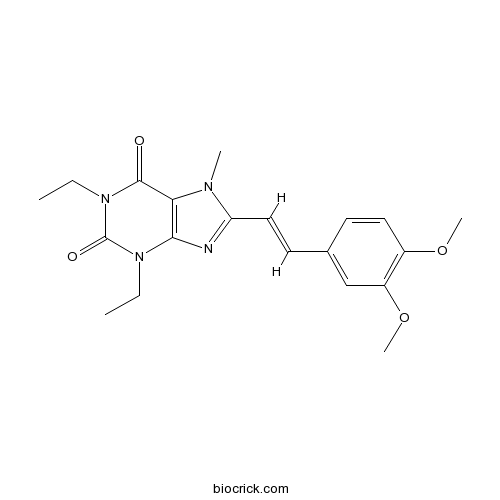
KW 3902
Rolofylline (KW-3902) is a potent, selective adenosine A1 receptor antagonist that is under development for the treatment of patients with acute congestive heart failure and renal impairment. Rolofylline is metabolized primarily to the pharmacologically active M1-trans and M1-cis metabolites by cytochrome P450 (CYP450). Rolofylline is alleviating the presynaptic dysfunction and restores neuronal activity as well as dendritic spine levels in vitro, is an interesting candidate to combat the hypometabolism and neuronal dysfunction associated with Tau-induced neurodegenerative diseases.

-
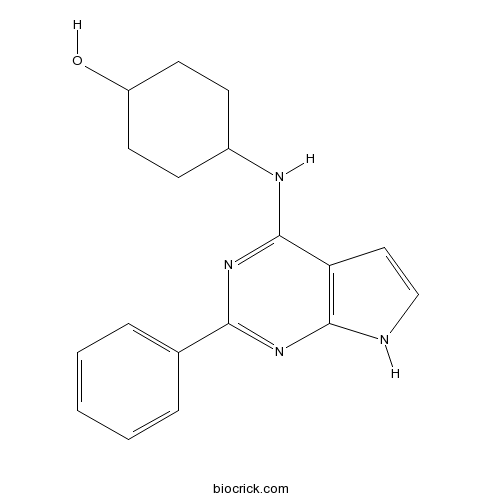
BCC7240
PSB 36
524944-72-7

-
BCC7656
SLV 320
Derenofylline (SLV 320) is a potent, selective and orally active adenosine A1 receptor antagonist, with Ki values of 1 nM, 200 nM and 398 nM for human A1, A3 and A2A receptors respectively. Derenofylline suppresses cardiac fibrosis and attenuates albuminuria without affecting blood pressure in rats.
-
BCC7032
PD 81723
132861-87-1

-
BCC4316
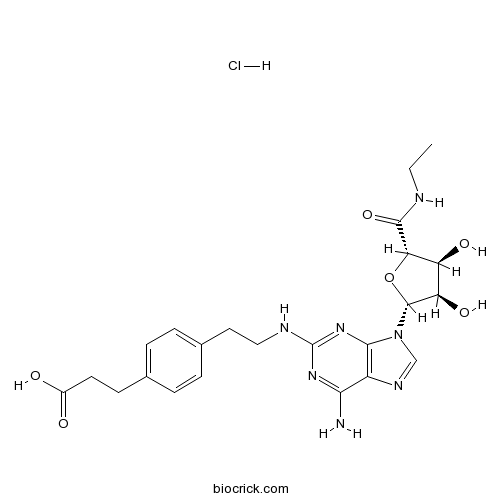
CGS 21680 HCl
CGS 21680 Hydrochloride is a selective adenosine A2A receptor agonist with a Ki of 27 nM.
-
BCC7163
CV 1808
53296-10-9

-
BCC6237
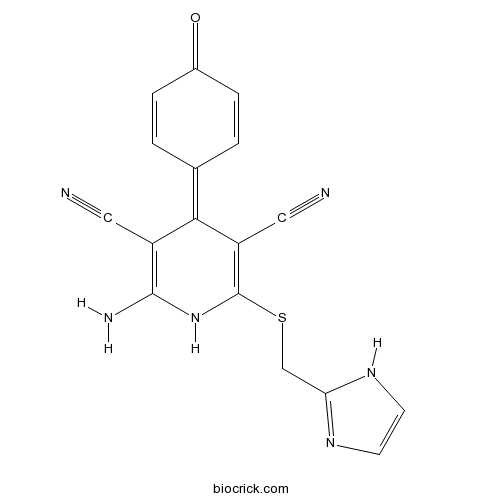
LUF 5834
333962-91-7
-
BCC7640
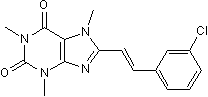
8-(3-Chlorostyryl)caffeine
147700-11-6
-
BCC7815
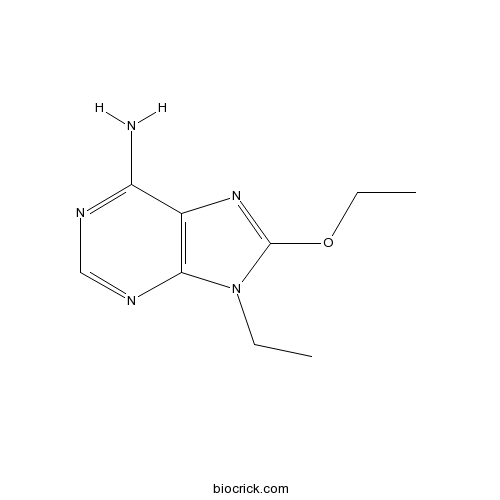
ANR 94
Adenosine A<sub>2A </sub>antagonist
-
BCC3798
Istradefylline (KW-6002)
Istradefylline is a very potent, selective and orally active adenosine A2A receptor antagonist with Ki of 2.2 nM in experimental models of Parkinson's disease.