
Natural Products from Salvia miltiorrhiza
Natural Products Isolated from Salvia miltiorrhiza
BioCrick provides high-purity natural products and bioactive compounds isolated and purified from natural sources for scientific research.
- Natural product compounds selected from diverse chemical and biological sources.
- Broad structural diversity and coverage of biological activities.
- Product activity information can be supported by published literature, patents and research reports.
- Natural products can be selected according to source, target, activity and disease research interests.
- Compounds should be stored according to the product specifications after receipt.
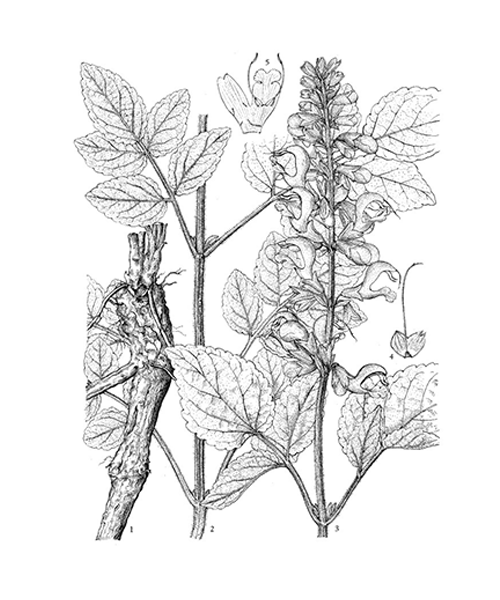
Natural Products from Salvia miltiorrhiza
22 natural product s associated with Salvia miltiorrhiza
| Catalog No. | Product Name | CAS Number | COA |
|---|---|---|---|
| BCN6214 |
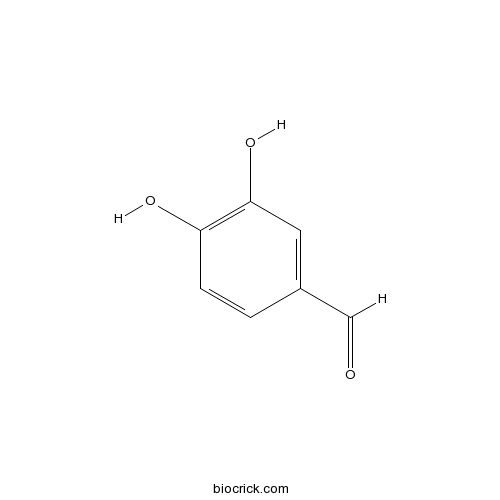
3,4-Dihydroxybenzaldehyde
|
139-85-5 | COA |
| BCN2923 |
9'''-Methyl salvianolate B

|
1167424-32-9 | COA |
| BCN2824 |
9'-Methyl lithospermate B

|
1167424-31-8 | COA |
| BCN5979 |
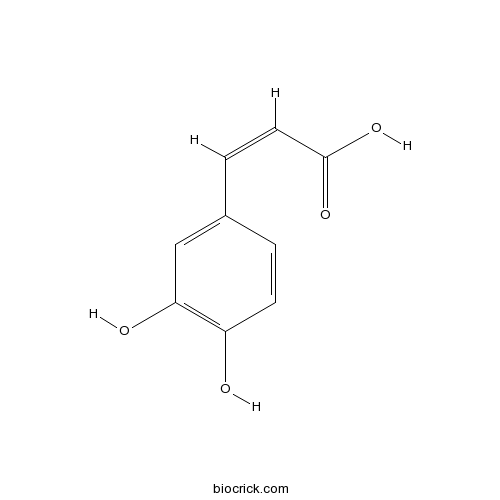
Caffeic acid
|
331-39-5 | COA |
| BCN6271 |
Colchicine

|
64-86-8 | COA |
| BCN4983 |
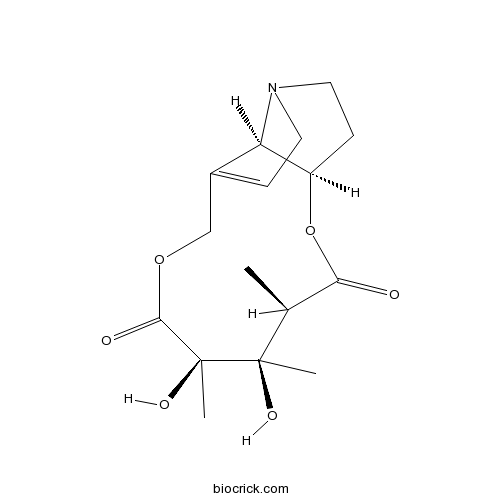
Crotaline
|
315-22-0 | COA |
| BCN5304 |
Cryptotanshinone

|
35825-57-1 | COA |
| BCN8513 |
Danshensu

|
76822-21-4 | COA |
| BCN4417 |
Dihydrotanshinone I

|
87205-99-0 | COA |
| BCN2823 |
Dimethyl lithospermate B

|
875313-64-7 | COA |
| BCN5653 |
Kaempferol
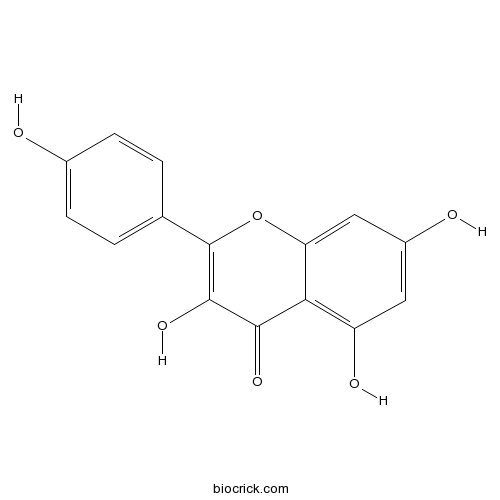
|
520-18-3 | COA |
| BCN5369 |
Lithospermic acid
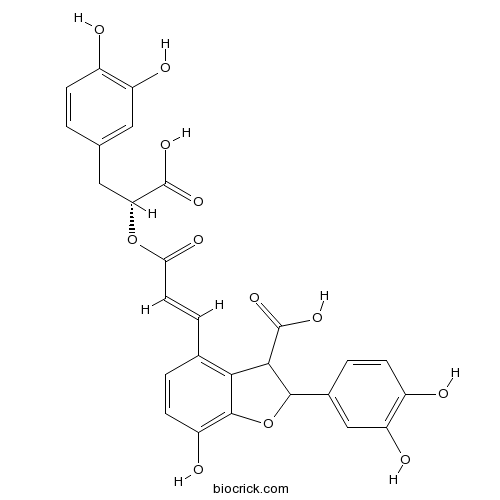
|
28831-65-4 | COA |
| BCN4169 |
Neoprzewaquinone A
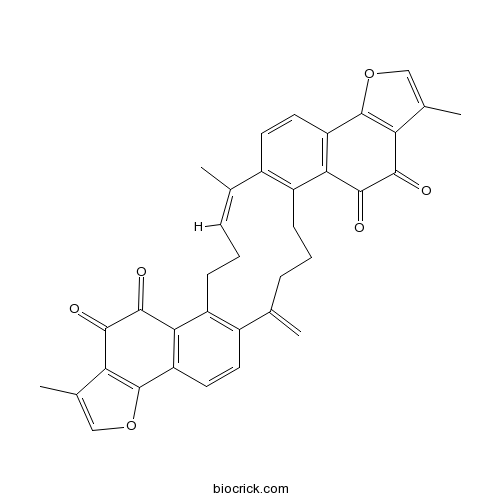
|
630057-39-5 | COA |
| BCN2925 |
Przewalskinic acid A
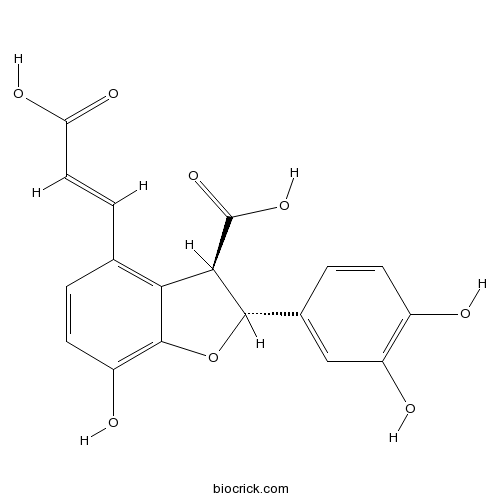
|
136112-75-9 | COA |
| BCN5893 |
Rosmarinic acid

|
20283-92-5 | COA |
| BCN5951 |
Salvianolic acid A

|
96574-01-5 | COA |
| BCC8249 |
Salvianolic acid B; Lithospermic acid B; Danfensuan B

|
121521-90-2 | COA |
| BCN2924 |
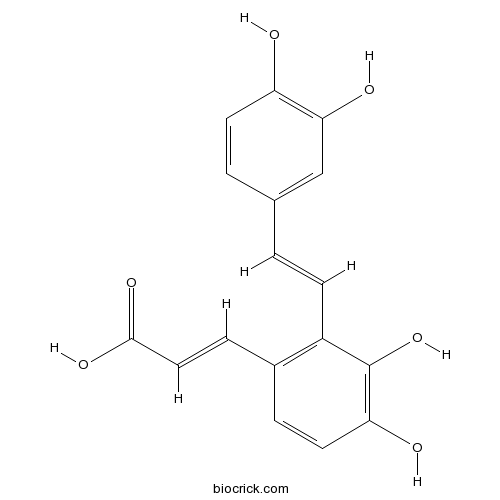
Salvianolic acid F
|
158732-59-3 | COA |
| BCN5952 |
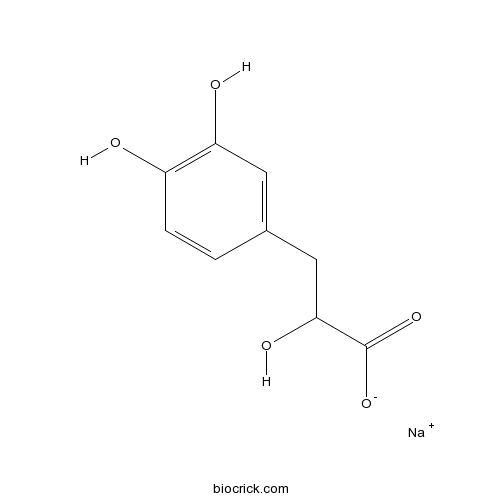
Sodium Danshensu
|
67920-52-9 | COA |
| BCN2386 |
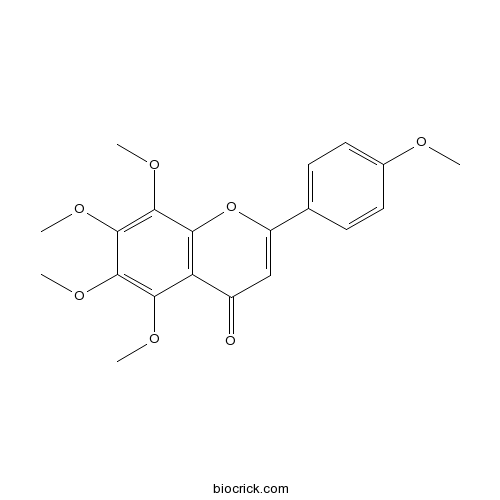
Tangeretin
|
481-53-8 | COA |
| BCN5764 |
Tanshinone I

|
568-73-0 | COA |
| BCN5763 |
Tanshinone IIA

|
568-72-9 | COA |
References
Cryptotanshinone suppresses cell proliferation and glucose metabolism via STAT3/SIRT3 signaling pathway in ovarian cancer cells.[Pubmed: 30094960]
Ovarian cancer is the most malignant gynecologic cancer among women worldwide. Cryptotanshinone (CT), isolated from Salvia miltiorrhiza Bunge, has been identified as a potential therapeutic agent in treating several malignant tumors, but the molecular mechanism of CT in ovarian cancer still remains illustrated. Here, we sought to elucidate the regulatory function of CT on cell glucose metabolism in ovarian cancer. The treatment of CT on ovarian cancer cells effectively inhibited glucose uptake and lactate production in ovarian cancer cells. The expression levels of glycolysis-related proteins, such as GLUT1, LDHA, and HK2, were decreased by the treatment of CT detected by qRT-PCR and immunoblotting. Mechanistically, CT exerted its anti-tumor effect by targeting STAT3/SIRT3/HIF-1α signaling pathway in vitro and in vivo, which could be rescued by the introduction of SIRT3 shRNA in ovarian cancer cells. The clinical data showed that the expression level of STAT3 in ovarian cancer patients' sera and tissues was positively correlated with those of GLUT1, LDHA, HK2 and HIF-1α, but negatively with that of SIRT3These findings provide evidence that CT inhibited cellular glycolysis-induced cell growth and proliferation through repression of STAT3/SIRT3/HIF-1α signaling pathway, indicating that CT may be developed as a chemotherapeutic agent to treat ovarian cancer.
[Study on Variety Test of Salvia miltiorrhiza New Variety “Zhongdan 1”].[Pubmed: 30088870]
The new varieties of Salvia miltiorrhiza were bred by the variety comparison test.