
Products for Flavonoids
-
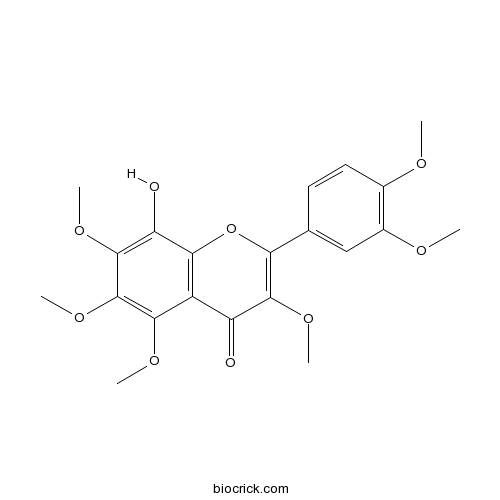
BCN7870
8-Hydroxy-3,5,6,7,3',4'-hexamethoxyflavone
8-Hydroxy-3,5,6,7,3',4'-hexamethoxyflavone is a polymethoxyflavone (PMF) isolated from pericarpium citri reticulatae.
(CAS NO.:
1000415-56-4)
-
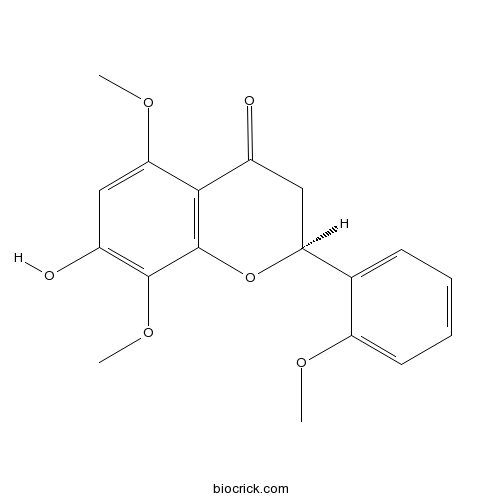
BCN5817
7-Hydroxy-2',5,8-trimethoxyflavanone
Botanical source: The herb of Scutellaria barbata
(CAS NO.:
100079-34-3)
-
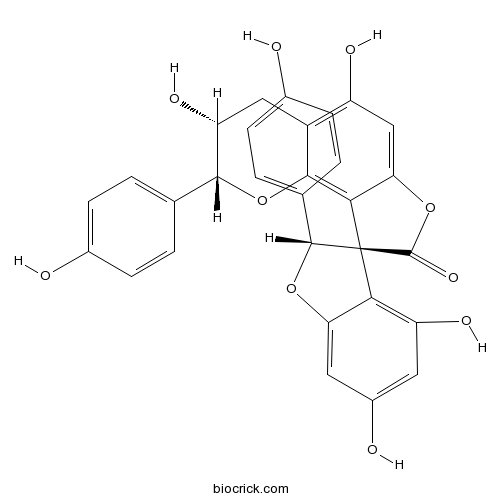
BCN6484
Larixinol
Botanical source: The heartwoods of Pinus armandii
(CAS NO.:
101046-79-1)
-
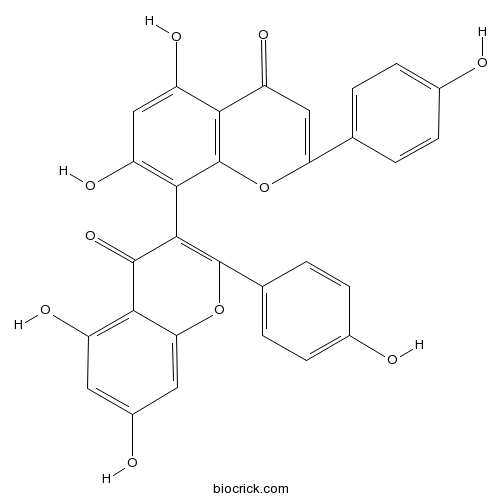
BCN5825
3,8'-Biapigenin
Botanical source: The herbs of Hypericum perforatum L.
(CAS NO.:
101140-06-1)
-
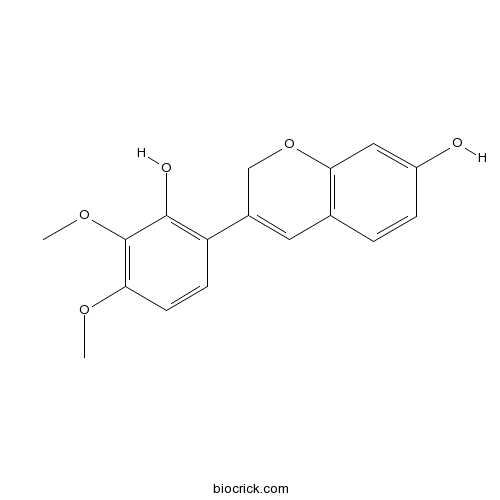
BCN8240
Odoriflavene
Botanical source: The herbs of Millettia dielsiana
(CAS NO.:
101153-41-7)
-
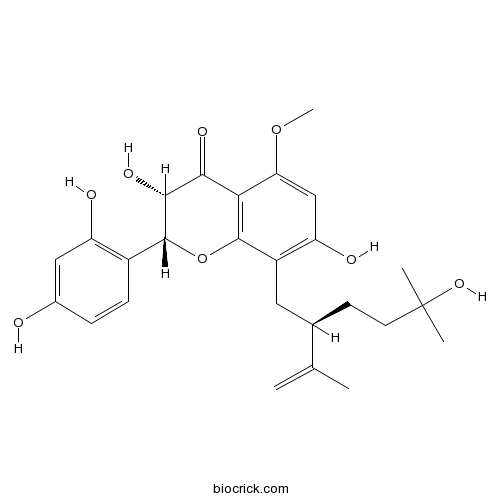
BCN3448
Kushenol K
Botanical source: The roots of Sophora flavescens Ait.
(CAS NO.:
101236-49-1)
-
BCN3309
Kushenol L
Botanical source: The roots of Sophora flavescens Ait.
(CAS NO.:
101236-50-4)

-
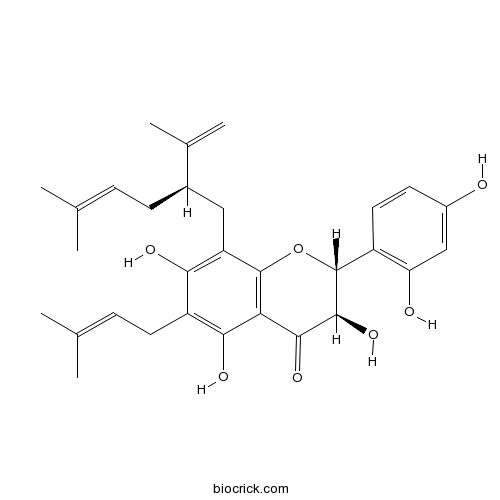
BCN3310
Kushenol M
Botanical source: The roots of Sophora flavescens Ait.
(CAS NO.:
101236-51-5)
-
BCN5827
Noreugenin
Noreugenin, 5,7-dihydroxy-2-methyl-4H-chromen-4-one, is a new chromone from Hymenocallis littoralis Salisb. (Amaryllidaceae).
(CAS NO.:
1013-69-0)

-
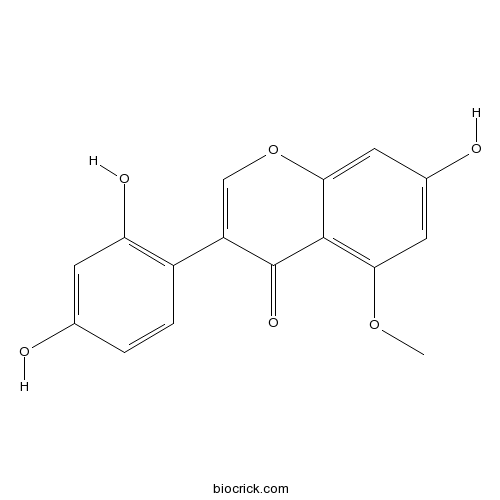
BCN4739
Barpisoflavone A
Botanical source: The herbs of Crotalaria pallida
(CAS NO.:
101691-27-4)
-
BCN5832
Jaceidin
Botanical source: The bark of Centaurea bracteata Scop.
(CAS NO.:
10173-01-0)

-
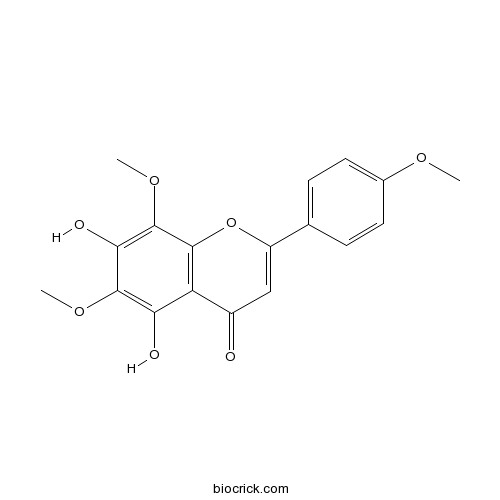
BCN6806
Nevadensin
Nevadensin is a naturally occurring selective inhibitor of human carboxylesterase 1 (hCE1) with an IC50 of 2.64 μM. Nevadensin has a variety of pharmacological effects such as anti-mycobacterium tuberculosis activities, antitussive, anti-inflammatory and anti-hypertensive.
(CAS NO.:
10176-66-6)
-
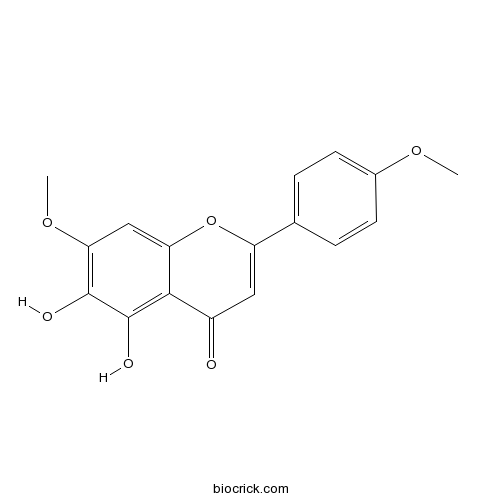
BCN6670
Ladanein
Botanical source: The herbs of Marrubium vulgare.
(CAS NO.:
10176-71-3)
-
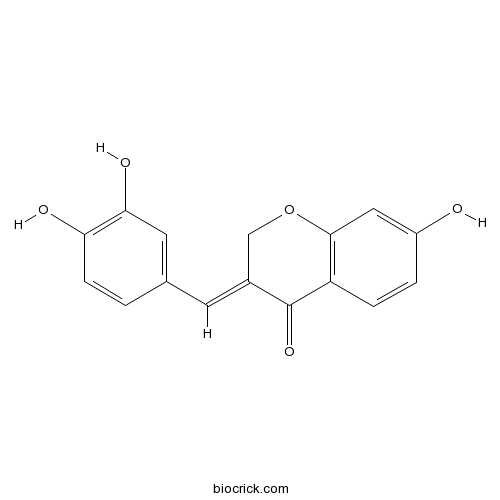
BCN2996
Sappanone A
Botanical source: The heartwoods of Caesalpinia sappan
(CAS NO.:
102067-84-5)
-
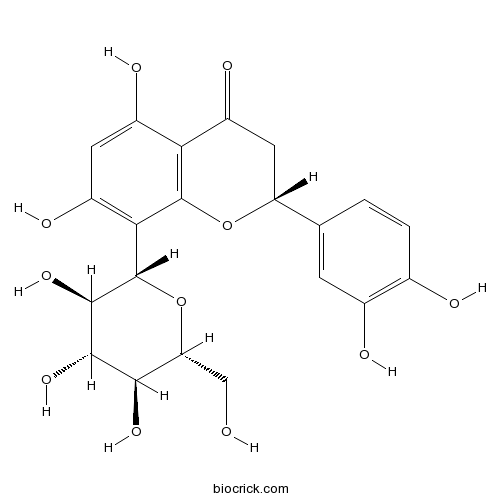
BCN8028
(R)-Eriodictyol-8-C-beta-D-glucopyranoside
Botanical source: The herbs of Aspalathus linearis
(CAS NO.:
1023271-51-3)
-
BCN6312
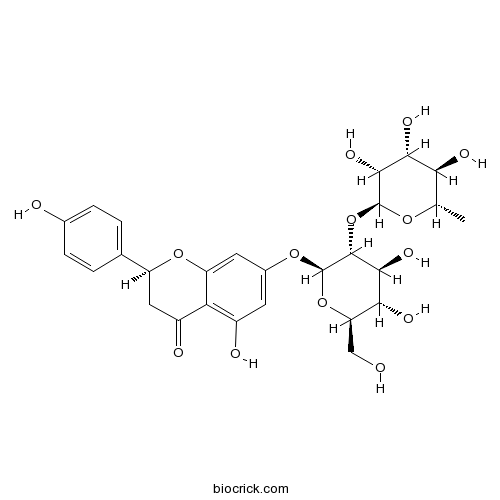
Naringin
Naringin is a major flavanone glycoside obtained from tomatoes, grapefruits, and many other citrus fruits. Naringin exhibits biological properties such as antioxidant, anti-inflammatory, and antiapoptotic activities.
(CAS NO.:
10236-47-2)
-
BCN2984
Kushenol N
Botanical source: The roots of Sophora flavescens Ait.
(CAS NO.:
102490-65-3)

-
BCN5849
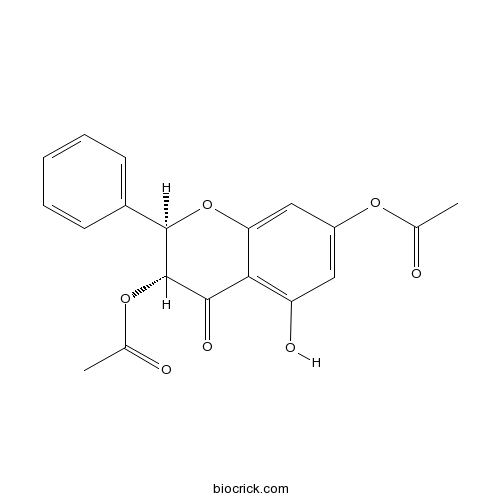
3,7-O-Diacetylpinobanksin
Botanical source: The barks of Pinus koraiensis
(CAS NO.:
103553-98-6)
-
BCN6476
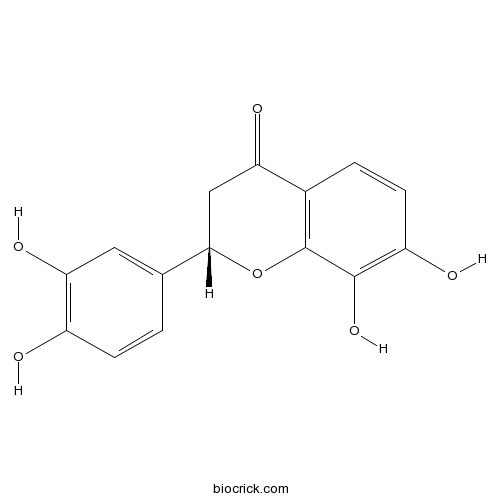
Isookanin
Botanical source: The herbs of Bidens pilosa
(CAS NO.:
1036-49-3)
-
BCN3569
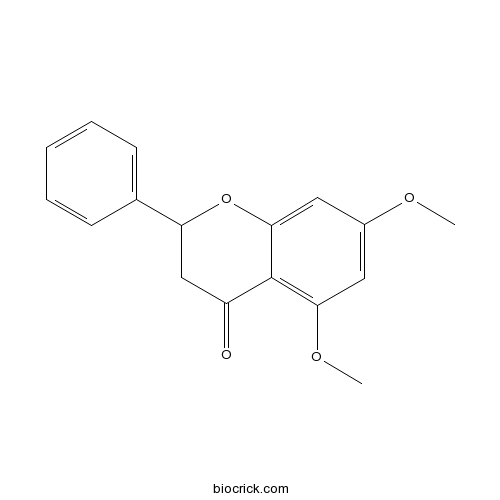
5,7-Dimethoxyflavanone
Botanical source: The stem bark of Uvaria mocoli
(CAS NO.:
1036-72-2)
-
BCN5850
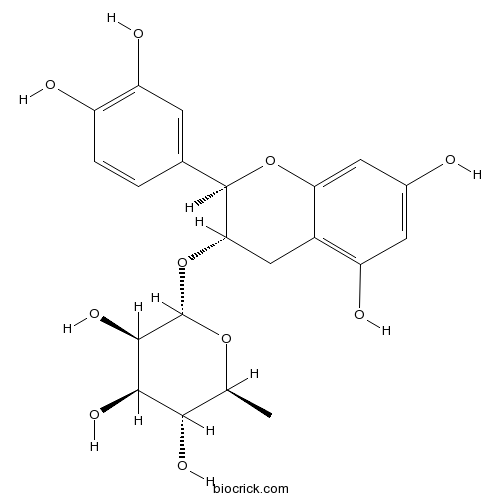
Catechin 3-rhamnoside
Botanical source: The stems of Erythroxylum novogranatense
(CAS NO.:
103630-03-1)
-
BCN2783
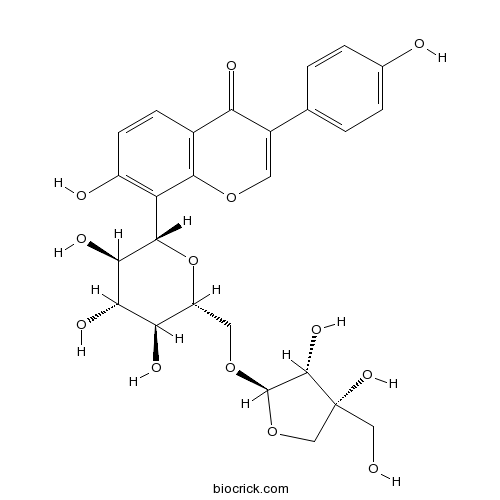
Mirificin
Mirificin (Puerarin apioside) is a isoflavone in Puerariae Lobatae Radix. Mirificin inhibits tyrosinase (TYR) with an IC50 of 12.66 μM.
(CAS NO.:
103654-50-8)
-
BCN3731
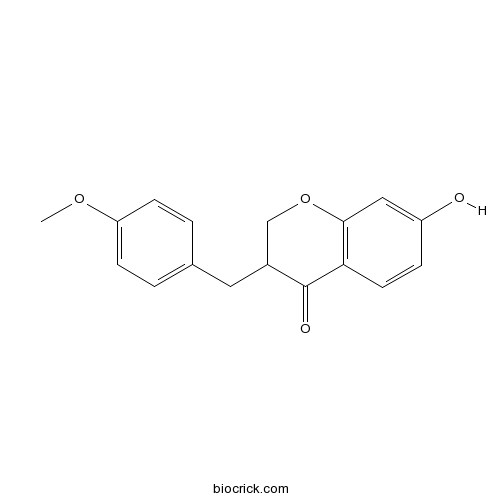
Dihydrobonducellin
Botanical source: The herbs of Caesalpinia decapetala
(CAS NO.:
103680-87-1)
-
BCN4827
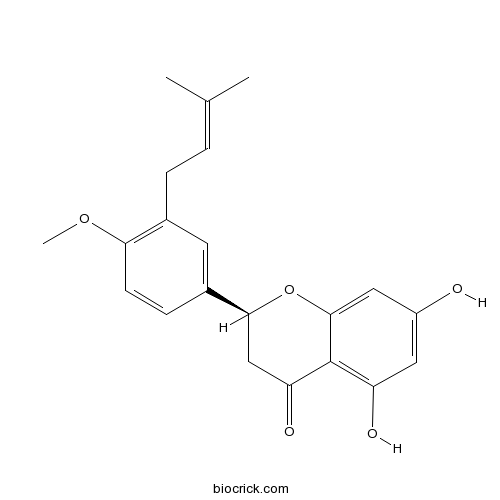
4'-O-Methyllicoflavanone
Botanical source: The herbs of Erythrina arborescens
(CAS NO.:
1038753-13-7)
-
BCN6809
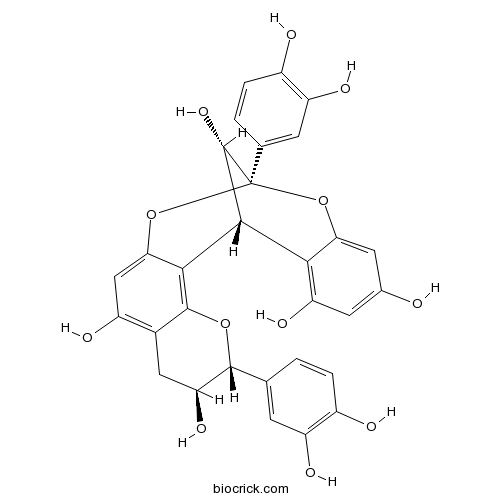
Procyanidin A1
Procyanidin A1 (Proanthocyanidin A1) is a procyanidin dimer, which inhibits degranulation downstream of protein kinase C activation or Ca2+ influx from an internal store in RBL-213 cells. Procyanidin A1 has antiallergic effects.
(CAS NO.:
103883-03-0)

BioCrick BioTech
88# Keyuan road,Hi-Tech Zone
Chengdu, Sichuan 610042, PRC
Email: info@biocrick.com
Tel:86-28-8543-3893


88# Keyuan road,Hi-Tech Zone
Chengdu, Sichuan 610042, PRC
Email: info@biocrick.com
Tel:86-28-8543-3893
Follow us:
BioCrick is one of the biggest natural products manufacturers in Asia
Our products can be used as reference standards,inhibitors in pharmacological research
Our MISSION is to provide Best-in-class High-purity natural compounds to researchers all around the world

© 2007-2026 BioCrick BioTech. All rights reserved. sitemap