
Amburoside ACAS# 110978-35-3 |
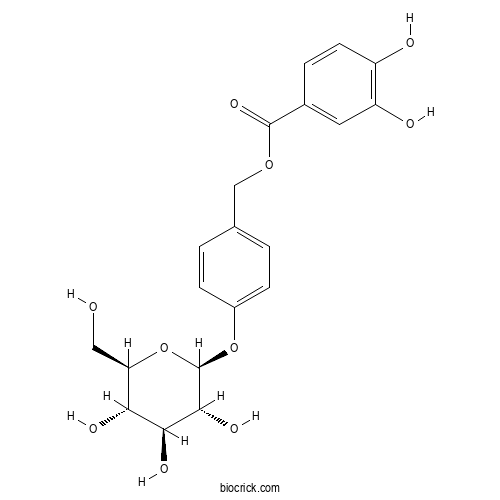
| Cas No. | 110978-35-3 | SDF | File under preparation. |
| PubChem ID | 10409977.0 | Appearance | Powder |
| Formula | C20H22O10 | M.Wt | 422.4 |
| Type of Compound | N/A | Storage | Desiccate at -20°C |
| Solubility | Soluble in Chloroform,Dichloromethane,Ethyl Acetate,DMSO,Acetone,etc. | ||
| Chemical Name | [4-[(2S,3R,4S,5S,6R)-3,4,5-trihydroxy-6-(hydroxymethyl)oxan-2-yl]oxyphenyl]methyl 3,4-dihydroxybenzoate | ||
| SMILES | C1=CC(=CC=C1COC(=O)C2=CC(=C(C=C2)O)O)OC3C(C(C(C(O3)CO)O)O)O | ||
| Standard InChIKey | LRFIKYDSTHZRKW-BFMVXSJESA-N | ||
| Standard InChI | InChI=1S/C20H22O10/c21-8-15-16(24)17(25)18(26)20(30-15)29-12-4-1-10(2-5-12)9-28-19(27)11-3-6-13(22)14(23)7-11/h1-7,15-18,20-26H,8-9H2/t15-,16-,17+,18-,20-/m1/s1 | ||
| General tips | For obtaining a higher solubility , please warm the tube at 37 ℃ and shake it in the ultrasonic bath for a while.Stock solution can be stored below -20℃ for several months. We recommend that you prepare and use the solution on the same day. However, if the test schedule requires, the stock solutions can be prepared in advance, and the stock solution must be sealed and stored below -20℃. In general, the stock solution can be kept for several months. Before use, we recommend that you leave the vial at room temperature for at least an hour before opening it. |
||
| About Packaging | 1. The packaging of the product may be reversed during transportation, cause the high purity compounds to adhere to the neck or cap of the vial.Take the vail out of its packaging and shake gently until the compounds fall to the bottom of the vial. 2. For liquid products, please centrifuge at 500xg to gather the liquid to the bottom of the vial. 3. Try to avoid loss or contamination during the experiment. |
||
| Shipping Condition | Packaging according to customer requirements(5mg, 10mg, 20mg and more). Ship via FedEx, DHL, UPS, EMS or other couriers with RT, or blue ice upon request. | ||
Quality Control & MSDS
3D structure
Package In Stock

Number of papers citing our products


Amburoside A Dilution Calculator
Amburoside A Molarity Calculator
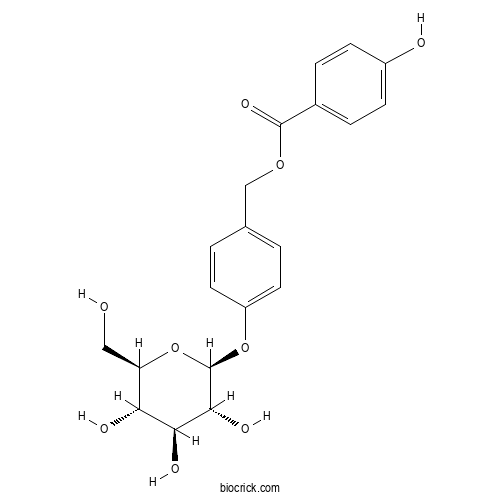
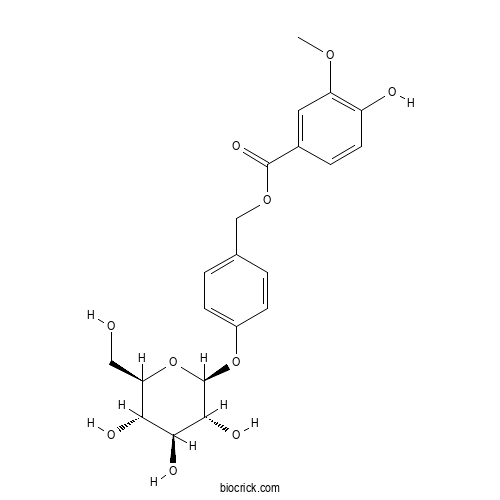


| 1 mg | 5 mg | 10 mg | 20 mg | 25 mg | |
| 1 mM | 2.3674 mL | 11.8371 mL | 23.6742 mL | 47.3485 mL | 59.1856 mL |
| 5 mM | 0.4735 mL | 2.3674 mL | 4.7348 mL | 9.4697 mL | 11.8371 mL |
| 10 mM | 0.2367 mL | 1.1837 mL | 2.3674 mL | 4.7348 mL | 5.9186 mL |
| 50 mM | 0.0473 mL | 0.2367 mL | 0.4735 mL | 0.947 mL | 1.1837 mL |
| 100 mM | 0.0237 mL | 0.1184 mL | 0.2367 mL | 0.4735 mL | 0.5919 mL |
| * Note: If you are in the process of experiment, it's necessary to make the dilution ratios of the samples. The dilution data above is only for reference. Normally, it's can get a better solubility within lower of Concentrations. | |||||
- 6''-O-β-D-Apiofuranosylastragalin
Catalog No.:BCX2381
CAS No.:946827-13-0
- 3-Methyl-3-butenyl caffeate
Catalog No.:BCX2380
CAS No.:119644-16-5
- 3-Methyl-2-butenyl caffeate
Catalog No.:BCX2379
CAS No.:118971-61-2
- cis-Oxyresveratrol 3-O-glucoside
Catalog No.:BCX2378
CAS No.:2493206-35-0
- Diplomorphanin A
Catalog No.:BCX2377
CAS No.:1559076-44-6
- Flavin adenine dinucleotide disodium salt hydrate
Catalog No.:BCX2376
CAS No.:84366-81-4
- CoA sodium salt
Catalog No.:BCX2375
CAS No.:55672-92-9
- L-Ascorbic-1-13C acid
Catalog No.:BCX2374
CAS No.:178101-88-7
- p-Coumaroyl CoA
Catalog No.:BCX2373
CAS No.:119785-99-8
- NADPH tetrasodium salt
Catalog No.:BCX2372
CAS No.:2646-71-1
- Sinapoyl CoA
Catalog No.:BCX2371
CAS No.:54429-80-0
- Cinnamoyl CoA
Catalog No.:BCX2370
CAS No.:76109-04-1
- cis-Oxyresveratrol 4'-O-glucoside
Catalog No.:BCX2383
CAS No.:863329-67-3
- Foeniculoside II
Catalog No.:BCX2384
CAS No.:168010-11-5
- Umbelliferone 7-O-β-D-xylopyranosyl-(1→6)-β-D-glucopyranoside
Catalog No.:BCX2385
CAS No.:402490-56-6
- 4'-Hydroxy-7,8-methylenedioxyhomoisoflavan
Catalog No.:BCX2386
CAS No.:148461-99-8
- Isopent-3-enyl ferulate
Catalog No.:BCX2387
CAS No.:132335-96-7
- 3'-Deoxyamburoside A
Catalog No.:BCX2388
CAS No.:362668-60-8
- (-)-Lariciresinol 4-O-glucoside
Catalog No.:BCX2389
CAS No.:364081-04-9
- Amburoside B
Catalog No.:BCX2390
CAS No.:221011-65-0
- Steppogenin 5'-C-glucoside
Catalog No.:BCX2391
CAS No.:2082826-38-6
- Heptazoline
Catalog No.:BCX2392
CAS No.:32042-35-6
- 1-O-Methylclausenolide
Catalog No.:BCX2393
CAS No.:148763-15-9
- Nordentatin
Catalog No.:BCX2394
CAS No.:1083193-15-0
Amburana cearensis (Cumaru) and Its Active Principles as Source of Anti-Leishmania Drugs: Immunomodulatory Activity of Coumarin (1,2-Benzopyrone).[Pubmed:40299671]
Biomedicines. 2025 Apr 17;13(4):979.
Background/Objectives: In Brazil, Leishmania braziliensis is the main etiological agent of cutaneous leishmaniasis and represents an important public health problem. The actual pharmacotherapy of leishmaniasis has several disadvantages, making the development of new therapeutic options essential. The present study aimed to carry out the bioprospecting and selection of products of Amburana cearensis, including extracts and active principles with a leishmanicidal effect and to evaluate its possible mechanism of action. Methods: A dry extract of A. cearensis (DEAC) was characterized by HPLC, with the following active markers: coumarin (CM), Amburoside A (AMR), and vanillic acid (VA). The leishmanicidal effect of DEAC was assessed, and the in vitro inhibitory action of the phenolic fraction, including CM, AMR, and VA, on promastigote and amastigote forms were determined. Results: CM showed the best reductions (maximal inhibition: 57%) of the promastigote form of L. braziliensis, followed by the plant extract (40% inhibition) and other test drugs (maximal reduction: 29%). The treatment of macrophages infected by L. brasiliensis with CM (10 mug/mL) reduced the intracellular parasite load (amastigote form, maximal reduction: 50%), increased the production of nitric oxide, TNF-alpha, IL-12, and IL-10, and decreased the production of IL-4. These effects were not related to cytotoxicity (MTT test). Glucantime (4 mg/mL, standard drug) reduced the amastigote form by 65%. Conclusions: CM showed promising leishmanicidal activity against both forms of L. brasiliensis, and this effect seems to be associated, at least in part, to its immunomodulatory action by tilting the Th1/Th2 imbalance in favor of Th1.
An Integrative Computational Approach for the Identification of C-Abl Kinase Inhibitors from Anti-Parkinson Plant-Derived Bioactive.[Pubmed:39812069]
Med Chem. 2025;21(9):969-986.
BACKGROUND: Oxidative stress is strongly linked to neurodegeneration through the activation of c-Abl kinase, which arrests alpha-synuclein proteolysis by interacting with parkin interacting substrate (PARIS) and aminoacyl tRNA synthetase complex-interacting multifunctional protein 2 (AIMP2). This activation, triggered by ataxia-telangiectasia mutated (ATM) kinase, leads to dopaminergic neuron loss and alpha -synuclein aggregation, a critical pathophysiological aspect of Parkinson's disease (PD). To halt PD progression, pharmacological inhibition of c-Abl kinase is essential. Despite three generations of tyrosine kinase inhibitors (TKIs) being explored for PD treatment, they present significant concerns including poor blood-brain barrier penetration, off-target effects, and severe side effects. Notably, there are currently no FDA-approved c-Abl kinase inhibitors in clinical usage for PD treatment, highlighting the urgent need for potent, safe, and cost-effective alternatives. OBJECTIVE: This study aims to identify potential c-Abl kinase inhibitors from plant-derived compounds with reported anti-Parkinson's potential and their derivatives using molecular docking, molecular dynamics simulations (MDS), and in silico pharmacokinetics and toxicity profiling. METHODS: Seventy-eight compounds sourced from literature were docked against c-Abl kinase using Maestro 12.5. The top three hit compounds, along with nilotinib (control drug), were subjected to drug-likeness, ADMET profiling using the AI Drug Lab server and 100 ns MDS using Desmond. RESULTS: Amburoside A, diarylheptanoid MS13, and dimethylaminomethyl-substituted-curcumin showed binding affinities close to nilotinib, with values of -12.615, -12.556, and -11.895 kcal/mol respectively, compared to nilotinib's -16.826 kcal/mol. The three plant-derived compounds exhibited excellent structural stability and favorable ADMET profiles, including optimal blood-brain barrier permeation. CONCLUSION: The three hit compounds identified in this study show potential as c-Abl kinase inhibitors. Given the absence of FDA-approved c-Abl kinase inhibitors for PD, these findings are significant as they could contribute new therapeutic options for the treatment and management of PD. However, further in vitro and in vivo experiments are necessary to validate these findings.
Antineuroinflammatory Effect of Amburana cearensis and Its Molecules Coumarin and Amburoside A by Inhibiting the MAPK Signaling Pathway in LPS-Activated BV-2 Microglial Cells.[Pubmed:35528510]
Oxid Med Cell Longev. 2022 Apr 28;2022:6304087.
Microglia plays an important role in the neuroinflammatory response, identified as one of the major factors in the development and progression of neurodegenerative diseases. Amburana cearensis and its bioactive compounds, including coumarin (CM), vanillic acid (VA), and Amburoside A (AMB), exert antioxidant, anti-inflammatory, and neuroprotective activities, on 6-OHDA-induced neurotoxicity in rat mesencephalic cells determined by our group. The present study investigated the anti-inflammatory effect of the dry extract from A. cearensis (DEAC), CM, AMB, and VA on lipopolysaccharide- (LPS-) stimulated microglial cells and elucidated the possible molecular mechanism of action. The DEAC was characterized by HPLC-PDA (chemical markers: CM, AMB, and VA). The BV-2 microglial cell line was pretreated with increasing concentrations of DEAC, CM, AMB, or VA in the presence or absence of LPS to evaluate the toxicity and anti-inflammatory activity. The cytotoxicity of DEAC, CM, AMB, or VA on BV-2 cells was evaluated by the MTT test, the free radical scavenging activity of test drugs was investigated, and the nitric oxide (NO) production was determined using the Griess reagent, while cytokine levels were measured by ELISA. The expressions of toll-like receptor 4 (TLR-4), nuclear factor kappa B (NF-kappaB), MAPK members (JNK and ERK1/2), and iNOS were determined through Western blot analysis. DEAC, CM, AMB, or VA (5-100 mug/mL) did not induce any detectable cytotoxicity in BV-2 cells. All test drugs (100 mug/mL) showed free radical scavenging activity (hydroxyl and superoxide radicals); however, only DEAC, CM, and AMB (5-100 mug/mL) significantly reduced NO production. DEAC (100 mug/mL), as well as CM (50 and 100 mug/mL) and AMB (25 mug/mL), reduced at least 50% of NO produced and markedly decrease the production of TNF-alpha and IL-6 but they did not significantly affect IL-10 levels. Only DEAC (100 mug/mL) and AMB (25 mug/mL) reduced the expression of iNOS, and they did not affect arginase activity. DEAC (100 mug/mL) suppressed the activation of the MAPKs JNK and ERK1/2 in LPS-activated BV-2 cells but it did not suppress the expression of TLR-4 nor the phosphorylation of NF-kappaB. In conclusion, DEAC, CM, and AMB exerted anti-inflammatory activity in LPS-activated microglial cells as observed by the reduction in the production of inflammatory mediators and the expression of iNOS. We identified the MAPK signaling pathway as a probable mechanism of action to the anti-inflammatory effects observed.
Hypoglycemic activity of Origanum vulgare L. and its main chemical constituents identified with HPLC-ESI-QTOF-MS.[Pubmed:33629672]
Food Funct. 2021 Mar 21;12(6):2580-2590.
Origanum vulgare L. (O. vulgare) is an important medicine food homology in diabetes. The present study aimed to assess the hypoglycemic effect of the leaf extract of O. vulgare in HepG2 and HepG2-GFP-CYP2E1 (E47) cells, and disclose its potential active components by the HPLC-ESI-QTOF-MS method. Firstly, we evaluated the anti-diabetic capacity of the leaf extract of O. vulgare through inhibition of alpha-glucosidase activity, promotion of glucose uptake, inhibition of glycosylation and relieving of oxidative stress. Secondly, the promoter activity, the mRNA and protein expression of PEPCK and SREBP-1c, and the expression of CPY2E1 and GLUT2 in the O. vulgare mediated anti-diabetic capacity were analyzed in HepG2 and E47 cells. Finally, HPLC-ESI-QTOF-MS analysis was performed to identify the herb's main components under 280 nm irradiation. In vitro assays demonstrated that the extract inhibited alpha-glucosidase activity, promoted glucose uptake, inhibited glycosylation and relieved oxidative stress, which suggested that O. vulgare leaf extract has a strong hypoglycemic capacity. Moreover, mechanistic analysis also showed that the extract decreased the promoter activity and the mRNA and protein expression of PEPCK and SREBP-1c. In addition, the extract inhibited the expression of CPY2E1 and enhanced the expression of GLUT2. Moreover, the UV chromatogram at 280 nm showed six main peaks, identified as Amburoside A (or 4-(3',4'-dihydroxybenzoyloxymethyl) phenyl O-beta-d-glucopyranoside), luteolin 7-O-glucuronide, apigenin 7-O-glucuronide, rosmarinic acid, lithospermic acid and a novel compound, demethylbenzolignanoid, based on accurate MS data. This work supported the ethnopharmacological usage of O. vulgare as an antidiabetic herbal medicine or dietary supplement and identified its main phenolic compounds.
A comparative chemical and pharmacological study of standardized extracts and vanillic acid from wild and cultivated Amburana cearensis A.C. Smith.[Pubmed:20638258]
Phytomedicine. 2011 Jan 15;18(2-3):230-3.
The objectives of this work were to carry out a comparative chemical study and to evaluate the antinociceptive and anti-inflammatory activities of ethanol extracts (EtOHE) and vanilic acid (VA) from cultivated and wild Amburana cearensis A.C. Smith (Fabaceae), an endangered species used in Northeast Brazil for the treatment of asthma. The HPLC analysis of EtOHE, showed that coumarin (CM) and VA were the major constituents from the cultivated plant, while in the extract from the wild plant the major constituents were Amburoside A (AMB) and CM. Pharmacological tests were performed with male Swiss mice or male Wistar rats acutely administered with 100-400mg/kg, p.o. of EtOHEs or 12.5-50mg/kg, p.o. of VA. EtOHEs from A. cearensis with 4, 7 or 9 months of cultivation significantly inhibited, from 32 to 64%, both phases of the formalin test in mice. Similar results were observed with the EtOHE from the wild species. VA significantly reduced both phases of the formalin test. This effect was partially reversed by naloxone. EtOHE from cultivated or wild A. cearensis inhibited the carrageenan (Cg)-induced mice paw edema. Furthermore, VA inhibited the paw edema and the leukocyte migration in rat peritoneal cavity induced by Cg. On the other hand, it did not inhibit the edema and the increase of vascular permeability induced by dextran in the rat paw. All together, these results indicate that the EtOHE from cultivated A. cearensis exhibit similar chemical and pharmacological profiles, as related to the wild plant. VA is, at least partially, responsible for these pharmacological effects. Its antinociceptive effect occurs by a mechanism partly dependent upon the opioid system, while the anti-inflammatory action was manifested in inflammatory processes dependent on polymorphonuclear cells and are probably related to the VA inhibition of cytokines as observed by others.
Effects of amburoside A and isokaempferide, polyphenols from Amburana cearensis, on rodent inflammatory processes and myeloperoxidase activity in human neutrophils.[Pubmed:19053991]
Basic Clin Pharmacol Toxicol. 2009 Mar;104(3):198-205.
The present study evaluated the anti-inflammatory activity of Amburoside A (a phenol glucoside) and isokaempferide (a flavonol) isolated from the trunk bark of Amburana cearensis, a medicinal plant used in northeast Brazil for the treatment of asthma. Animals (male Wistar rats or Swiss mice) pre-treated with Amburoside A (25 and 50 mg/kg) or isokaempferide (12.5, 25 and 50 mg/kg), orally or intraperitoneally, showed a significant inhibition of the paw oedema induced by carrageenan (1%), prostaglandin E(2) (30 nmol/paw), histamine (200 microg/paw) or serotonin (200 microg/paw). Histological and morphometric evaluations of the rat paw oedema induced by carrageenan showed that Amburoside A and isokaempferide also inhibited the accumulation of inflammatory cells. Amburoside A reduced significantly the paw oedema and the increase in vascular permeability induced by dextran, as related to the control group. Similar results were observed with the isokaempferide pre-treatment. Furthermore, Amburoside A or isokaempferide inhibited both leucocyte and neutrophil migrations, in mouse peritoneal cavity, after the carrageenan injection. The polyphenols were not cytotoxic and blocked N-formyl-methyl-leucyl-phenylalanine-induced myeloperoxidase release and activity in human neutrophils. In addition, Amburoside A and isokaempferide at 50 and 100 microg/ml concentrations reduced significantly the lipopolysaccharide-mediated increase in tumour necrosis factor-alpha (TNF-alpha) levels. These results provide, for the first time, evidence to support the anti-inflammatory activity of Amburoside A and isokaempferide that seems to be related to an inhibition of inflammatory mediators, such as TNF-alpha, as well as histamine, serotonin and prostaglandin E(2), besides leucocyte infiltration in a dose- or concentration-dependent manner. These anti-inflammatory effects can be explained, at least in part, by the ability of these compounds to reduce neutrophil degranulation, myeloperoxidase activity, mediators as well as TNF-alpha secretion.
Protective effects of amburoside A, a phenol glucoside from Amburana cearensis, against CCl4-induced hepatotoxicity in rats.[Pubmed:18404596]
Planta Med. 2008 Apr;74(5):497-502.
The aim of this study was to investigate the possible beneficial effects of Amburoside A, AMB [4-(O-beta- D-glycopyranosyl)benzyl protocatechoate], against carbon tetrachloride (CCl (4)) toxicity in rats. AMB is a phenol glucoside from the Brazilian medicinal plant Amburana cearensis, popularly used for the treatment of respiratory tract affections. Acute AMB (25 and 50 mg/kg, I. P. or P. O.) treatments of CCl (4)-intoxicated rats significantly inhibited the increase in serum aspartate aminotransferase (AST) and alanine aminotransferase (ALT) levels, as compared to the group treated with CCl (4) only. Histological studies showed less centrolobular necrosis and inflammatory cell infiltrates in the liver of animals treated with AMB plus CCl (4), when compared to the group treated with CCl (4) alone. In hepatic tissues, AMB at both doses inhibited CCl (4)-induced thiobarbituric acid-reactive substances (TBARS) formation, indicating a blockade of CCl (4)-induced lipid peroxidation. AMB also reversed the decrement in glutathione contents of hepatic tissues in CCl (4)-intoxicated rats. Furthermore, it restored catalase activity to normal values, which was significantly increased after CCl (4) treatment. Our results indicate that CCl (4)-induced oxidative damage in hepatic tissues is reversed by AMB treatment. The protective effect of AMB is probably due to the phenolic nature of this glucoside.
Amburoside A, a glucoside from Amburanacearensis, protects mesencephalic cells against 6-hydroxydopamine-induced neurotoxicity.[Pubmed:16039060]
Neurosci Lett. 2005 Nov 11;388(2):86-90.
This study evaluates the potential neuroprotective properties of Amburoside A, a glucoside isolated from Amburana cearensis, on rat mesencephalic cell cultures exposure to the neurotoxin 6-hydroxydopamine (6-OHDA). The parameters determined were cell viability by the 3[4,5-dimethylthiazole-2-il]-2,5-diphenyltetrazolium bromide (MTT) method, nitric oxide (NO) and free radical formation by the measurement of nitrite concentration and thiobarbituric acid reacting substance (TBARS) formation as an indication of cellular lipid peroxidation. The results showed that AMB was less effective as a curative agent in the MTT assay, since its addition after 6-OHDA did not reverse the neurotoxin's effect, except at the highest concentration (AMB, 100 microg/ml). Similarly, the higher nitrite levels observed after exposure of the cells to 6-OHDA were only partially reversed by AMB, at this highest concentration. However, when AMB (0.5, 1, 10 and 100 microg/ml) was added before the toxin, it appeared to protect neuronal cells against 6-OHDA toxicity in a concentration-dependent manner, as shown by MTT assay. AMB also prevented free radical formation indicated by the increased nitrite concentration induced by 6-OHDA. Cells exposed to 6-OHDA showed a 3.4 times increase in TBARS concentration as compared to controls, and this effect was inhibited from 24% up to 64% by AMB (0.1-100 microg/ml), indicative of a neuroprotective effect. In conclusion, we show that AMB, acting as an antioxidant compound, presents a significant neuroprotective effect, suggesting that this compound could provide benefits as a therapeutic agent in neurodegenerative disease such as Parkinson's.
Antiproliferative effects of several compounds isolated from Amburana cearensis A. C. Smith.[Pubmed:14577630]
Z Naturforsch C J Biosci. 2003 Sep-Oct;58(9-10):675-80.
Amburana cearensis a common tree found in Northeastern Brazil is widely used in folk medicine. The present work evaluated the cytotoxicity of kaempferol, isokaempferide, Amburoside A and protocatechuic acid isolated from the ethanol extract of the trunk bark of A. cearensis. The compounds were tested for their cytotoxicity on the sea urchin egg development, hemolysis assay and 3-(4,5-dimethyl-2-thiazolyl)-2,5-diphenyl-2H-tetrazolium bromide assay using tumor cell lines. Isokaempferide and kaempferol, but not Amburoside A and protocatechuic acid, inhibited the sea urchin egg development as well as tumor cell lines, but in this assay isokaempferide was more potent than kaempferol. Protocatechuic acid was the only compound able to induce hemolysis of mouse erythrocytes, suggesting that the cytotoxicity of kaempferol and isokaempeferide was not related to membrane damage.

Calcutta University

University of Minnesota

University of Maryland School of Medicine

University of Illinois at Chicago

The Ohio State University

University of Zurich

Harvard University

Colorado State University

Auburn University

Yale University

Worcester Polytechnic Institute

Washington State University

Stanford University

University of Leipzig

Universidade da Beira Interior

The Institute of Cancer Research

Heidelberg University

University of Amsterdam

University of Auckland

TsingHua University

The University of Michigan

Miami University

DRURY University

Jilin University

Fudan University

Wuhan University

Sun Yat-sen University

Universite de Paris

Deemed University

Auckland University

The University of Tokyo

Korea University



