Cancer Research
Cancer is a term used to define a group of diseases in which abnormal cells divide without control, are able to invade neighboring tissues/organs and metastasize. Cancer has been characterized by six hallmarks; self sufficiency in proliferative growth signals, insensitivity to growth inhibitors, evasion of apoptosis, limitless replicative potential, ability to develop blood vessels (angiogenesis), and tissue invasion and metastasis.
Cancer Research Products Areas
Products for Cancer Research - Page 6
- Cat.No. Product Name Information/Activity
-
BCC3932
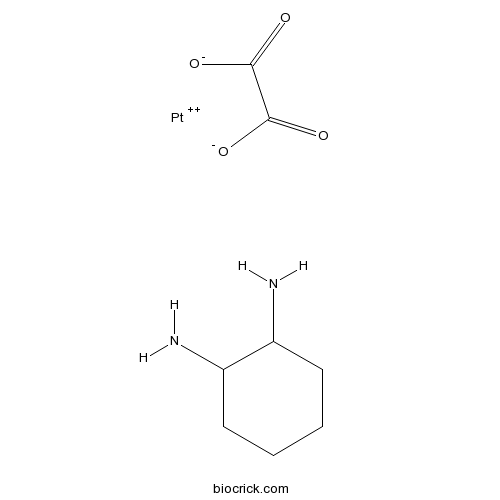
Oxaliplatin
Oxaliplatin is a DNA synthesis inhibitor. Oxaliplatin causes DNA crosslinking damage, prevents DNA replication and transcription and causes cell death. Oxaliplatin time-dependently inhibits human melanoma cell lines C32 and G361 with IC50 values of 0.98 μM and 0.14 μM, respectively. Oxaliplatin induces cell autophagy.
-
BCC2148
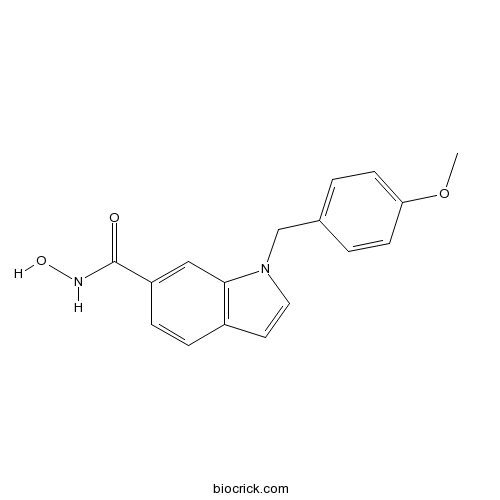
PCI-34051
PCI-34051 is a potent and selective HDAC8 inhibitor with IC50 of 10 nM, with >200-fold selectivity over the other HDAC isoforms.
-
BCN4037
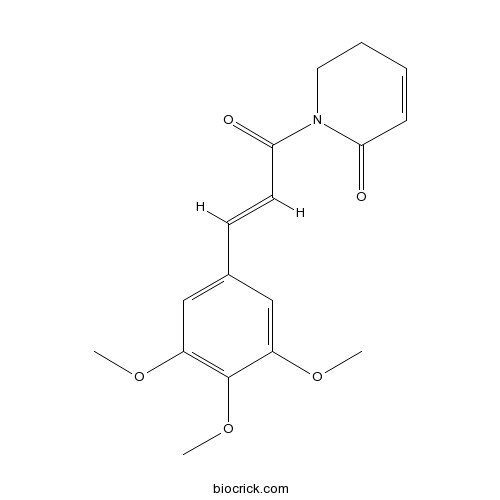
Piplartine
Piperlongumine is a natural alkaloid isolated from Piper longum Linn, possesses ant-inflammatory, antibacterial, antiangiogenic, antioxidant, antitumor, and antidiabetic activities. Piperlongumine induces ROS, and induces apoptosis in cancer cell lines. Piperlongumine shows anti-cardiac fibrosis activity, suppresses myofibroblast transformation via suppression of the ERK1/2 signaling pathway.
-
BCN2586
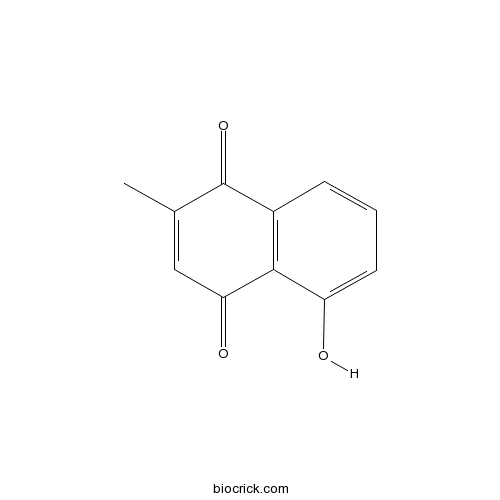
Plumbagin
Plumbagin (2-Methyljuglone) is a naphthoquinone isolated from Plumbago zeylanica L, exhibits anticancer and antiproliferative activities.
-
BCC3848
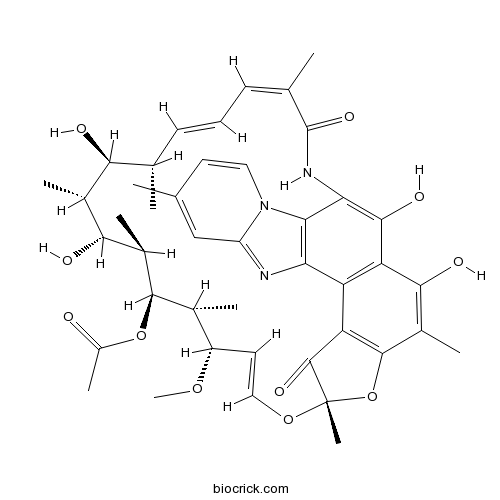
Rifaximin (Xifaxan)
Rifaximin(Xifaxan) is an orally administered, semi-synthetic, nonsystemic antibiotic derived from rifamycin SV with antibacterial activity.
-
BCN3834
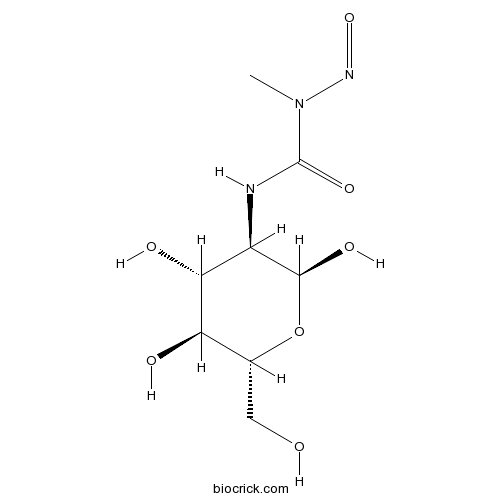
Streptozotocin
Streptozocin is a potent DNA-methylating antibiotic. Streptozotocin causes methylation of liver and kidney and pancreatic DNA, but no methylation in brain DNA.
-
BCC4386
Temozolomide
Temozolomide (NSC 362856) is an oral active DNA alkylating agent that crosses the blood-brain barrier. Temozolomide is also a proautophagic and proapoptotic agent. Temozolomide is effective against tumor cells that are characterized by low levels of O6-alkylguanine DNA alkyltransferase (OGAT) and a functional mismatch repair system. Temozolomide has antitumor and antiangiogenic effects.

-
BCC2005
Toceranib
Toceranib phosphate (SU11654 phosphate) is an orally active receptor tyrosine kinase (RTK) inhibitor, and it potently inhibits PDGFR, VEGFR, and Kit with Kis of 5 and 6 nM for PDGFRβ and Flk-1/KDR, respectively. Toceranib phosphate (SU11654 phosphate) has antitumor and antiangiogenic activity, and used in the treatment of canine mast cell tumors.

-
BCC2257
TW-37
TW-37 is a potent Bcl-2 inhibitor with Ki values of 260, 290 and 1110 nM for Mcl-1, Bcl-2 and Bcl-xL, respectively.

-
BCC2391
ARRY 520 trifluoroacetate
Potent and selective kinesin spindle protein (KSP) inhibitor; induces Mcl-1 degradation,ARRY-520 is a synthetic kinesin spindle protein (<b>KSP</b>) inhibitor with <b>IC<sub>50</sub></b> of 6 nM.