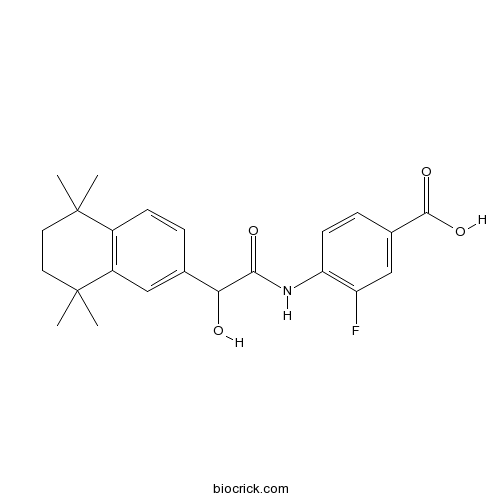
Cancer Research
Cancer is a term used to define a group of diseases in which abnormal cells divide without control, are able to invade neighboring tissues/organs and metastasize. Cancer has been characterized by six hallmarks; self sufficiency in proliferative growth signals, insensitivity to growth inhibitors, evasion of apoptosis, limitless replicative potential, ability to develop blood vessels (angiogenesis), and tissue invasion and metastasis.
Cancer Research Products Areas
Products for Cancer Research - Page 78
- Cat.No. Product Name Information/Activity
-
BCC7209
m-3M3FBS
200933-14-8

-
BCC7210
o-3M3FBS
313981-55-4

-
BCC3589
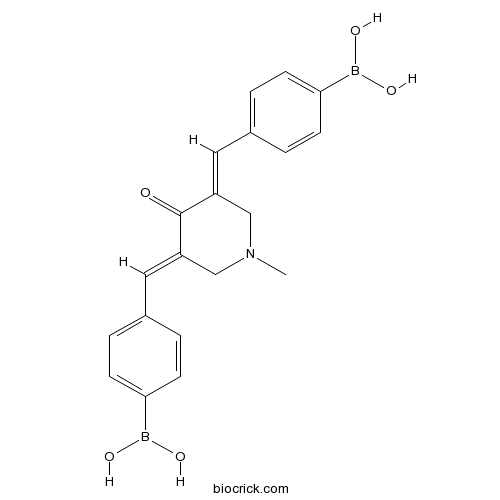
AM 114
856849-35-9
-
BCN1841
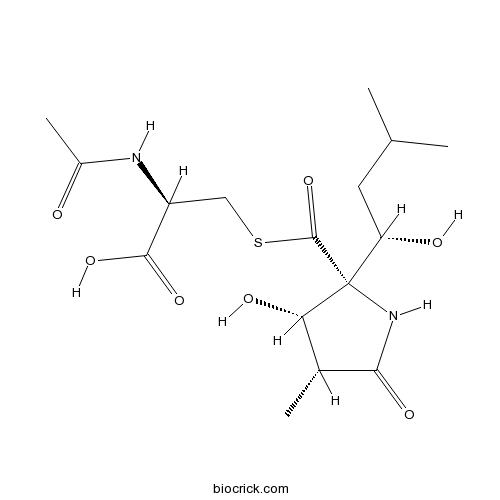
Lactacystin
Lactacystin, an antibiotic Streptomyces spp. metabolite, is a potent and selective proteasome inhibitor with an IC50 of 4.8 μM for 20S proteasome. Lactacystin also inhibits the lysosomal enzyme cathepsin A. Lactacystin inhibits cell growth and induces neurite outgrowth.
-
BCC7848
AC 261066
AC-261066 is a potent, orally available and isoform-selective retinoic acid beta2 (RARbeta2) receptor agonist, with a pEC50 of 8.0.

-
BCC7359
AC 55649
AC-55649 is a potent, highly isoform-selective agonist of human RARβ2 receptor, with a pEC50 of 6.9.
-
BCC5373
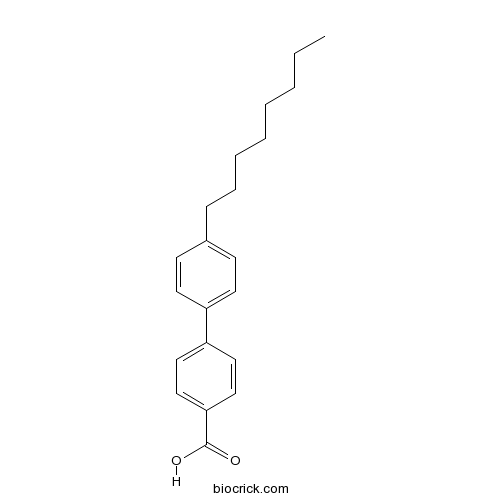
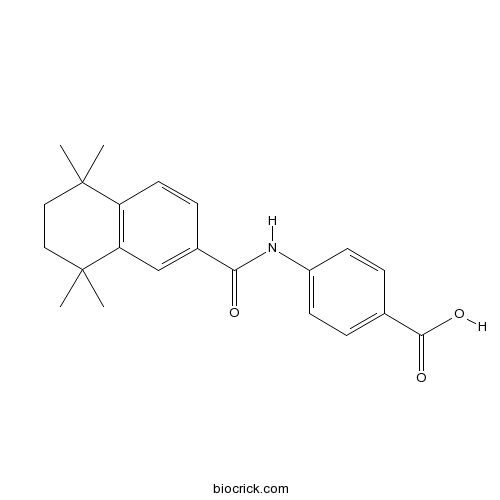
AM580
AM580 is a selective RARα agonist with IC50 and EC50 of 8 nM and 0.36 nM, respectively.
-
BCC1983
Tamibarotene
Tamibarotene is a retinoic acid receptor α/β (RARα/β) agonist, showing high selectivity over RARγ.

-
BCC6031
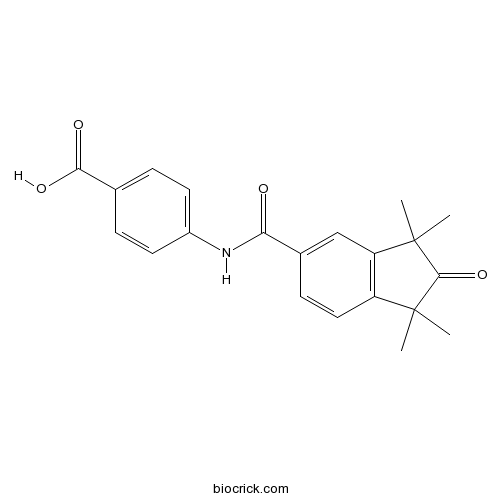
BMS 753
215307-86-1
-
BCC7680
BMS 961
185629-22-5