Myocardial Infarction Research
Myocardial infarction (MI) - more commonly referred to as a heart attack - is an acute event caused by the interruption of blood supply to regions of the heart, leading to myocardial necrosis. Infarction of a substantial area of the myocardium can disrupt normal conductance of the heart, leading to cardiac arrest.In the majority of cases, an MI is immediately preceded by the presence of an occlusive thrombus within a coronary artery, blocking blood flow to the downstream tissue. The most common cause of an occlusive thrombus within a coronary artery is the rupture of an atherosclerotic plaque. However, the occlusion of a coronary artery may also result from coronary embolism. This can occur in patients following stent placement, angioplasty, and coronary artery bypass grafting.
Myocardial Infarction Research Products Targets
- Adenosine A2B Receptor (7)
- Adenosine A2A Receptor (11)
- Voltage-gated Sodium (NaV) Channel (30)
- Voltage-gated Potassium (KV) Channel (38)
- Voltage-gated Calcium Channel (CaV) (38)
- Cell Adhesion Molecule (21)
- Others (10)
- Cyclooxygenase (24)
- Epithelial Sodium Channel (3)
- STIM-Orai Channel (4)
- Ryanodine Receptor (6)
- Angiotensin-Converting Enzyme (8)
- IP3 Receptor (2)
- Adenosine A3 Receptor (8)
- Adenosine A1 Receptor (12)
- Acid-Sensing Ion Channel (3)
- Calcium-Activated Potassium (KCa) Channel (19)
- Inward Rectifier Potassium (Kir) Channel (21)
- NO donors and precursors (9)
- nNOS (5)
- iNOS (11)
- eNOS (1)
- Stem Cell Differentiation (54)
- Delta opioid receptor (16)
- Cathepsin (9)
- Adrenergic β3 Receptor (12)
- Adrenergic β2 Receptor (6)
- Adrenergic β1 Receptor (7)
- Prostanoid Receptor (24)
Products for Myocardial Infarction Research - Page 16
- Cat.No. Product Name Information/Activity
-
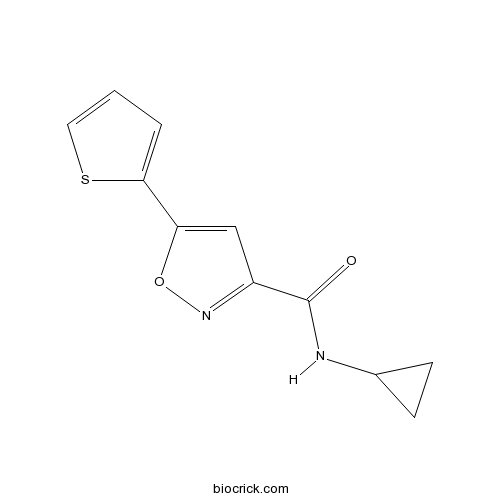
BCC6181
ISX 9
ISX-9 is a small molecule inducer of adult neural stem cell differentiation.
-
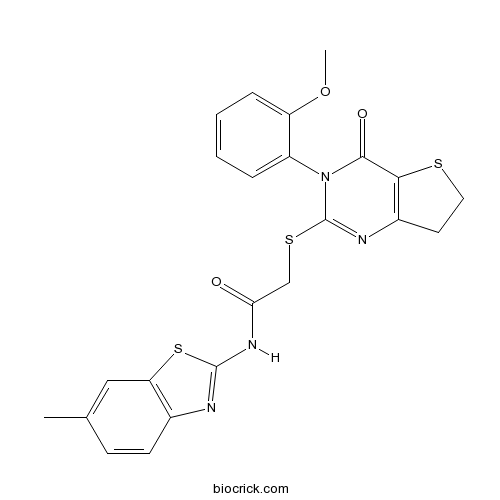
BCC5602
IWP 4
IWP-4 is a small molecule Wnt inhibitor with an IC50 of 25 nM.
-
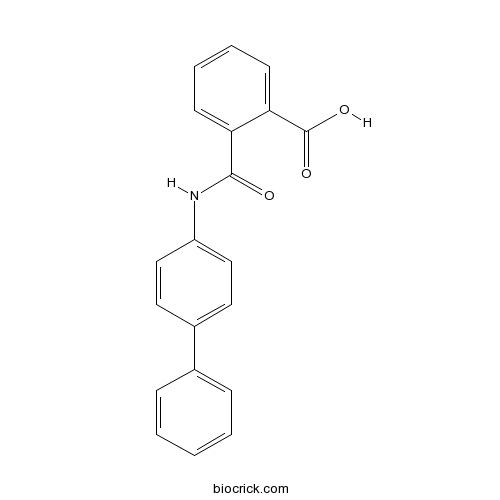
BCC6211
Kartogenin
Kartogenin is an inducer of differentiation of human mesenchymal stem cells into chondrocytes.
-
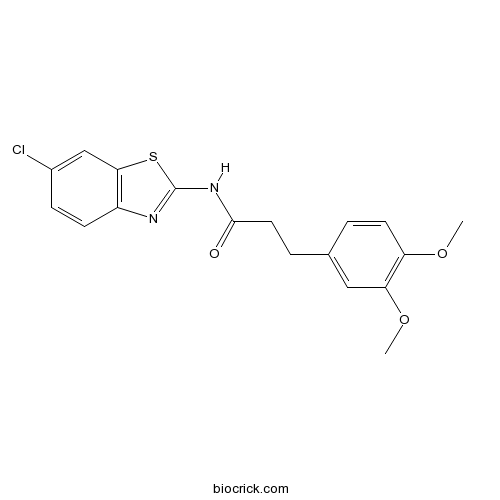
BCC3628
KY 02111
KY02111 is a small molecule which can promote differentiation of hPSCs to cardiomyocytes.
-
BCN1419
3,3'',5-Triiodo-L-thyronine Sodium Salt
Liothyronine sodium is an active form of thyroid hormone, which binds to β1 thyroid hormone receptor (TRβ1), and activates its activity.

-
BCC4799
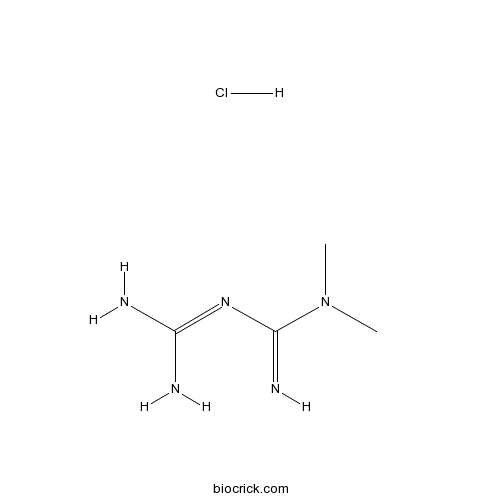
Metformin HCl
Metformin hydrochloride (1,1-Dimethylbiguanide hydrochloride) inhibits the mitochondrial respiratory chain in the liver, leading to activation of AMPK, enhancing insulin sensitivity for type 2 diabetes research. Metformin hydrochloride triggers autophagy.
-
BCC5375
Neuropathiazol
Neuropathiazol is a synthetic small molecule that induces neuronal differentiation of adult hippocampal neural progenitor cells.

-
BCN1025
Nicotinamide
Nicotinamide is a form of vitamin B3 that plays essential roles in cell physiology through facilitating NAD+ redox homeostasis and providing NAD+ as a substrate to a class of enzymes that catalyze non-redox reactions. Nicotinamide is an inhibitor of SIRT1.

-
BCC7792
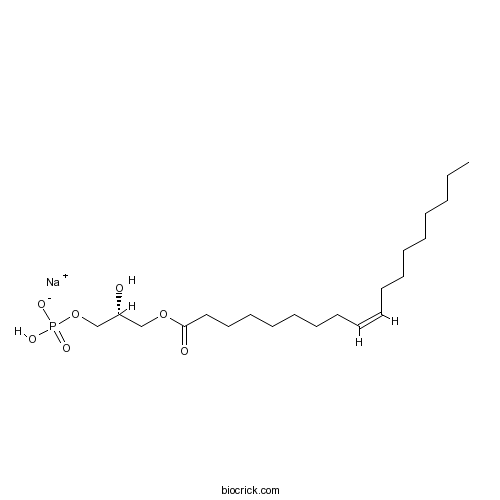
1-Oleoyl lysophosphatidic acid sodium salt
LPA<sub>1</sub> and LPA<sub>2</sub> agonist; inhibits differentiation of neural stem cells into neurons
-
BCC6524
P7C3
P7C3 is a NAMPT activator.