
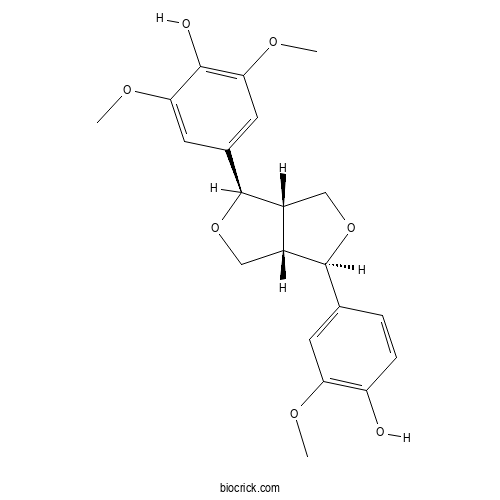
MedioresinolCAS# 125638-34-8 |
| Cas No. | 125638-34-8 | SDF | File under preparation. |
| PubChem ID | 133561836.0 | Appearance | Powder |
| Formula | C21H24O7 | M.Wt | 388.4 |
| Type of Compound | N/A | Storage | Desiccate at -20°C |
| Solubility | Soluble in Chloroform,Dichloromethane,Ethyl Acetate,DMSO,Acetone,etc. | ||
| Chemical Name | 4-[(3R,3aS,6R,6aS)-3-(4-hydroxy-3-methoxyphenyl)-1,3,3a,4,6,6a-hexahydrofuro[3,4-c]furan-6-yl]-2,6-dimethoxyphenol | ||
| SMILES | COC1=CC(=CC(=C1O)OC)C2C3COC(C3CO2)C4=CC(=C(C=C4)O)OC | ||
| Standard InChIKey | VJOBNGRIBLNUKN-HANNOOJCSA-N | ||
| Standard InChI | InChI=1S/C21H24O7/c1-24-16-6-11(4-5-15(16)22)20-13-9-28-21(14(13)10-27-20)12-7-17(25-2)19(23)18(8-12)26-3/h4-8,13-14,20-23H,9-10H2,1-3H3/t13-,14-,20+,21+/m1/s1 | ||
| General tips | For obtaining a higher solubility , please warm the tube at 37 ℃ and shake it in the ultrasonic bath for a while.Stock solution can be stored below -20℃ for several months. We recommend that you prepare and use the solution on the same day. However, if the test schedule requires, the stock solutions can be prepared in advance, and the stock solution must be sealed and stored below -20℃. In general, the stock solution can be kept for several months. Before use, we recommend that you leave the vial at room temperature for at least an hour before opening it. |
||
| About Packaging | 1. The packaging of the product may be reversed during transportation, cause the high purity compounds to adhere to the neck or cap of the vial.Take the vail out of its packaging and shake gently until the compounds fall to the bottom of the vial. 2. For liquid products, please centrifuge at 500xg to gather the liquid to the bottom of the vial. 3. Try to avoid loss or contamination during the experiment. |
||
| Shipping Condition | Packaging according to customer requirements(5mg, 10mg, 20mg and more). Ship via FedEx, DHL, UPS, EMS or other couriers with RT, or blue ice upon request. | ||
Quality Control & MSDS
3D structure
Package In Stock

Number of papers citing our products


Medioresinol Dilution Calculator
Medioresinol Molarity Calculator
-
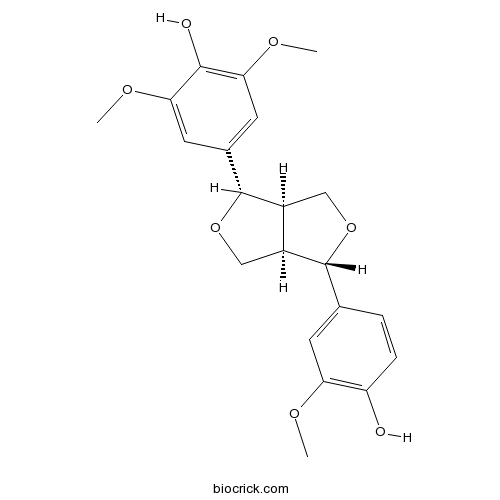 MedioresinolCatalog No.: BCN5462CAS No.: 40957-99-1
-
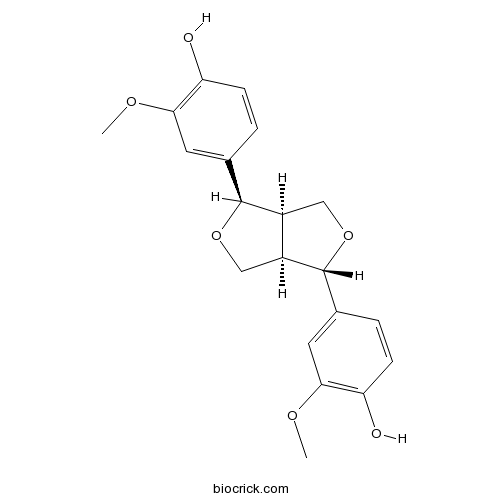 (+)-EpipinoresinolCatalog No.: BCN3255CAS No.: 24404-50-0
-
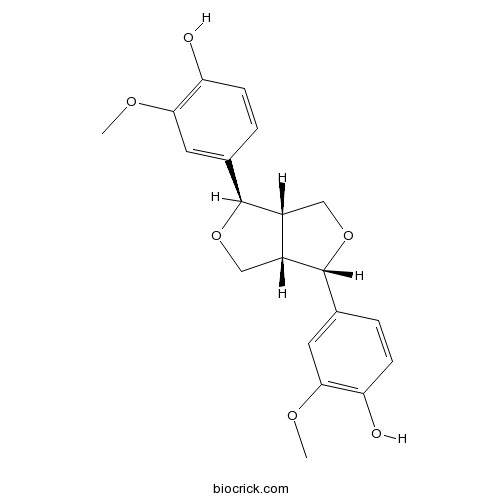 (-)-EpipinoresinolCatalog No.: BCN3377CAS No.: 10061-38-8
-
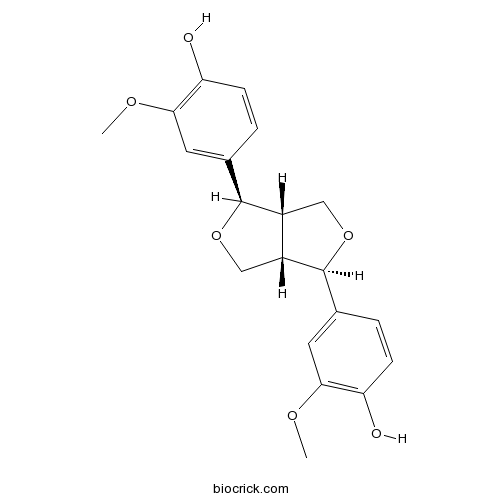 (-)-PinoresinolCatalog No.: BCN3254CAS No.: 81446-29-9
-
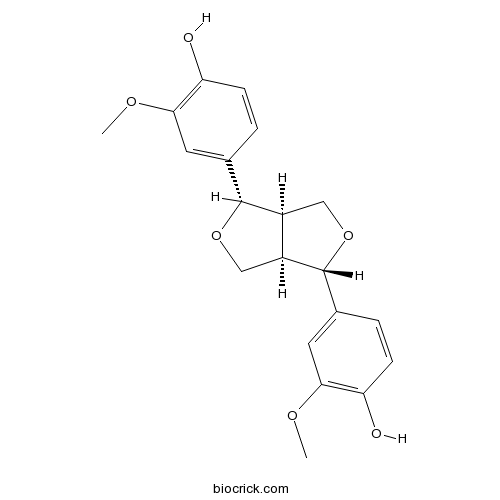 PinoresinolCatalog No.: BCN5591CAS No.: 487-36-5
-
 (±)-PinoresinolCatalog No.: BCN9179CAS No.: 4263-88-1
-
 DL-SyringaresinolCatalog No.: BCN6053CAS No.: 1177-14-6
-
 (-)-SyringaresinolCatalog No.: BCN3417CAS No.: 6216-81-5
-
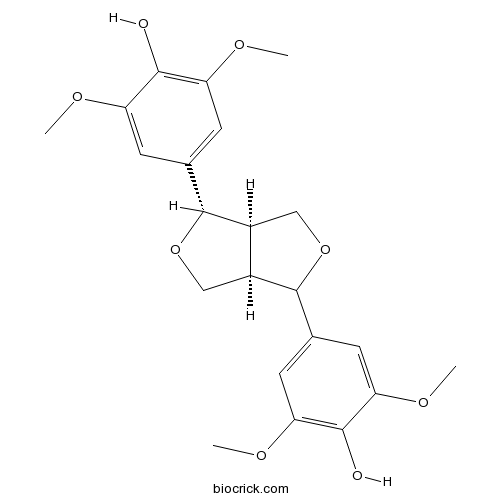 SyringaresinolCatalog No.: BCN3042CAS No.: 487-35-4
-
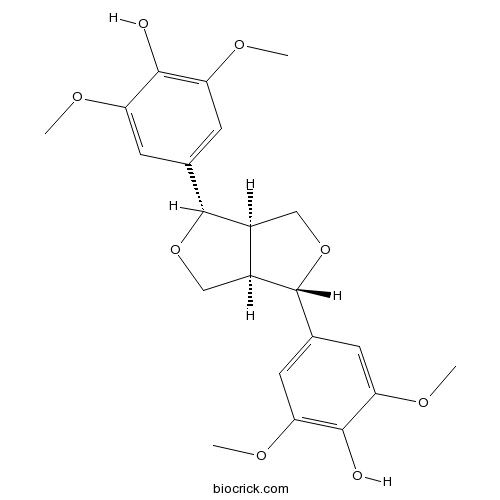 (+)-SyringaresinolCatalog No.: BCN7496CAS No.: 21453-69-0
-
 EpisyringaresinolCatalog No.: BCN7023CAS No.: 51152-20-6
-
 (-)-EpisyringaresinolCatalog No.: BCN9229CAS No.: 6216-82-6
-
 PhillygeninCatalog No.: BCN2653CAS No.: 487-39-8
-
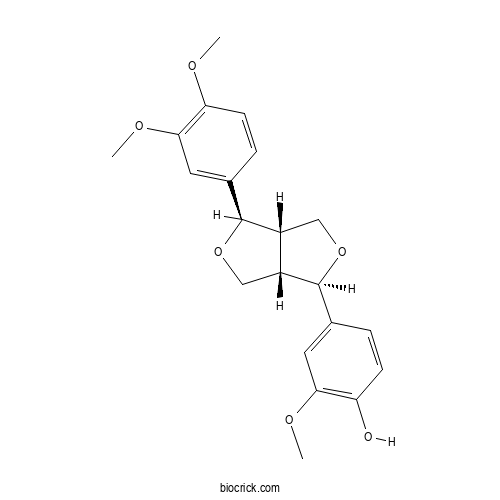 Pinoresinol monomethyl etherCatalog No.: BCX2592CAS No.: 95404-51-6
-
 De-4'-O-methylyangambinCatalog No.: BCN1662CAS No.: 149250-48-6
-
 Phyllostadimer ACatalog No.: BCN4178CAS No.: 638203-32-4
-
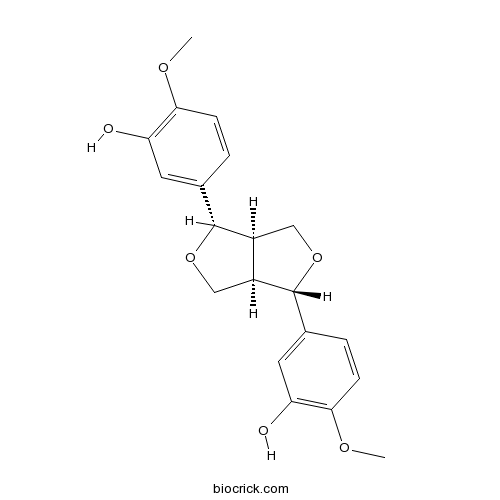 Clemaphenol ACatalog No.: BCN7834CAS No.: 362606-60-8
-
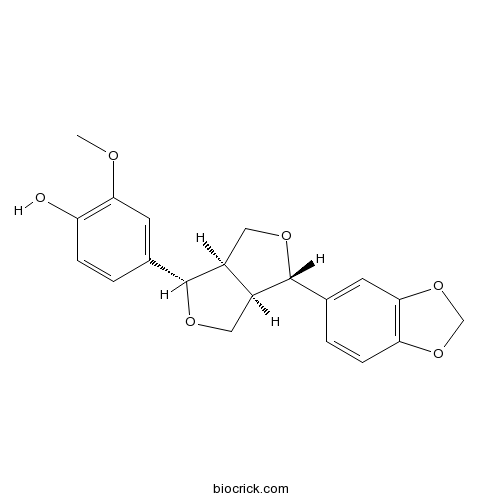 PiperitolCatalog No.: BCN3968CAS No.: 52151-92-5
-
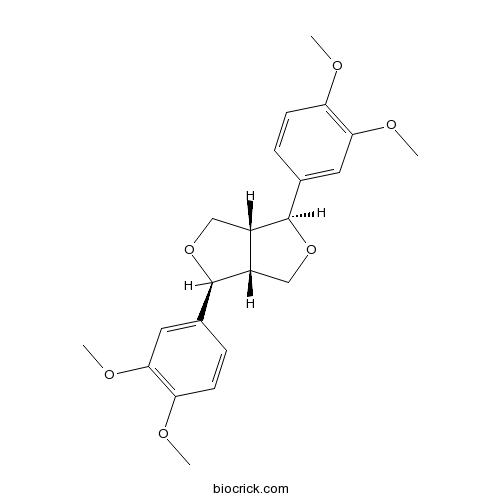 Pinoresinol dimethyl etherCatalog No.: BCN6767CAS No.: 29106-36-3
-
 EudesminCatalog No.: BCN6563CAS No.: 526-06-7
-
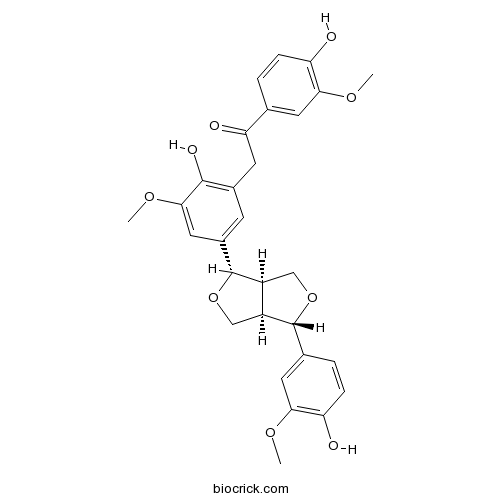 HerpetoneCatalog No.: BCN2812CAS No.: 951677-22-8
-
 Balanophonin BCatalog No.: BCX0580CAS No.: 92216-41-6
-
 MagnolinCatalog No.: BCN5224CAS No.: 31008-18-1
-
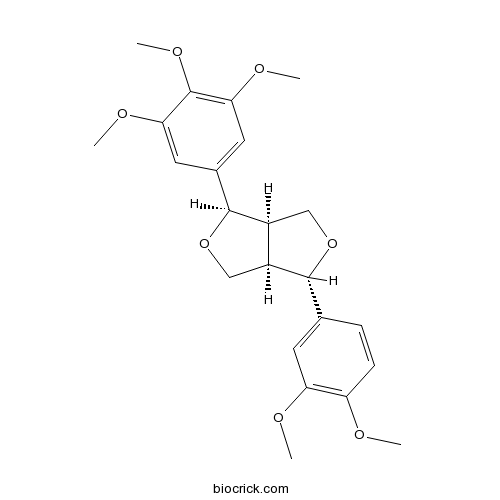 Epimagnolin ACatalog No.: BCN7831CAS No.: 41689-51-4
-
 (±)-MagnolinCatalog No.: BCN9663CAS No.: 1275595-33-9
-
 JusticiresinolCatalog No.: BCN3419CAS No.: 136051-41-7
-
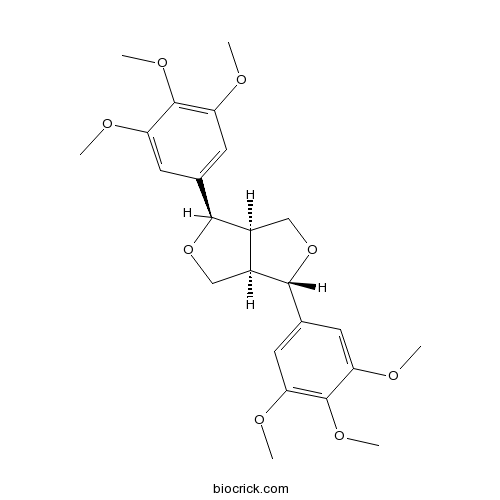 EpiyangambinCatalog No.: BCN7029CAS No.: 24192-64-1
-
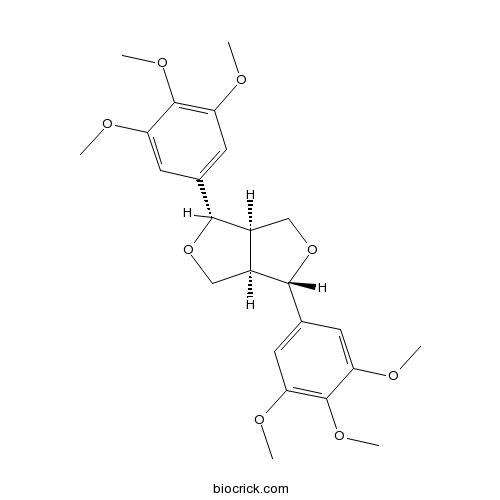 YangambinCatalog No.: BCN6706CAS No.: 13060-14-5
| 1 mg | 5 mg | 10 mg | 20 mg | 25 mg | |
| 1 mM | 2.5747 mL | 12.8733 mL | 25.7467 mL | 51.4933 mL | 64.3666 mL |
| 5 mM | 0.5149 mL | 2.5747 mL | 5.1493 mL | 10.2987 mL | 12.8733 mL |
| 10 mM | 0.2575 mL | 1.2873 mL | 2.5747 mL | 5.1493 mL | 6.4367 mL |
| 50 mM | 0.0515 mL | 0.2575 mL | 0.5149 mL | 1.0299 mL | 1.2873 mL |
| 100 mM | 0.0257 mL | 0.1287 mL | 0.2575 mL | 0.5149 mL | 0.6437 mL |
| * Note: If you are in the process of experiment, it's necessary to make the dilution ratios of the samples. The dilution data above is only for reference. Normally, it's can get a better solubility within lower of Concentrations. | |||||
- 3β-Hydroxy-12,13E-biformen
Catalog No.:BCX2693
CAS No.:71052-17-0
- 4-epi-trans-Communol
Catalog No.:BCX2692
CAS No.:203319-77-1
- threo-Guaiacylglycerol-β-coniferylaldehyde ether
Catalog No.:BCX2691
CAS No.:74474-54-7
- (2S*,3S*)-3-((E)-4,8-dimethylnona-3,7-dien-1-yl)-7-methoxy-2,3-dimethyl-2H-furo[3,2-c]chromen-4(3H)-one
Catalog No.:BCX2690
CAS No.:1714988-35-8
- 4,6-Di-O-galloylarbutin
Catalog No.:BCX2689
CAS No.:108027-05-0
- (3-Hydroxy-9-(4′-hydroxy-3′-methoxyphenyl)-11-methoxy-5,6,9,10-tetrahydrophenanthro[2,3-b]furan-10-yl)methyl acetate
Catalog No.:BCX2688
CAS No.:1009566-73-7
- Neridienone A
Catalog No.:BCX2687
CAS No.:53823-05-5
- Scabiostellatoside A
Catalog No.:BCX2686
CAS No.:2229823-05-4
- Thaliatrioside A
Catalog No.:BCX2685
CAS No.:3078805-86-1
- Pestalotiopsin H
Catalog No.:BCX2684
CAS No.:2270234-26-7
- Arundinan
Catalog No.:BCX2683
CAS No.:767291-22-5
- Arundin
Catalog No.:BCX2682
CAS No.:148225-37-0
- Sitoindoside II
Catalog No.:BCX2695
CAS No.:53657-29-7
- (2S*,3R*)-3-((E)-4,8-dimethylnona-3,7-dien-1-yl)-7-methoxy-2,3-dimethyl-2H-furo[3,2-c]chromen-4(3H)-one
Catalog No.:BCX2696
CAS No.:263746-15-2
- Bleformin G
Catalog No.:BCX2697
CAS No.:1980064-41-2
- Ferulin D
Catalog No.:BCX2698
CAS No.:1440795-35-6
- 8,14-Epoxy-4-acetoxycardanolide 3-O-α-L-cymaropyranoside
Catalog No.:BCX2699
CAS No.:1034171-38-4
- 3-O-[β-D-xylopyranosyl-(1→3)-a-L-rhamnopyranosyl-(1→2)-a-L-arabinopyranosyl]oleanolic acid 28-O-β-D-glucopyranosyl ester
Catalog No.:BCX2700
CAS No.:688797-26-4
- Staunoside C
Catalog No.:BCX2701
CAS No.:153980-86-0
- Dihydrophaseic acid β-D-glucopyranosyl ester
Catalog No.:BCX2702
CAS No.:114906-04-6
- Pestalone
Catalog No.:BCX2703
CAS No.:381722-85-6
- Caffeyl alcohol 4-O-β-glucopyranoside
Catalog No.:BCX2704
CAS No.:183859-30-5
- Caffeyl alcohol 3-O-β-glucopyranoside
Catalog No.:BCX2705
CAS No.:1303610-03-8
- Ferulin B
Catalog No.:BCX2706
CAS No.:1440795-29-8
[A new lignan from Cinnamomum longepaniculatum with antioxidant activity].[Pubmed:42543303]
Zhongguo Zhong Yao Za Zhi. 2026 Jun;51(12):3444-3449.
The chemical constituents of Cinnamomum longepaniculatum leaves were isolated and purified using separation techniques such as silica gel column chromatography, macroporous adsorption resin, gel column chromatography, and preparative high-performance liquid chromatography. The isolated compounds were identified by combining spectroscopic techniques including high-resolution electrospray ionization mass spectrometry(HR-ESI-MS), nuclear magnetic resonance(NMR), ultraviolet spectroscopy(UV), and infrared spectroscopy(IR) and literature data. A total of nine compounds were identified: cinlongeligan A(1), salicifoneoliganol(2),(-)-syringaresinol-4-O-beta-D-apiofuranosyl-(1-->2)-beta-D-glucopyranoside(3), syringaresinol mono-beta-D-glucoside(4), episyringaresinol-4''-O-beta-D-glucopyranoside(5),(+)-Medioresinol 4'-O-beta-D-glucopyranoside(6), lyoniside(7), lantibetin(8),(+)-isolariciresinol-9-O-beta-D-glucoside(9). Compound 1 was a novel lignan derivative. Except for compounds 7 and 9, all others were isolated from the genus Cinnamomum for the first time. The results of antioxidant activity showed that compounds 1 and 3 had significant scavenging capacity against 2,2-diphenyl-1-picrylhydrazyl(DPPH) free radical with IC_(50) values of(10.35+/-0.46) and(9.73+/-0.62) mug.mL~(-1), respectively.
Comparison of Lignan Contents and Antioxidant Activities in Five Perilla (Perilla frutescens) Korean Cultivars.[Pubmed:42382027]
Prev Nutr Food Sci. 2026 Jun 18;31(3):pnf.2026.025.
We analyzed five Korean perilla (Perilla frutescens) cultivars for their lignan contents and antioxidant activities. Lignans were measured using liquid chromatography-mass spectrometry; six compounds were detected: secoisolariciresinol, matairesinol, syringaresinol, lariciresinol, Medioresinol, and pinoresinol. The total lignan content differed among cultivars, with Anyu having the highest level at 88.639 microg/100 g; among them, syringaresinol was predominant, whereas several others were not detected. The antioxidant activity also varied among cultivars; Dayu and Gayeon had higher polyphenols and flavonoids than the others. Dayu and Neulbora showed the highest 2,2'-azino-bis(3-ethylbenzothiazoline-6-sulfonic acid) diammonium salt radical-scavenging activity, whereas Neulbora exhibited the strongest 2,2-diphenyl-1-picrylhydrazyl radical-scavenging activity. Correlation analysis indicated that antioxidant activity was not robustly associated with lignan content and was only weakly related to total phenolic and flavonoid contents. These results suggest that the antioxidant capacity of perilla seeds may be influenced by multiple components rather than by lignans or phenolic compounds alone.
The Metabolic Diversity of Different Salsola Species Valorized Through Untargeted Metabolomics and In Vitro Bioassays: The Importance of Phenolic Constituents.[Pubmed:41600006]
Plants (Basel). 2026 Jan 8;15(2):199.
Five Salsola species have been studied as sources of bioactive compounds using a comprehensive, untargeted metabolomic and bioactivity assessment. Plant material was extracted using ethyl acetate (EA), water, and methanol (MeOH). S. ruthenica exhibited the highest total phenolic content (46.04 mg GAE/g, MeOH extract) and antioxidant capacity (DPPH: 47.21 mg TE/g; ABTS: 97.40 mg TE/g; CUPRAC: 141.38 mg TE/g; FRAP: 80.30 mg TE/g). Extracts of S. stenoptera and S. ruthenica showed potent cholinesterase inhibition, while S. crassa was notably active against tyrosinase. A total of 265 metabolites were annotated, revealing strong solvent- and species-specific differences in phenolic composition, as confirmed by AMOPLS analysis. Flavanols, anthocyanins, and lignans emerged as the major chemotaxonomic markers, based on PCA, contributing the most to the total variance. Strong correlations were observed between TPC and CUPRAC (r = 0.93) and between flavanols and DPPH (r = 0.70), suggesting functional relevance of these compounds in redox activity, confirming the importance of different classes of phenolic constituents. VIP markers also revealed species- and solvent-specific enrichments of metabolites. Regularized canonical correlation analysis (rCCA) further linked specific metabolites, namely Quercetin 3-O-glucosyl-xyloside and 6''-O-Acetylgenistin, the flavanone sakuranetin, the lignans Secoisolariciresinol, Anhydro-secoisolariciresinol, and Medioresinol, and p-Coumaric acid ethyl ester, with antioxidant functions. These findings underscore the pharmacological potential of Salsola species and highlight the importance of valorizing metabolic diversity in the search for new sources of health-promoting natural compounds. Furthermore, the work shows the need for a tailored solvent selection in bioactivity-guided phytochemical research.
A new anti-inflammatory monoterpenoid indole alkaloid from the trunk of Nauclea officinalis.[Pubmed:40952887]
J Asian Nat Prod Res. 2026 Jun;28(6):926-941.
Two monoterpenoid indole alkaloids including one undescribed alkaloid, naucleficine B (1), and a known alkaloid glycoside, strictosamide (2) were isolated from ethyl acetate fraction of the 95% ethanol extract from the trunk of Nauclea officinalis, together with three known non-alkaloid components, (+)-Medioresinol (3), protocatechuic acid (4), and benzoic acid (5). Their structures were elucidated on the basis of extensive spectroscopic analysis and X-ray diffraction. Compounds 1 and 2 exhibited potent anti-inflammatory effects in cigarette smoke extract (CSE)-stimulated RAW 264.7 and THP-1 macrophages. These compounds significantly suppressed nitric oxide (NO) generation, reduced the secretion of inflammatory mediators, and inhibited the activation of inflammation-related proteins.
Protein biomarker modulation and wound healing efficacy of mentha piperita-based green-synthesized silver nanoparticles in alloxan-induced diabetic rats.[Pubmed:40694507]
J Drug Target. 2026 Jan;34(1):68-81.
BACKGROUND: Prognostic therapy for treating cutaneous wounds requires information about antioxidants and clotting factors in the tissue-remodeling phases. PURPOSE: To find the differential expression of potential biomarkers in diabetic rat wounds post-healing after confirming the stability of Mentha piperita-silver nanoparticles (MPAgNPs). METHODS: MPAgNPs were characterized, and their bioactive compounds were identified by Liquid chromatography-tandem mass spectrometry (LC-MS/MS). Sodium dodecyl sulphate-polyacrylamide gel electrophoresis (SDS-PAGE) is used to find differential protein expression in diabetic healed rat skin, followed by Quantitative Reverse transcriptase polymerase chain reaction (qRT-PCR) for their confirmation. RESULTS: Scanning and transmission electron microscopy revealed spherical core metallic sizes of 50 nm. Dynamic light scattering determines the MPAgNPs' hydrodynamic size of 127 nm. The zeta potential value of -15.4 mV confirmed the NP's stability. Medioresinol, rosmarinic acid, caffeic acid, salvianolic acid, and methyl syringate were the bioactive compounds identified in M. piperita by LC-MS/MS. SDS-PAGE shows differential expression of anti-inflammatory, anti-apoptotic, antioxidant, and defense proteins. Antioxidant assays show increased levels of superoxide dismutase and glutathione peroxidase with decreased malondialdehyde. qRT-PCR confirmed enhanced expression of transforming growth factor, Thrombin, and Glutathione S-transferase P. At the same time, Tumor necrosis factor alpha, and Interleukin show reduced expression 16-D after MPAgNPs treatment.
Discovery of Lignans from the Herbs of Peperomia heyneana with Inhibitory Activities on BPH-1 Cells.[Pubmed:40333839]
Molecules. 2025 Apr 17;30(8):1809.
Chemical investigation on the whole herb of Peperomia heyneana Miq. resulted in the isolation of six lignans, including two previously undescribed compounds, named peperomianan A and B (1-2), and four known compounds, 1,2-cyclobutanedicarboxylic acid (3), (+)-Medioresinol (4), (+)-pinoresinol (5), and (+)-yangambin (6). Their structures were established by extensive spectroscopic analyses. The absolute configuration of compound 1 was determined by comparison of the experimental and calculated electronic circular dichroism (ECD) spectra. Subsequently, the effects of all isolates on BPH-1 cells were evaluated in vitro by MTT assay.
Chemical constituents and biological activities of the whole plant of Cuscuta chinensis Lam.[Pubmed:40188499]
Nat Prod Res. 2026 Feb;40(3):937-942.
A total of twenty-one compounds were obtained from the whole plant of Cuscuta chinensis Lam. The compounds' structures were identified as 3-hydroxy-N-phenethylpropanamide (1), (+)-pinoresinol-O-beta-D- glucopyranoside (2), simplexoside (3), (+)-pinoresinol (4), scopoletin (5), (-)-loliolide (6), N-trans-feruloyltyramine (7), (+)-syringaresinol (8), Medioresinol (9), 3,4-dehydrotheaspirone (10), 2-ethoxy-1H-pyrimidine-4,6-dione (11), ethyl 4-hydroxybenzoate(12), hydroquinone (13), vanillic acid (14), beta-daucosterol (15), methyl 2,4,6-trihydroxybenzoate (16), roseoside (17), vomifoliol (18), pyrocatechol (19), E-p-coumaric acid (20), Z-p-hydroxy-cinnamic acid (21). Among them, ten compounds (1,3,5,6,10,11,16,17,18,19) were isolated from this plant for the first time, while compound 1 was isolated as an undescribed natural compound. Moreover, the dichloromethane and ethyl acetate extracts indicated potential bioactivity, and compound 2 showed certain anti-inflammatory activity. This study provides a scientific basis for elucidating the composites and activity of C. chinensis.
A new bicyclo [3.3.1]nonadienemethanol-type lignan from the leaves of Taxus wallichiana Zucc.[Pubmed:39401056]
Nat Prod Res. 2026 Jan;40(2):514-521.
Following an alpha-glucosidase inhibitory activity-guided phytochemical study, a rare new bicyclo[3.3.1]nonadienemethanol-type lignan named 9,9'-oxidolanceolatanin B (1) and four known lignans, lanceolatanin B (2), pinoresinol (3), syringaresinol (4), and Medioresinol (5), were isolated from a CHCl(3)-soluble fraction of Taxus wallichiana Zucc. leaves. The absolute configuration of 9,9'-oxidolanceolatanin B was elucidated based on NMR spectroscopic interpretation and ECD data. All isolated compounds 1-5 showed stronger alpha-glucosidase inhibitory potency than the positive control, acarbose. This data could support the conceit that Taxus wallichiana leaves could be a promising source for plant-based anti-diabetic drug discovery.
Medioresinol from Eucommiae cortex improves myocardial infarction-induced heart failure through activation of the PI3K/AKT/mTOR pathway: A network analysis and experimental study.[Pubmed:39331625]
PLoS One. 2024 Sep 27;19(9):e0311143.
OBJECTIVE: This study aims to systematically analyze the potential active components of Eucommiae cortex in the treatment of post- myocardial infarction heart failure through network analysis and molecular docking methods. In vitro experiments were conducted to verify that Medioresinol, a component of Eucommiae cortex, improves oxygen-glucose deprivation-induced cell failure through its anti-inflammatory and antioxidant capacities. METHODS: Potential active components of Eucommiae cortex were screened using specific data. The targets of these components were predicted using Swiss Institute of Bioinformatics database and TargetNet, and key targets were identified by intersecting with the disease targets of myocardial infarction and heart failure. Protein-Protein Interaction analysis was performed on the key targets to screen for core targets. Genomics Institute of the Novartis Research Foundation and Human Protein Atlas were used to identify myocardial highly expressed targets. Kyoto Encyclopedia of Genes and Genomes and Gene Ontology enrichment analyses were conducted using the Database for Annotation, Visualization, and Integrated Discovery. Molecular docking was performed for the final components and target proteins. In vitro experiments were carried out using H9c2 cells subjected to oxygen and glucose deprivation conditions to validate the effects of the screened potential active components. RESULTS: Network analysis revealed that Eucommiae cortex might exert its effects through the phosphoinositide 3-kinase/protein kinase B/mammalian target of rapamycin (PI3K/AKT/mTOR), hypoxia-inducible factor 1, and Janus kinase/signal transducer and activator of transcription pathways, which are crucial for myocardial contraction, vascular tone regulation, inflammatory response, and oxidative stress. Molecular docking indicated stable binding of the selected compounds to PI3K, AKT, and mTOR. Medioresinol was selected for further study and shown to significantly improve oxidative stress and inflammatory response in myocardial ischemia-hypoxia model cells by activating the PI3K/AKT/mTOR pathway. CONCLUSION: This study confirms the role of the PI3K/AKT/mTOR pathway in the cardiovascular protective effects of Eucommiae cortex and provides evidence at the cellular level. Medioresinol demonstrated potential therapeutic effects on myocardial infarction induced heart failure by reducing oxidative stress and inflammatory responses. These findings offer a theoretical basis for the application of Eucommiae cortex in the treatment of heart failure and support the development of new therapeutic drugs for cardiovascular diseases. Future research should further validate these effects in animal models and explore the overall efficacy of Eucommiae cortex.
A Review of Antidiabetic Medicinal Plants as a Novel Source of Phosphodiesterase Inhibitors: Future Perspective of New Challenges Against Diabetes Mellitus.[Pubmed:38265379]
Med Chem. 2024;20(5):467-486.
Intracellular glucose concentration plays a crucial role in initiating the molecular secretory process of pancreatic beta-cells through multiple messengers and signaling pathways. Cyclic nucleotides are key physiological regulators that modulate pathway interactions in beta -cells. An increase of cyclic nucleotides is controled by hydrolysed phosphodiesterases (PDEs), which degrades cyclic nucleotides into inactive metabolites. Despite the undeniable therapeutic potential of PDE inhibitors, they are associated with several side effects. The treatment strategy for diabetes based on PDE inhibitors has been proposed for a long time. Hence, the world of natural antidiabetic medicinal plants represents an ideal source of phosphodiesterase inhibitors as a new strategy for developing novel agents to treat diabetes mellitus. This review highlights medicinal plants traditionally used in the treatment of diabetes mellitus that have been proven to have inhibitory effects on PDE activity. The contents of this review were sourced from electronic databases, including Science Direct, PubMed, Springer Link, Web of Science, Scopus, Wiley Online, Scifinder and Google Scholar. These databases were consulted to collect information without any limitation date. After comprehensive literature screening, this paper identified 27 medicinal plants that have been reported to exhibit anti-phosphodiesterase activities. The selection of these plants was based on their traditional uses in the treatment of diabetes mellitus. The review emphasizes the antiphosphodiesterase properties of 31 bioactive components derived from these plant extracts. Many phenolic compounds have been identified as PDE inhibitors: Brazilin, mesozygin, artonin I, chalcomaracin, norartocarpetin, moracin L, moracin M, moracin C, curcumin, gallic acid, caffeic acid, rutin, quercitrin, quercetin, catechin, kaempferol, chlorogenic acid, and ellagic acid. Moreover, smome lignans have reported as PDE inhibitors: (+)-Medioresinol di-O-beta-d-glucopyranoside, (+)- Pinoresinol di-O-beta-d-glucopyranoside, (+)-Pinoresinol-4-O-beta-d-glucopyranosyl (1-->6)-beta-dglucopyranoside, Liriodendrin, (+)-Pinoresinol 4'-O-beta-d-glucopyranoside, and forsythin. This review provides a promising starting point of medicinal plants, which could be further studied for the development of natural phosphodiesterase inhibitors to treat diabetes mellitus. Therefore, it is important to consider clinical studies for the identification of new targets for the treatment of diabetes.
Exploring the mechanism and experimental validation of Fuzi Lizhong Tang in treating gastric cancer based on network pharmacology and molecular docking.[Pubmed:37843333]
Eur Rev Med Pharmacol Sci. 2023 Oct;27(19):9192-9204.
OBJECTIVE: This study aimed to explore the mechanism of Fuzi Lizhong Tang (FZLZT) in treating gastric cancer using network pharmacology and molecular docking, and to validate the results through in vitro experiments. MATERIALS AND METHODS: Active ingredients and target genes of FZLZT were obtained from the Traditional Chinese Medicine Systems Pharmacology (TCMSP) database, while disease targets of gastric cancer were collected from GeneCards, OMIM, and DrugBank databases. The "herb-active ingredient-target gene" network was constructed using Cytoscape software, and core active ingredients were obtained through topological analysis. Protein-protein interaction analysis was performed using the STRING database, and core targets were obtained through topological analysis. Gene Ontology (GO) function and Kyoto Encyclopedia of Genes and Genomes (KEGG) signaling pathway enrichment analysis were performed using the DAVID database. Molecular docking was conducted using AutoDock Vina software to verify the interaction between core ingredients and core targets. Cholecystokinin octapeptide (CCK-8) assay was used to determine the proliferation inhibition effect of FZLZT on AGS, BGC823, HGC-27, MGC-803, and SGC-7901 gastric cancer cell lines, and ANNEXIN V-FITC/PI double staining combined with flow cytometry was used to measure the cell apoptosis rate. RESULTS: Network pharmacology analysis revealed 117 active ingredients and 261 target genes of FZLZT, and 211 overlapping targets with gastric cancer. Ten core active ingredients were identified through topological analysis, including quercetin, 7-methoxy-2-methyl isoflavone, kaempferol, luteolin, naringenin, isorhamnetin, quercetagetin, glycyrrhizic acid A, beta-sitosterol, and Medioresinol. GO and KEGG enrichment analysis showed that the mechanism of FZLZT in treating gastric cancer mainly involves cancer, inflammation, metabolism, and blood rheology-related pathways, and may act through 7 core targets (CDKN1A, MYC, MAPK1, MAPK14, RB1, RELA, and STAT3). Molecular docking results further confirmed the prediction of network pharmacology. In vitro experiments showed that FZLZT inhibited the proliferation of all five gastric cancer cell lines, with the strongest effect on SGC-7901 cells, and induced apoptosis in SGC-7901 cells. CONCLUSIONS: FZLZT has a multi-component, multi-target, and multi-pathway characteristic in treating gastric cancer. Its active ingredients may regulate the expression of proteins such as CDKN1A, MYC, MAPK1, MAPK14, RB1, RELA, and STAT3 to activate cancer-related signaling pathways to achieve its therapeutic effect.
Evaluation of the polyphenolic profile of native Ecuadorian stingless bee honeys (Tribe: Meliponini) and their antibiofilm activity on susceptible and multidrug-resistant pathogens: An exploratory analysis.[Pubmed:37455680]
Curr Res Food Sci. 2023 Jun 29;7:100543.
Biofilms are associated with infections that are resistant to conventional therapies, contributing to the antimicrobial resistance crisis. The need for alternative approaches against biofilms is well-known. Although natural products like stingless bee honeys (tribe: Meliponini) constitute an alternative treatment, much is still unknown. Our main goal was to evaluate the antibiofilm activity of stingless bee honey samples against multidrug-resistant (MDR) pathogens through biomass assays, fluorescence (cell count and viability), and scanning electron (structural composition) microscopy. We analyzed thirty-five honey samples at 15% (v/v) produced by ten different stingless bee species (Cephalotrigona sp., Melipona sp., M. cramptoni, M. fuscopilosa, M. grandis, M. indecisa, M. mimetica, M. nigrifacies, Scaptotrigona problanca, and Tetragonisca angustula) from five provinces of Ecuador (Tungurahua, Pastaza, El Oro, Los Rios, and Loja) against 24-h biofilms of Staphylococcus aureus, Klebsiella pneumoniae, Candida albicans, and Candida tropicalis. The present honey set belonged to our previous study, where the samples were collected in 2018-2019 and their physicochemical parameters, chemical composition, mineral elements, and minimal inhibitory concentration (MIC) were screened. However, the polyphenolic profile and their antibiofilm activity on susceptible and multidrug-resistant pathogens were still unknown. According to polyphenolic profile of the honey samples, significant differences were observed according to their geographical origin in terms of the qualitative profiles. The five best honey samples (OR24.1, LR34, LO40, LO48, and LO53) belonging to S. problanca, Melipona sp., and M. indecisa were selected for further analysis due to their high biomass reduction values, identification of the stingless bee specimens, and previously reported physicochemical parameters. This subset of honey samples showed a range of 63-80% biofilm inhibition through biomass assays. Fluorescence microscopy (FM) analysis evidenced statistical log reduction in the cell count of honey-treated samples in all pathogens (P <0.05), except for S. aureus ATCC 25923. Concerning cell viability, C. tropicalis, K. pneumoniae ATCC 33495, and K. pneumoniae KPC significantly decreased (P <0.01) by 21.67, 25.69, and 45.62%, respectively. Finally, scanning electron microscopy (SEM) analysis demonstrated structural biofilm disruption through cell morphological parameters (such as area, size, and form). In relation to their polyphenolic profile, Medioresinol was only found in the honey of Loja, while scopoletin, kaempferol, and quercetin were only identified in honey of Los Rios, and dihydrocaffeic and dihydroxyphenylacetic acids were only detected in honey of El Oro. All the five honey samples showed dihydrocoumaroylhexose, luteolin, and kaempferol rutinoside. To the authors' best knowledge, this is the first study to analyze stingless bees honey-treated biofilms of susceptible and/or MDR strains of S. aureus, K. pneumoniae, and Candida species.
Potential Benefits of Dietary Plant Compounds on Normal and Tumor Brain Cells in Humans: In Silico and In Vitro Approaches.[Pubmed:37108565]
Int J Mol Sci. 2023 Apr 17;24(8):7404.
Neuroblastoma can be accessed with compounds of larger sizes and wider polarities, which do not usually cross the blood-brain barrier. Clinical data indicate cases of spontaneous regression of neuroblastoma, suggesting a reversible point in the course of cell brain tumorigenesis. Dual specificity tyrosine-phosphorylation-regulated kinase2 (DYRK2) is a major molecular target in tumorigenesis, while curcumin was revealed to be a strong inhibitor of DYRK2 (PBD ID: 5ZTN). Methods: in silico studies by CLC Drug Discovery Workbench (CLC) and Molegro Virtual Docker (MVD) Software on 20 vegetal compounds from the human diet tested on 5ZTN against the native ligand curcumin, in comparison with anemonin. In vitro studies were conducted on two ethanolic extracts from Anemone nemorosa tested on normal and tumor human brain cell lines NHA and U87, compared with four phenolic acids (caffeic, ferulic, gentisic, and para-aminobenzoic/PABA). Conclusions: in silico studies revealed five dietary compounds (verbascoside, lariciresinol, pinoresinol, Medioresinol, matairesinol) acting as stronger inhibitors of 5ZTN compared to the native ligand curcumin. In vitro studies indicated that caffeic acid has certain anti-proliferative effects on U87 and small benefits on NHA viability. A. nemorosa extracts indicated potential benefits on NHA viability, and likely dangerous effects on U87.
Antioxidant, Anti-Inflammatory, Anti-Menopausal, and Anti-Cancer Effects of Lignans and Their Metabolites.[Pubmed:36555124]
Int J Mol Sci. 2022 Dec 7;23(24):15482.
Since chronic inflammation can be seen in severe, long-lasting diseases such as cancer, there is a high demand for effective methods to modulate inflammatory responses. Among many therapeutic candidates, lignans, absorbed from various plant sources, represent a type of phytoestrogen classified into secoisolariciresionol (Seco), pinoresinol (Pino), matairesinol (Mat), Medioresinol (Med), sesamin (Ses), syringaresinol (Syr), and lariciresinol (Lari). Lignans consumed by humans can be further modified into END or ENL by the activities of gut microbiota. Lignans are known to exert antioxidant and anti-inflammatory activities, together with activity in estrogen receptor-dependent pathways. Lignans may have therapeutic potential for postmenopausal symptoms, including cardiovascular disease, osteoporosis, and psychological disorders. Moreover, the antitumor efficacy of lignans has been demonstrated in various cancer cell lines, including hormone-dependent breast cancer and prostate cancer, as well as colorectal cancer. Interestingly, the molecular mechanisms of lignans in these diseases involve the inhibition of inflammatory signals, including the nuclear factor (NF)-kappaB pathway. Therefore, we summarize the recent in vitro and in vivo studies evaluating the biological effects of various lignans, focusing on their values as effective anti-inflammatory agents.
Extraction Techniques and Analytical Methods for Isolation and Characterization of Lignans.[Pubmed:36079704]
Plants (Basel). 2022 Sep 5;11(17):2323.
Lignans are a group of natural polyphenols present in medicinal plants and in plants which are a part of the human diet for which more and more pharmacological activities, such as antimicrobial, anti-inflammatory, hypoglycemic, and cytoprotective, are being reported. However, it is their cytotoxic activities that are best understood and which have shed light on this group. Two anticancer drugs, etoposide, and teniposide, were derived from a potent cytotoxic agent-podophyllotoxin from the roots of Podophyllum peltatum. The evidence from clinical and observational studies suggests that human microbiota metabolites (enterolactone, enterodiol) of dietary lignans (secoisolariciresinol, pinoresinol, lariciresinol, matairesinol, syringaresinol, Medioresinol, and sesamin) are associated with a reduced risk of some hormone-dependent cancers. The biological in vitro, pharmacological in vivo investigations, and clinical studies demand significant amounts of pure compounds, as well as the use of well-defined and standardized extracts. That is why proper extract preparation, optimization of lignan extraction, and identification are crucial steps in the development of lignan use in medicine. This review focuses on lignan extraction, purification, fractionation, separation, and isolation methods, as well as on chromatographic, spectrometric, and spectroscopic techniques for their qualitative and quantitative analysis.

Calcutta University

University of Minnesota

University of Maryland School of Medicine

University of Illinois at Chicago

The Ohio State University

University of Zurich

Harvard University

Colorado State University

Auburn University

Yale University

Worcester Polytechnic Institute

Washington State University

Stanford University

University of Leipzig

Universidade da Beira Interior

The Institute of Cancer Research

Heidelberg University

University of Amsterdam

University of Auckland

TsingHua University

The University of Michigan

Miami University

DRURY University

Jilin University

Fudan University

Wuhan University

Sun Yat-sen University

Universite de Paris

Deemed University

Auckland University

The University of Tokyo

Korea University



