Immunology Research
Immunology is a branch of science that studies all aspects of the immune system, ranging from normal physiological functioning through to malfunctions which can lead to immunological diseases. Disorders that result from aberrant activation of the immune system are termed autoimmune diseases.
Immunology Research Products Areas
Products for Immunology Research - Page 46
- Cat.No. Product Name Information/Activity
-
BCC6222
YM 244769
837424-39-2

-
BCC8018
AI-3
882288-28-0

-
BCN5504
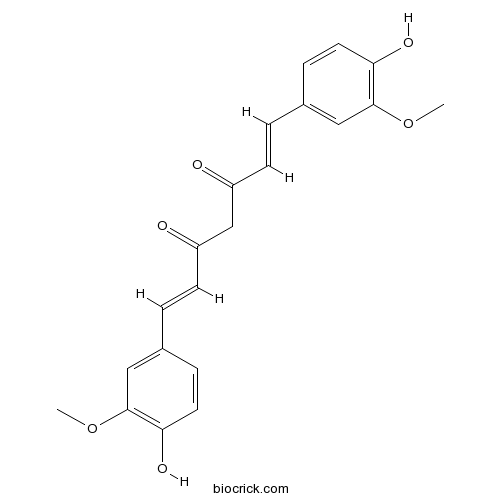
Curcumin
Curcumin (Diferuloylmethane), a natural phenolic compound, is a p300/CREB-binding protein-specific inhibitor of acetyltransferase, represses the acetylation of histone/nonhistone proteins and histone acetyltransferase-dependent chromatin transcription. Curcumin shows inhibitory effects on NF-κB and MAPKs, and has diverse pharmacologic effects including anti-inflammatory, antioxidant, antiproliferative and antiangiogenic activities.
-
BCC4776
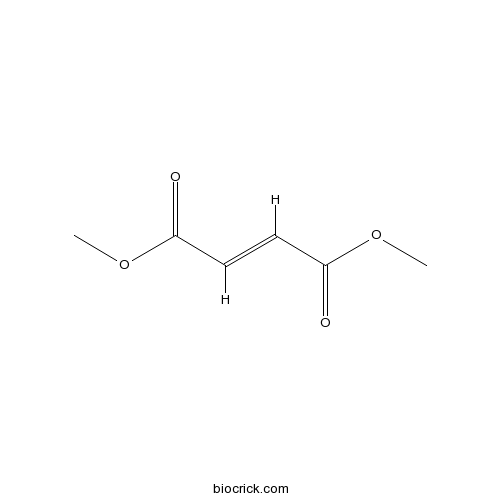
Dimethyl Fumarate
Dimethyl fumarate is a nuclear factor (erythroid-derived)-like 2 (Nrf2) pathway activator and induces upregulation of antioxidant gene expression.
-
BCC7941
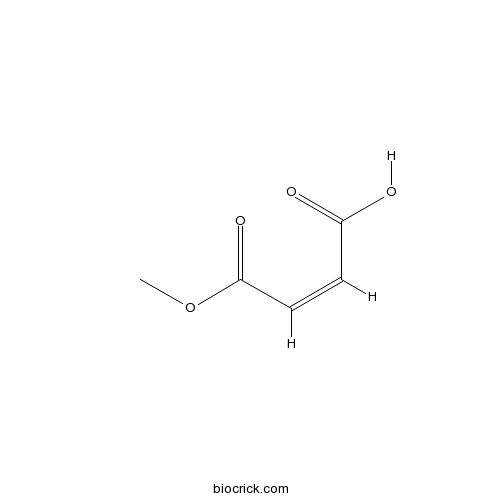
MMF
Monomethyl fumarate, an active metabolite of Dimethyl fumarate (DMF), is a potent GPR109A agonist. Monomethyl fumarate has the potential for multiple neuroprotective pathways and other models of retinal disease.
-
BCC6295
TAT 14
1362661-34-4

-
BCN2691
L-Arginine
L-Arginine is the nitrogen donor for synthesis of nitric oxide, a potent vasodilator that is deficient during times of sickle cell crisis.

-
BCC6762
N-Acetyl-N-acetoxy-4-chlorobenzenesulfonamide
142867-52-5

-
BCC5108
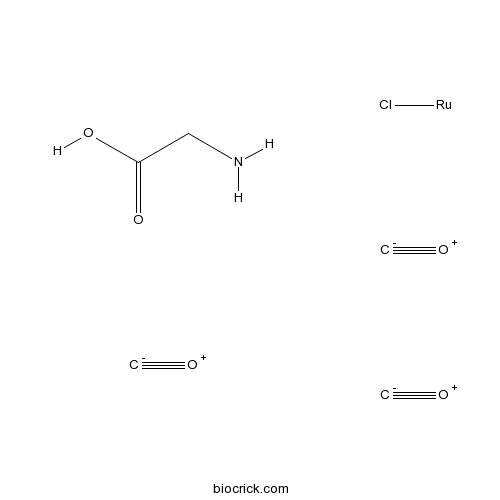
CORM-3
CORM-3, a water-soluble carbon monoxide-releasing molecule, attenuates NF-κB p65 nuclear translocation, reduces ROS generation and enhances intracellular glutathione and superoxide dismutase levels. CORM-3 reduces NLRP3 inflammasome activation.
-
BCC5670
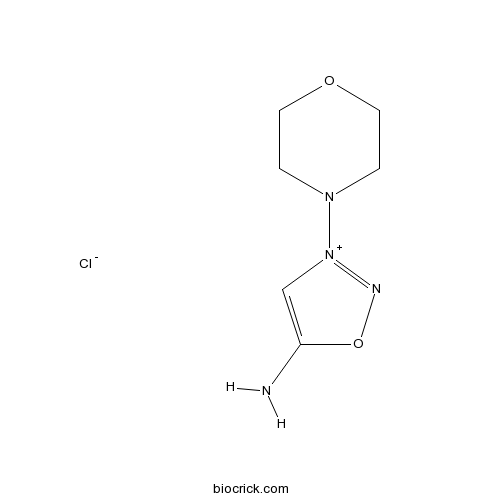
SIN-1 chloride
16142-27-1