Immune Cell Signaling
Immune cells are functionally regulated by key signaling pathways, which mediate immune function by enabling a response to various stimuli. This response must be carefully moderated in order to avoid hyperresponsiveness or inadequacy in the presence of foreign antigens.
Immune Cell Signaling Products Targets
Products for Immune Cell Signaling
- Cat.No. Product Name Information/Activity
-
BCC6795
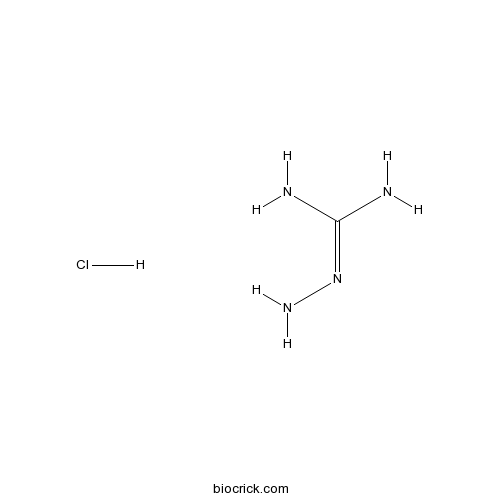
Aminoguanidine hydrochloride
Aminoguanidine hydrochloride is a diamine oxidase and NO synthase inhibitor, reduces levels of advanced glycation end products (AGEs) through interacting with 3-deoxyglucosone, is an investigational drug for the treatment of diabetic nephropathy.
-
BCC6823
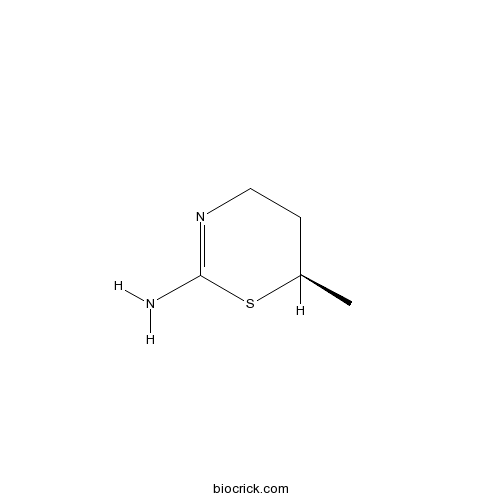
AMT hydrochloride
21463-31-0
-
BCC6092
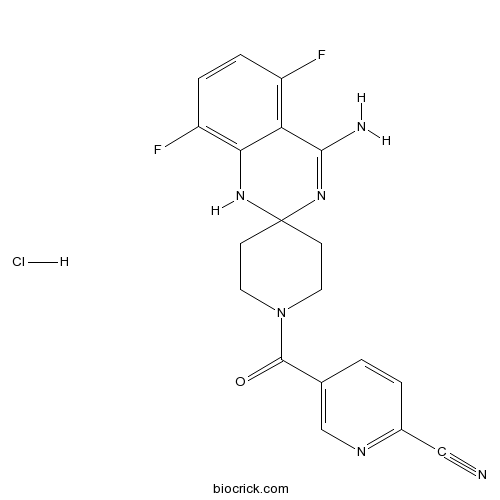
AR-C 102222
253771-21-0
-
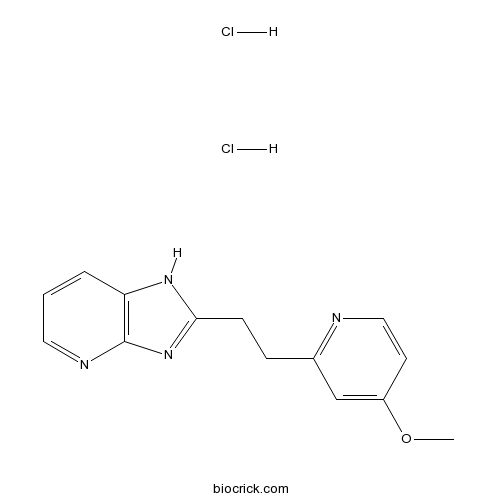
BCC7506
BYK 191023 dihydrochloride
Potent and selective inhibitor of iNOS
-
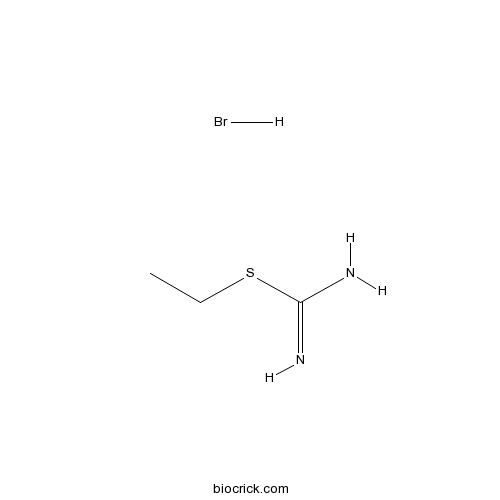
BCC6824
EIT hydrobromide
1071-37-0
-
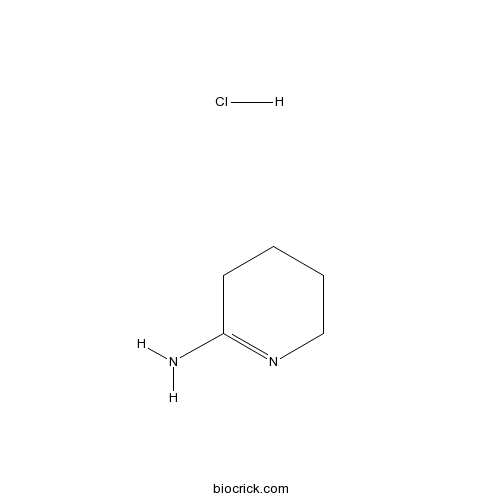
BCC6862
2-Iminopiperidine hydrochloride
16011-96-4
-
BCC6837
S-Isopropylisothiourea hydrobromide
4269-97-0

-
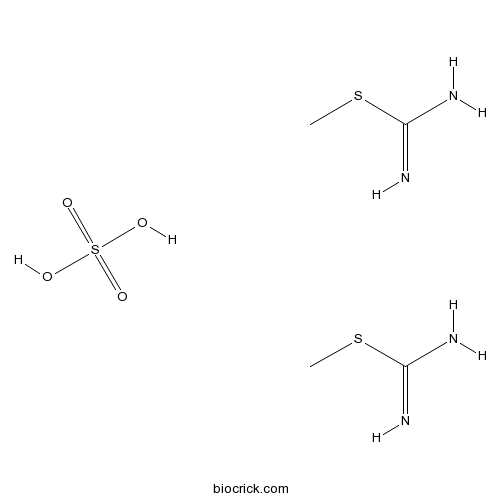
BCC6791
(S)-Methylisothiourea sulfate
867-44-7
-
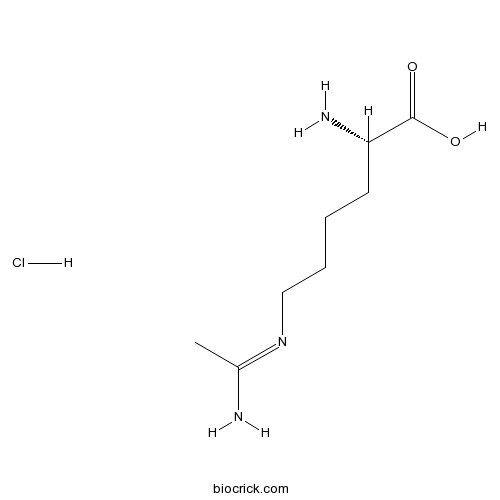
BCC5706
L-NIL hydrochloride
150403-89-7
-
BCC6689
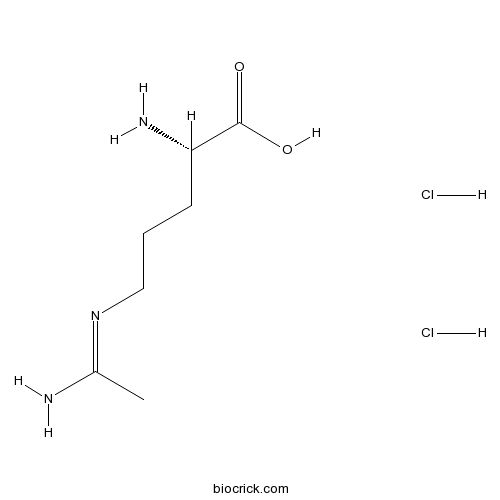
L-NIO dihydrochloride
L-NIO dihydrochloride is a potent, non-selective and NADPH-dependent nitric oxide synthase (NOS) inhibitor, with Kis of 1.7, 3.9, 3.9 μM for neuronal (nNOS), endothelial (eNOS), and inducible (iNOS), respectively. L-NIO dihydrochloride induces a consistentfocal ischemic infarctin rats.