Neuroscience Research
Neuroscience is the study of the nervous system - one of the major mammalian systems responsible for sustaining life. The central nervous system (CNS) and peripheral nervous system (PNS) work in concert to coordinate basic functions such as moving and breathing, as well as 'higher order' functions including thought, speech and emotion.
Neuroscience Research Products Areas
- Stress and Anxiety Research (392)
- Nociception (957)
- Neurotransmission (892)
- Neuropeptides (43)
- Neural Development (795)
- Memory, Learning and Cognition (746)
- Blood-Brain Barrier (119)
- Stroke Research (665)
- Sleep Research (267)
- Schizophrenia Research (709)
- Parkinson's Disease Research (752)
- Huntington's Disease Research (465)
- Epilepsy Research (560)
- Depression Research (631)
- Alzheimer's Disease Research (399)
- Addiction Research (509)
- Multiple Sclerosis (419)
Products for Neuroscience Research - Page 152
- Cat.No. Product Name Information/Activity
-
BCC7350
SNAP 5089
157066-77-8

-
BCC5044
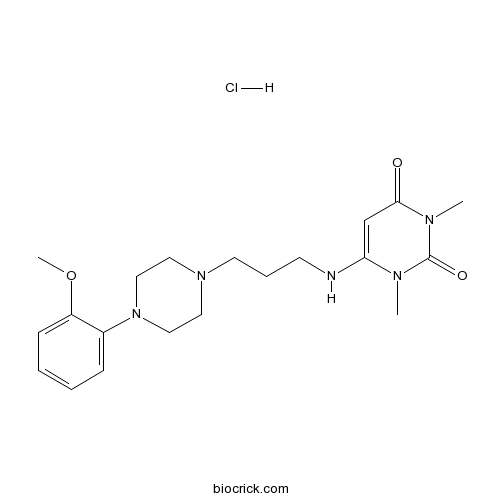
Urapidil HCl
Urapidil HCl is an α1-adrenoceptor antagonist and 5-HT1A receptor agonist.
-
BCC6858
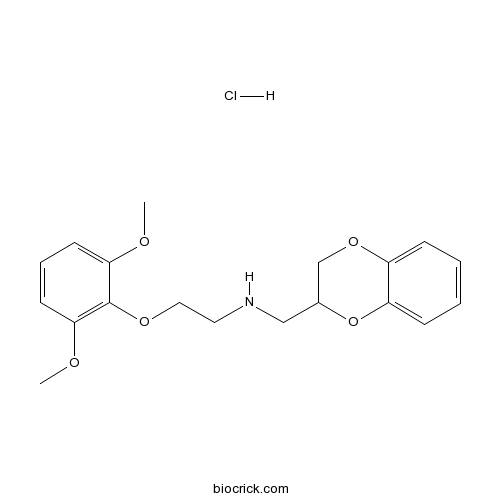
WB 4101 hydrochloride
2170-58-3
-
BCC6883
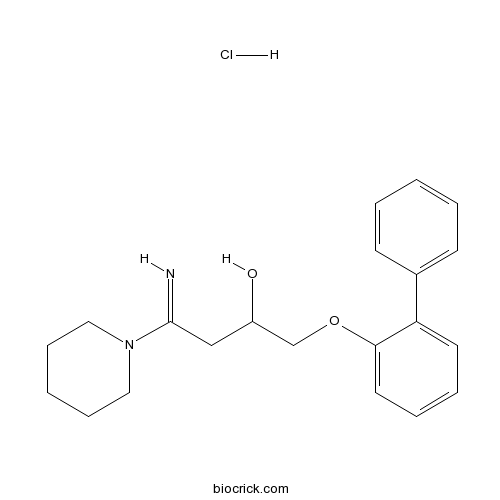
AH 11110 hydrochloride
179388-65-9
-
BCC6705
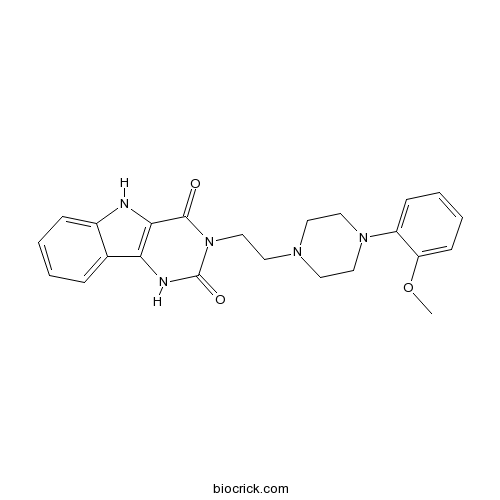
3-MPPI
133399-65-2
-
BCC7474
B-HT 933 dihydrochloride
36067-72-8

-
BCC4347
Dexmedetomidine HCl
Dexmedetomidine Hydrochloride is an agonist of adrenergic alpha-2 receptor, which is used in veterinary medicine for its analgesic and sedative properties.

-
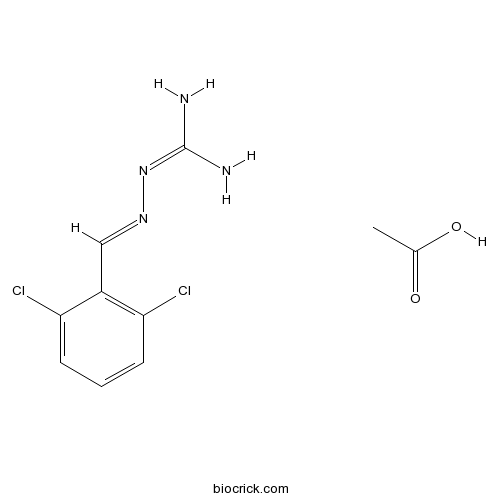
BCC4327
Guanabenz Acetate
Guanabenz (Acetate) (BR-750) is an alpha-2 selective adrenergic agonist used as an antihypertensive agent.
-
BCC1609
Guanfacine hydrochloride
Guanfacine hydrochloride, an anti-hypertensive agent, is a selective α2A-adrenoceptor agonist with Kd of 31 nM and displays 60-fold selectivity over α2B-adrenoceptors.

-
BCC4351
Medetomidine HCl
Medetomidine hydrochloride is an agonist of adrenergic alpha-2 receptor, which is used in veterinary medicine for its analgesic and sedative properties.